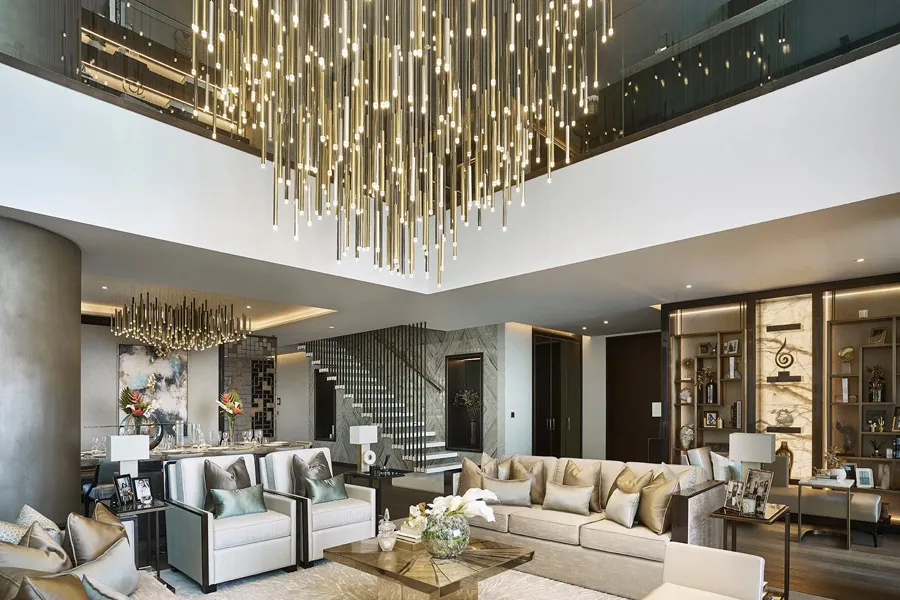

Lighting is more than a practical requirement in a home. The right lighting can make rooms feel larger, highlight important design features and create a comfortable atmosphere for everyday living.
A well-planned home normally uses different types of lighting together rather than relying on one bright light in the centre of each room.
Start With the Purpose of Each Room
Every room has different lighting requirements. A kitchen needs clear and functional lighting for food preparation, while a bedroom usually benefits from softer and warmer lighting.
Living rooms often require greater flexibility because the same space may be used for relaxing, entertaining guests, reading or watching television.
Before selecting fixtures, consider how the room will actually be used. This makes it easier to decide where lighting is required and how bright it should be.
Use Different Layers of Lighting
Interior lighting can generally be divided into three layers:
- Ambient lighting provides the main illumination for the room.
- Task lighting provides focused light for activities such as cooking, reading or working.
- Accent lighting highlights artwork, furniture, wall textures or architectural details.
Combining these layers gives a room more depth and makes the lighting more adaptable.
Consider Lighting During Interior Planning
Lighting works best when it is considered alongside the overall interior design rather than being selected after everything else is complete.
Furniture placement, ceiling design, wall finishes and natural daylight can all influence where fixtures should be installed.
Professional lighting design and installation services can help coordinate these elements so that lighting supports both the appearance and practical use of the space.
Choose Fixtures That Complement the Interior
Lighting fixtures are also part of the visual design of a room. Pendant lights can create a focal point over a dining table, while recessed lighting can provide a cleaner and more minimal appearance.
Wall lights, floor lamps and decorative fixtures can then be used to introduce additional character.
The objective should not be to use as many fixtures as possible. A smaller number of carefully positioned lights can often produce a better result.
Pay Attention to Colour Temperature
The colour of light has a significant effect on how a room feels.
Warmer lighting can create a relaxed atmosphere in bedrooms and living spaces, while neutral or cooler lighting may work better in areas where visibility and concentration are important.
Using appropriate colour temperatures throughout the home can also help maintain a consistent interior atmosphere.
Make Lighting Part of the Overall Design
Effective lighting should support the architecture, furniture and materials within a space rather than compete with them.
Planning lighting early allows homeowners and designers to balance function, comfort and appearance. The result is an interior that works well during the day and remains comfortable and visually appealing after dark.




















Sign in to leave a comment.