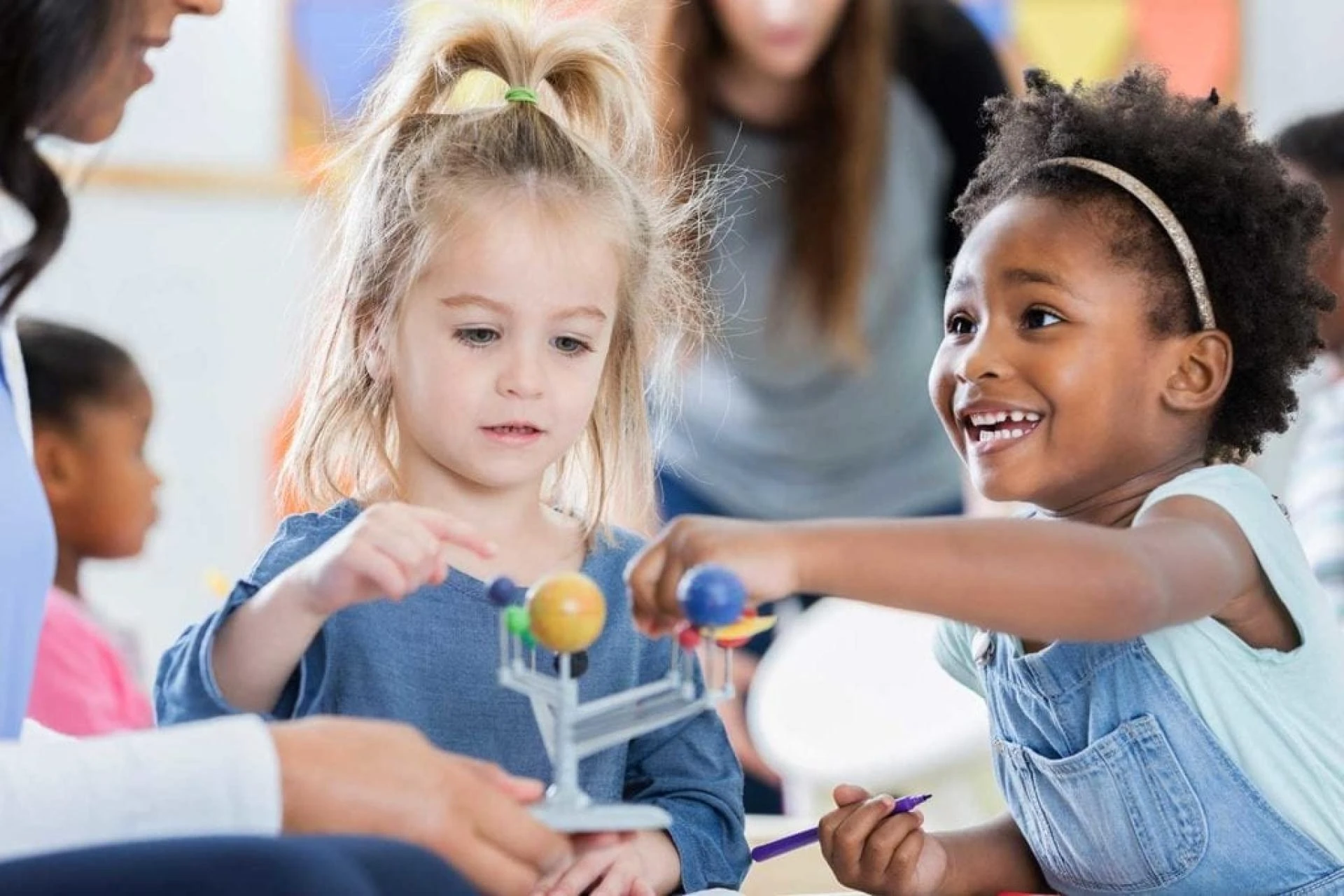
Group activities significantly enhance social skills in children by providing structured environments for practicing teamwork, communication, empathy, and conflict resolution. These activities encourage children to express ideas, listen to others, and use both verbal and non-verbal cues to communicate effectively.
For more insights on child development and engaging activities, check out our latest edition of Smarter Child Magazine – February 2025.
Key Benefits of Group Activities:
- Encourages Teamwork: Activities like building blocks and group art projects teach children to work together toward a common goal, share resources, and celebrate collective success.
- Enhances Communication Skills: Group activities encourage children to express their ideas, listen to others, and follow instructions, improving their ability to convey thoughts respectfully.
- Develops Empathy and Emotional Intelligence: Group play helps children observe their peers' feelings and reactions, which is essential for forming healthy relationships.
- Builds Confidence: Seeing their ideas valued and contributions leading to success instills a sense of accomplishment, encouraging more active participation in group settings.
- Teaches Conflict Resolution: Disagreements in group activities provide valuable learning moments, teaching children how to handle conflicts, negotiate, and find fair solutions.
- Promotes Inclusivity: Group activities teach children that everyone has something to contribute and that diverse perspectives can lead to more rewarding outcomes, fostering a sense of belonging and respect for differences.
Examples of Group Activities:
- Creative Arts Projects: Working together on murals, sculptures, or craft projects promotes teamwork and cooperation.
- Group Games: Games like musical chairs and team relay races encourage children to strategize and celebrate achievements together.
- Story Circle: Taking turns contributing to a group story helps children practice active listening and creative collaboration.
- Role-Playing: Role-playing activities help children understand different perspectives and practice empathy in various social scenarios.
- Building Projects: Constructing forts or building block towers requires teamwork, communication, and collective decision-making.
- Team Sports: Team sports teach kids how to work together toward a common goal and how to appropriately react to winning or losing.
- Community Gardening: Gardening with others teaches children responsibility and nurtures social competence.
- Scavenger Hunts: Children learn teamwork, organization, and positive decision-making by working together to find objects or a prize.


























Sign in to leave a comment.