
Introduction
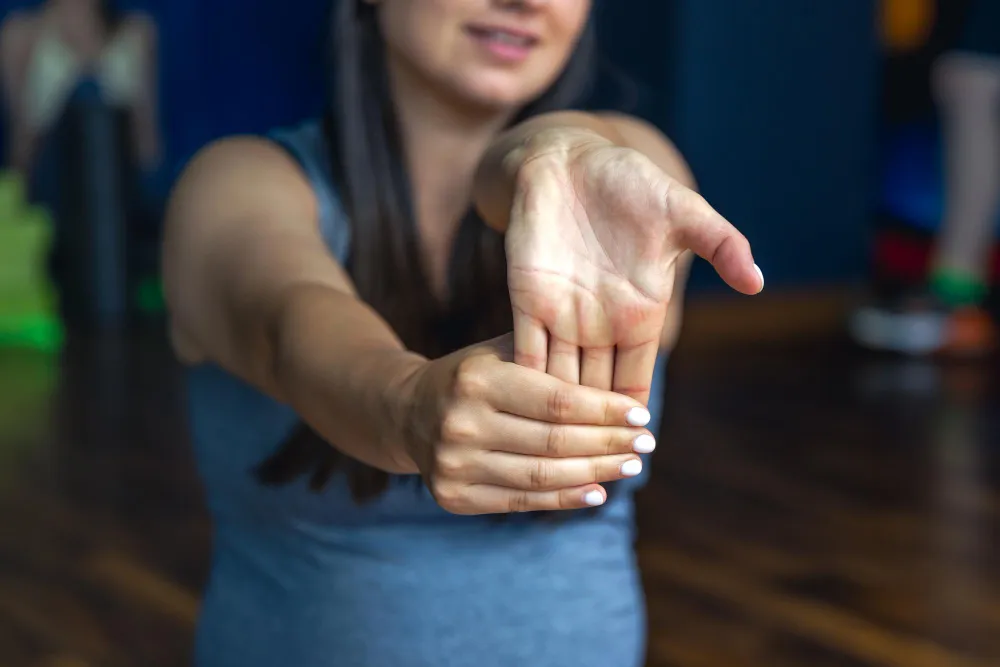
Hand strength plays a practical role in many tasks you perform without thinking about it. Opening a jar, carrying groceries, typing, turning a key or holding a coffee mug all require some combination of grip strength, finger control and wrist stability. Yet hand exercises are often overlooked in everyday fitness routines. Building these muscles can help you maintain better control and confidence during routine activities while supporting long-term hand function.
Why Hand Strength Matters In Daily Life
Hand strength is more than the ability to squeeze something tightly. It involves the coordinated use of the muscles in your fingers, hands, wrists and forearms.
Research has linked handgrip strength with functional abilities such as mobility and independence, particularly among older adults. A systematic review also found that hand-focused strength training can improve grip strength and manual dexterity in healthy adults.
This matters because everyday tasks often require both strength and precision. You may need to hold an object securely while also adjusting your fingers to control it.
Everyday Activities That Use Grip Strength
Many common activities place demands on your hands and forearms throughout the day. Strengthening these areas can help you approach such tasks with greater control.
Opening And Closing Containers
Twisting a jar lid or opening a tightly sealed bottle requires more than finger movement. Your hand needs to create enough force while your wrist provides stability.
Regular grip exercises can help you train the muscles involved in these movements. This can be particularly useful if you notice that certain household tasks feel unnecessarily difficult.
Carrying Bags And Household Items
Carrying groceries, laundry baskets or shopping bags requires sustained gripping rather than a single strong squeeze.
Training for endurance can help your hands tolerate repeated or prolonged gripping. Instead of focusing only on maximum force, include exercises where you hold a manageable level of resistance for a controlled period.
Using Tools And Everyday Objects
Scissors, gardening tools, kitchen utensils and basic hand tools all require different combinations of grip and finger control.
A balanced hand routine can help develop the ability to produce force while maintaining coordination. This is important because stronger hands are most useful when you can apply that strength accurately.
How To Add Hand Strength Training To Your Routine
Hand training does not need to take up a large part of your workout. Short, consistent sessions can be easier to maintain than occasional intensive workouts.
Try incorporating exercises such as:
- Controlled Squeezes: Squeeze a hand exerciser with steady pressure, then release slowly. Focus on controlled movement rather than simply squeezing as hard as possible.
- Timed Holds: Apply moderate resistance and maintain the position for several seconds. This can help develop grip endurance for activities that involve carrying or holding objects.
- Pinch Exercises: Use your thumb and fingers to apply controlled pressure. Pinch strength is useful for tasks that require precision such as holding small objects or turning pages.
- Finger Extensions: Work the muscles that open your fingers as well as those responsible for closing them. Balanced training can support overall hand control.
If you are new to hand training, begin with manageable resistance and focus on good technique. Increase the challenge gradually as the exercises become easier.
Choosing The Right Grip Training Approach
The best grip strengthener for you depends on your goals, current ability and how you prefer to train. A simple device may be enough for someone who wants basic resistance training while another person may benefit from measurable feedback.
Digital tools can add another layer by allowing you to track changes rather than relying only on how an exercise feels. For example, Squegg combines grip and pinch assessment with app-based tracking and interactive exercises. Its connected system is designed to help users assess, monitor and train hand strength.
The important point is to choose an approach you can use consistently. Tracking progress can also make gradual improvements easier to recognize.
Making Hand Training Part Of Your Day
Consistency is often easier when hand exercises are connected to routines you already follow. You could train for a few minutes after a workout, during a break from desk work or at another convenient time.
Keep the effort controlled and give your hands time to recover between challenging sessions. If you experience persistent pain, numbness or weakness, consider speaking with a qualified healthcare professional before continuing.
For people recovering from an injury or managing a hand-related condition, exercise selection and resistance should be guided by an appropriate professional. Hand therapists can assess your needs and recommend suitable exercises.
How Hand Training Can Support Long-Term Function
Hand strength is one part of maintaining physical function as you age. Studies have found associations between handgrip strength and activities of daily living, although grip strength should not be viewed as the only measure of overall health or independence.
A practical routine can therefore focus on more than maximum squeezing ability. Combining strength, endurance, finger control and coordination gives your hands a broader range of training.
Conclusion
Hand strength supports more everyday movements than you may realize, from carrying bags to opening containers and handling tools. A simple routine that develops grip, pinch strength, endurance and coordination can help you train the abilities your hands rely on throughout the day.
Start with manageable resistance, focus on controlled movements and build consistency over time. If you have an existing injury or ongoing symptoms, seek guidance from a qualified healthcare professional before starting a new hand-strengthening program.
Frequently Asked Questions
1. How Often Should You Train Your Grip?
For general fitness, short and consistent sessions can be a practical starting point. Your frequency should depend on the resistance used, your goals and how well your hands recover between sessions.
2. Can Grip Exercises Help With Everyday Tasks?
They can support the strength and control used in activities such as carrying objects, opening containers and handling tools. However, improvements vary between individuals and hand training should complement rather than replace broader physical activity.
3. Should Beginners Start With Heavy Resistance?
No. Beginners should generally start with resistance they can control comfortably. Building good movement habits before increasing resistance can make training more manageable and sustainable.
4. Can You Train Grip And Pinch Strength Together?
Yes. Grip and pinch exercises target different aspects of hand function. Including both can provide more varied training for the fingers, hand and forearm.
5. Are Digital Hand Strength Trainers Useful?
Digital trainers can provide measurable feedback that traditional resistance tools may not offer. Squegg, for example, connects to an app to assess and track grip and pinch strength while providing interactive training activities.





















Sign in to leave a comment.