
Health education plays an important role in helping people make informed decisions about their well-being and safety. Whether it focuses on nutrition, disease prevention, emergency response, or healthy lifestyle habits, health education provides knowledge that can improve quality of life. Individuals who understand how to recognize risks and respond appropriately are often better equipped to protect themselves and those around them.
The benefits of health education extend far beyond the individual learner. When more people understand important health and safety concepts, communities become stronger, safer, and more resilient. By promoting awareness, preparedness, and informed decision-making, health education contributes to healthier environments for everyone.
Encouraging Healthier Daily Habits
Health education often promotes habits that contribute to long-term wellness. Through educational programs, people learn about topics such as physical activity, balanced nutrition, sleep, stress management, and disease prevention. These lessons can have a positive impact on daily routines and overall lifestyle choices.
When individuals understand the importance of healthy behaviors, they are often more motivated to adopt them. Small changes made consistently over time can contribute to significant improvements in overall well-being. Education helps people recognize how their everyday decisions influence their long-term health.
These positive habits frequently extend to family members as well. Individuals who learn about healthy living often share information with loved ones, helping create healthier households and support systems.
Improving Emergency Preparedness
Health education also prepares individuals to respond effectively when unexpected situations occur. Emergencies can happen at home, at work, in schools, or in public places. Understanding how to recognize serious situations and take appropriate action can be invaluable during critical moments.
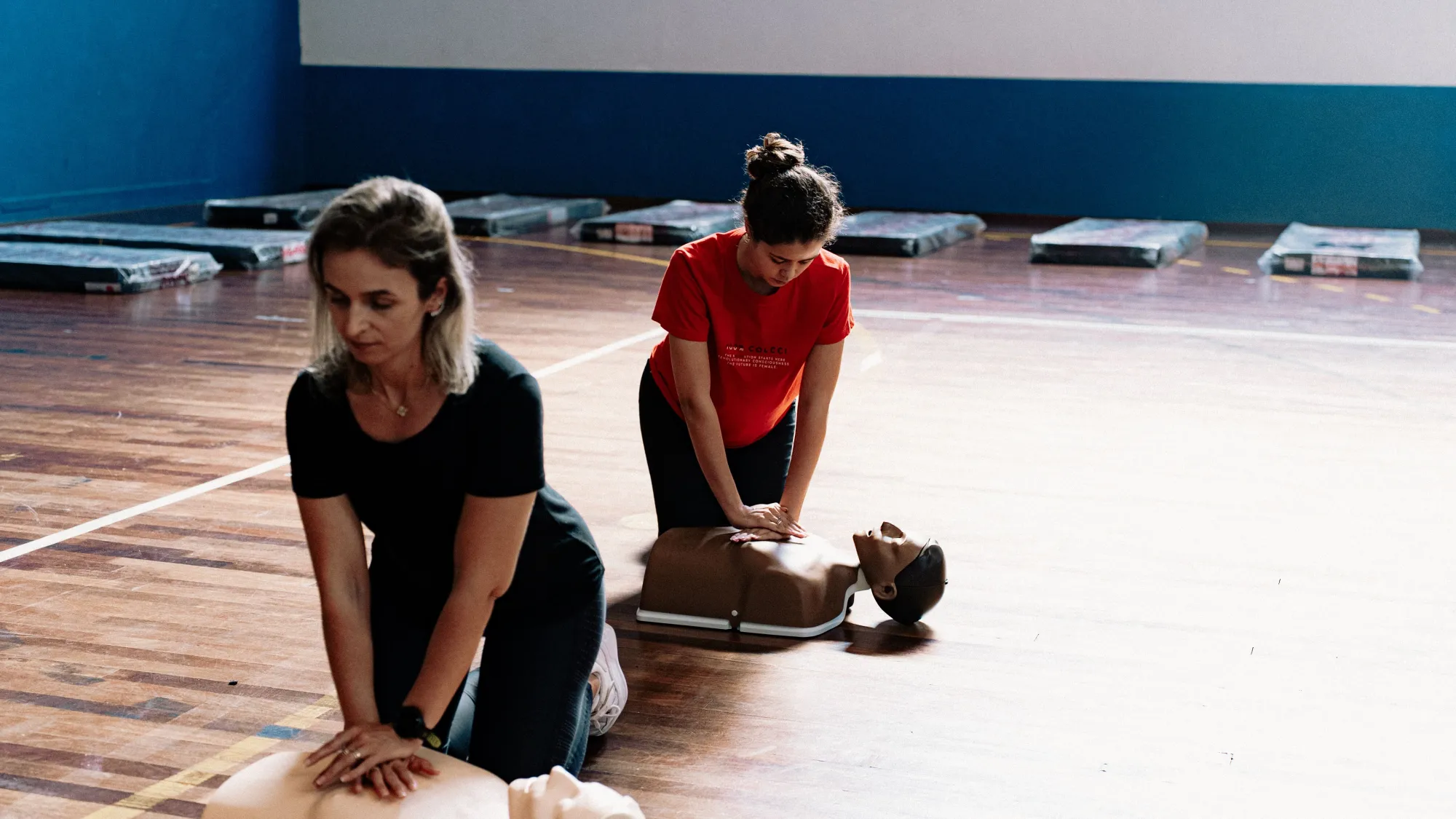
Many health education programs include emergency response training that teaches people how to remain calm and provide initial assistance. These skills can help bridge the gap between the onset of an emergency and the arrival of professional responders. Prepared individuals are often better able to respond quickly and confidently when circumstances demand it.
One example is CPR certification, which provides practical training that helps participants understand how to respond during certain medical emergencies. The knowledge gained through formal instruction can increase preparedness and provide valuable confidence when facing unexpected situations.
Strengthening Community Safety
Communities benefit significantly when health education is widely available. Individuals who possess health and safety knowledge contribute to a culture of preparedness and responsibility. As more people become educated on important topics, communities often experience greater overall resilience.
Health education can help residents recognize potential risks, respond appropriately during emergencies, and support one another during difficult situations. These collective efforts create safer environments where people feel more confident and informed. Communities that prioritize education often develop stronger support networks and improved public awareness.
The impact becomes especially noticeable during emergencies or public health challenges. Educated communities are often better equipped to communicate effectively, follow safety recommendations, and collaborate when assistance is needed.
Reducing the Spread of Misinformation
Access to accurate health information is increasingly important in today's fast-paced world. People are exposed to large amounts of information from a variety of sources, and not all of it is reliable. Health education helps individuals develop the knowledge needed to evaluate information more critically and make informed decisions.
Educational programs often emphasize evidence-based guidance and trusted resources. This helps people distinguish between factual information and misconceptions that could negatively affect health decisions. The ability to evaluate information carefully is a valuable skill in many aspects of life.
Reducing misinformation benefits entire communities. When individuals make decisions based on accurate knowledge, communities are often better positioned to promote health, safety, and overall well-being.
Encouraging Lifelong Learning
Health education is not limited to a single stage of life. New research, technologies, and best practices continue to shape our understanding of health and safety. Ongoing education allows individuals to stay informed and adapt to changing information throughout their lives.
Lifelong learning encourages curiosity and personal growth. People who continue expanding their knowledge often become more confident in managing health-related challenges and making informed decisions. This commitment to learning contributes to both personal development and community improvement.
Educational opportunities also help reinforce existing knowledge. Regular review and continued learning support long-term understanding and ensure that important information remains fresh and relevant.
Conclusion
Health education provides meaningful benefits for both individuals and communities by promoting knowledge, preparedness, and informed decision-making. Through education, people gain valuable skills that support healthier lifestyles, improve emergency readiness, and strengthen confidence in managing everyday challenges.
When communities prioritize health education, the positive effects extend far beyond individual learners. Safer neighborhoods, healthier workplaces, stronger support systems, and increased public awareness all contribute to a more resilient society. Investing in health education is ultimately an investment in the well-being and success of individuals, families, and entire communities.






























Sign in to leave a comment.