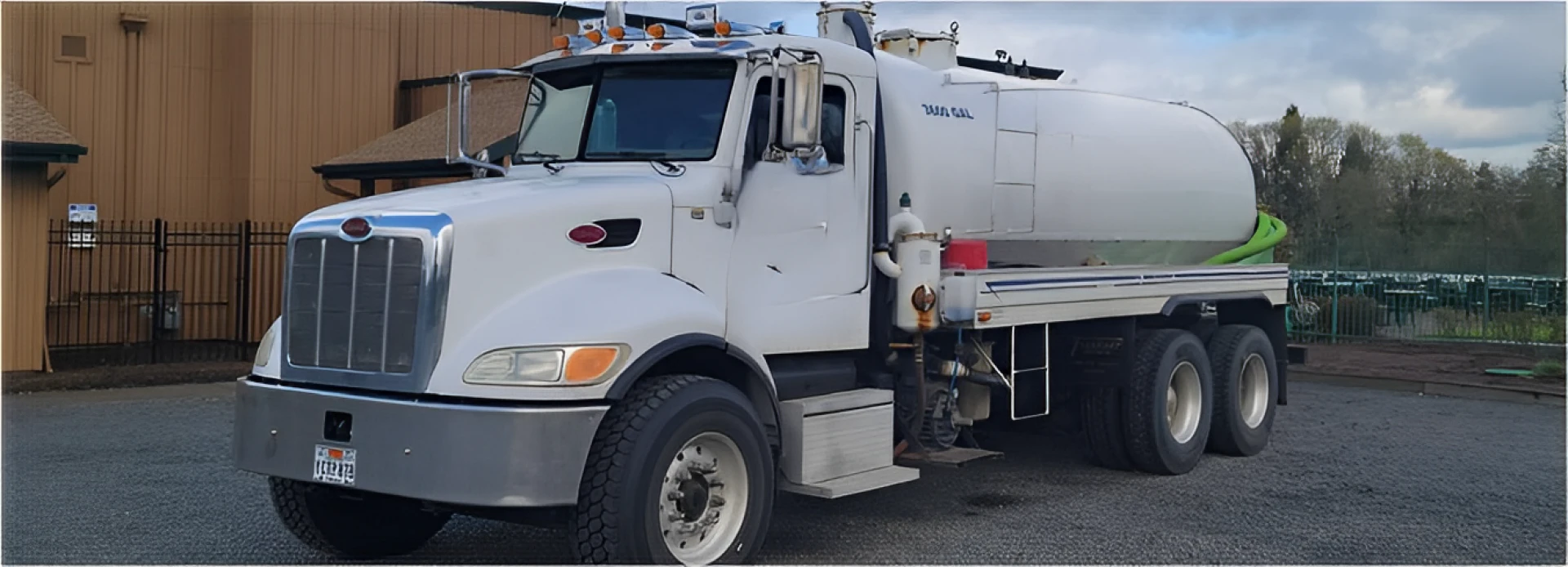
Heavy rainfall can cause problems for homeowners with septic systems. Excess water can overwhelm the system, leading to drainage issues and backups. Scheduling a professional septic system inspection in Benton County after a heavy storm can help prevent costly damage and ensure your system continues functioning properly.
Soil Saturation Can Cause Drainage Issues
When the ground becomes too saturated from heavy rain, the soil can’t absorb wastewater properly. This can lead to slow drains, standing water near the drain field, and potential system overload.
Risk of Sewage Backups
Excess rainwater can force wastewater back into your home instead of allowing it to drain properly. This may result in sewage backups in sinks, toilets, or bathtubs, creating an unsanitary and costly mess.
Increased Pressure on the Septic Tank
Heavy rainfall can put extra pressure on the septic tank, making it harder for solid waste to settle. If the system isn’t functioning properly, solids may flow into the drain field, leading to clogs and long-term damage.
Preventative Measures for Homeowners
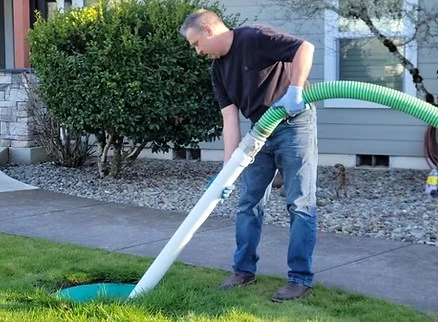
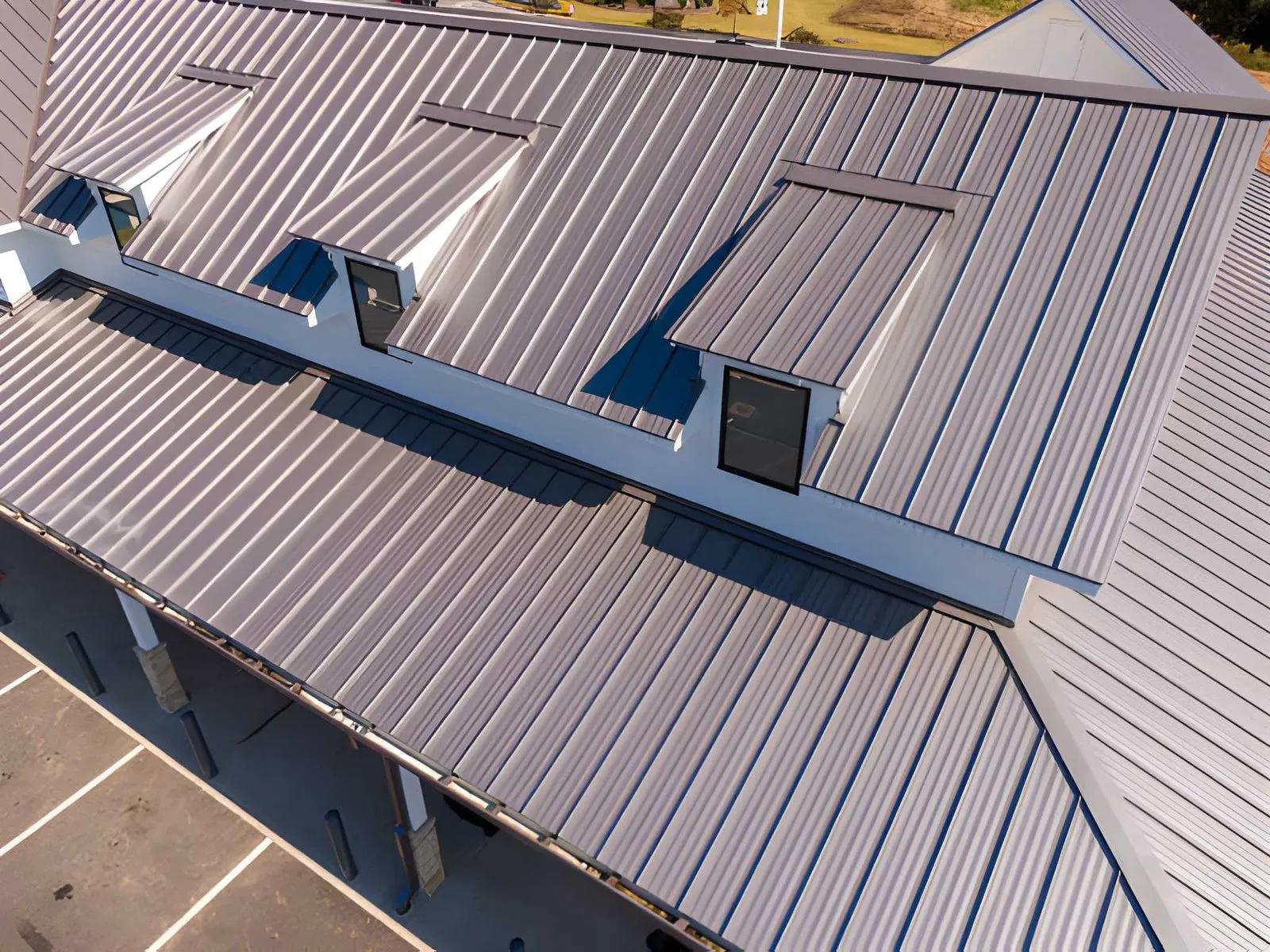
To minimize the impact of heavy rain, homeowners should ensure gutters and downspouts direct water away from the drain field. Regular inspections and pumping can also keep the system in top shape before extreme weather hits.
Understanding how heavy rainfall affects your septic system can help you take preventive steps to avoid serious issues. Routine maintenance and timely inspections ensure your system remains functional, even in wet conditions.

























Sign in to leave a comment.