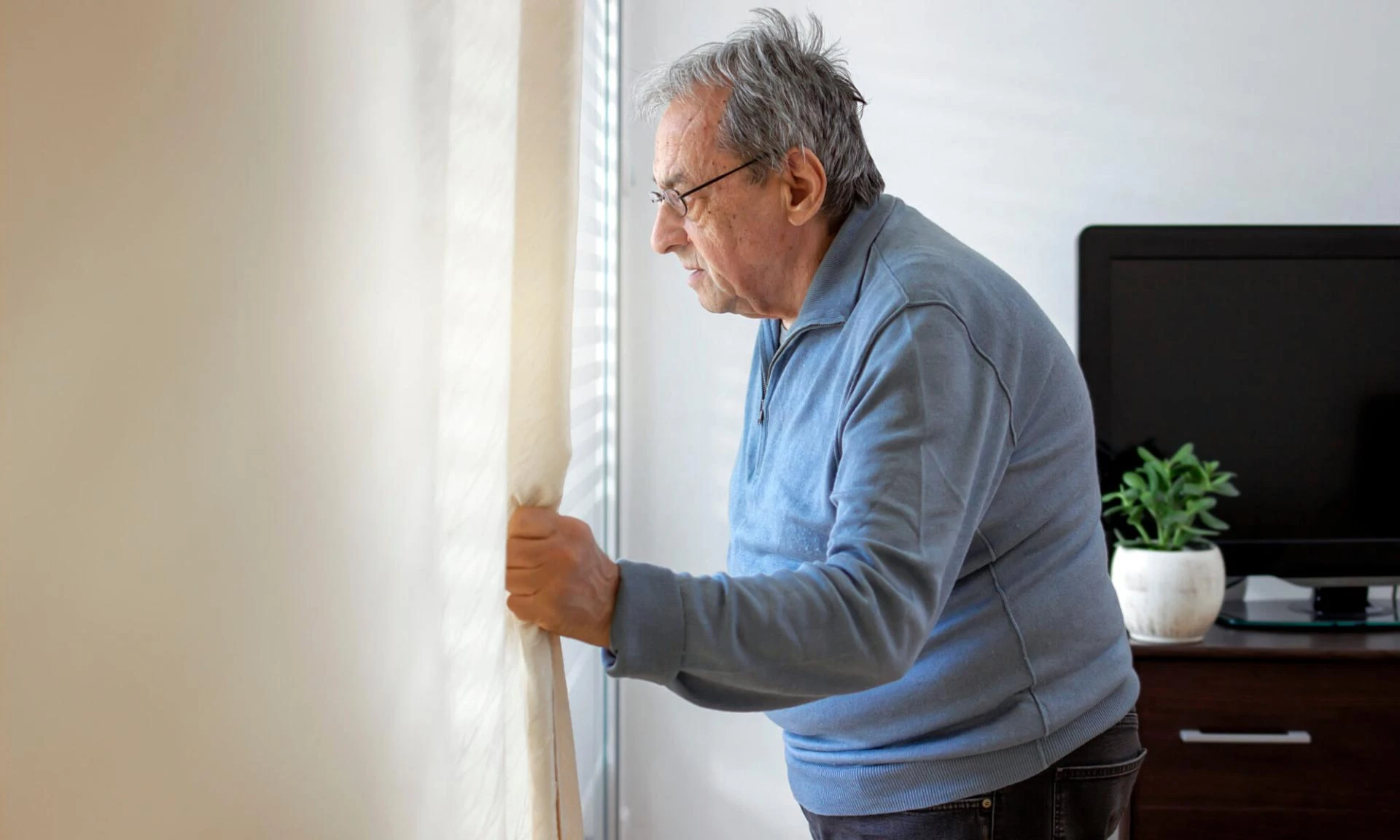

Recovering from surgery can be a challenging experience, especially for seniors. Even routine procedures may require weeks or months of recovery, during which mobility, strength, and daily functioning can be significantly limited. For many older adults, returning home after surgery is preferred over staying in a hospital or rehabilitation facility. However, recovery at home often requires additional support to ensure safety and proper healing. This is where professional services like home care Arlington play an essential role, helping seniors regain their independence while receiving the care they need in a familiar and comfortable environment.
Home care after surgery provides a balance between assistance and independence, allowing seniors to recover with dignity and confidence.
Understanding Post-Surgery Challenges for Seniors
Seniors often face unique challenges during recovery due to age-related changes in the body. Healing may take longer, and there is an increased risk of complications.
Common post-surgery challenges include:
- Limited mobility and difficulty walking
- Pain and discomfort
- Risk of infections
- Fatigue and low energy levels
- Difficulty performing daily tasks
- Managing medications and follow-up care
These challenges make it important to have proper support during the recovery period.
The Importance of a Safe Recovery Environment
A safe and supportive home environment is essential for post-surgery recovery. Seniors may be at higher risk of falls or injuries due to weakness or limited mobility.
Home caregivers help create a safe environment by:
- Removing tripping hazards
- Assisting with movement around the house
- Ensuring proper lighting
- Helping with the use of mobility aids
- Monitoring for signs of discomfort or complications
A safe environment allows seniors to focus on healing without unnecessary risks.
Assistance with Daily Activities
After surgery, even basic daily tasks can become difficult. Activities such as bathing, dressing, or preparing meals may require assistance.
Caregivers provide support with:
- Personal hygiene and grooming
- Dressing and mobility
- Meal preparation
- Light housekeeping
- Running errands
This assistance helps seniors maintain their routines while focusing on recovery.
Medication Management and Monitoring
Proper medication management is critical after surgery. Seniors may be prescribed pain medications, antibiotics, or other treatments that must be taken correctly.
Caregivers assist by:
- Providing medication reminders
- Ensuring correct dosages
- Monitoring for side effects
- Keeping track of medication schedules
This reduces the risk of complications and ensures a smoother recovery process.
Supporting Mobility and Physical Therapy
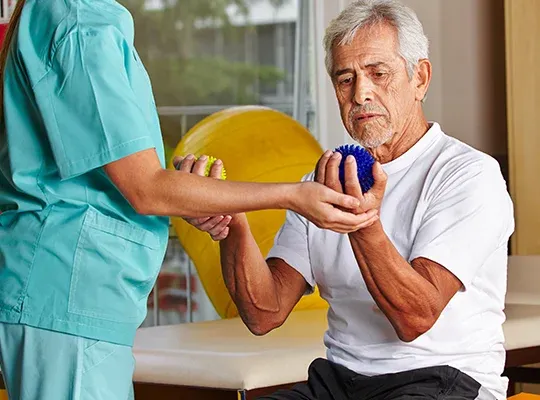
Regaining mobility is a key part of post-surgery recovery. Many seniors require physical therapy or guided exercises to rebuild strength and flexibility.
Home caregivers help by:
- Assisting with safe movement and walking
- Supporting prescribed exercises
- Encouraging gradual activity
- Preventing overexertion
This support helps seniors regain strength while minimizing the risk of injury.
Encouraging Proper Nutrition and Hydration
Nutrition plays a vital role in healing after surgery. A balanced diet helps the body repair tissues, fight infections, and regain energy.
Caregivers support recovery by:
- Preparing nutritious meals
- Ensuring adequate hydration
- Following dietary guidelines provided by healthcare professionals
- Monitoring food intake
Proper nutrition accelerates healing and improves overall recovery outcomes.
Emotional Support During Recovery
Recovering from surgery can be emotionally challenging. Seniors may feel frustrated by their temporary loss of independence or anxious about their recovery progress.
Caregivers provide emotional support by:
- Offering companionship
- Encouraging positive thinking
- Listening to concerns
- Providing reassurance
This emotional support helps seniors stay motivated and maintain a positive outlook.
Reducing Hospital Readmissions
One of the goals of post-surgery home care is to prevent hospital readmissions. Without proper care, complications such as infections or medication errors can occur.
Home care helps reduce these risks by:
- Monitoring for warning signs
- Ensuring proper medication use
- Supporting follow-up care
- Maintaining a clean and safe environment
This proactive approach helps seniors recover successfully at home.
Supporting Follow-Up Appointments
Post-surgery care often includes follow-up visits with doctors or specialists. Transportation and coordination can be challenging for seniors.
Caregivers assist with:
- Scheduling appointments
- Providing transportation
- Accompanying seniors to medical visits
- Communicating with healthcare providers
This ensures seniors receive ongoing care and monitoring throughout their recovery.
Promoting Gradual Independence
While assistance is important, maintaining independence is equally essential for a senior’s confidence and well-being. Home care focuses on encouraging seniors to regain their abilities at their own pace.
Caregivers promote independence by:
- Encouraging participation in daily tasks
- Gradually reducing assistance as recovery improves
- Supporting decision-making
- Respecting personal preferences
This approach helps seniors regain control over their lives.
Supporting Family Members
Family members often take on caregiving roles after a loved one’s surgery. However, balancing caregiving with other responsibilities can be overwhelming.
Home care services support families by:
- Sharing caregiving duties
- Providing professional expertise
- Offering respite care
- Reducing stress and burnout
This allows families to focus on emotional support rather than handling every aspect of care.
Flexible Care Based on Recovery Needs
Every surgery and recovery process is different. Home care services offer flexible support that can be adjusted based on the senior’s progress.
Care may include:
- Short-term intensive support immediately after surgery
- Gradual reduction in services as recovery improves
- Additional assistance if complications arise
This flexibility ensures seniors receive the right level of care at every stage of recovery.
Final Thoughts
Recovering from surgery can be a challenging journey for seniors, but with the right support, it can also be a smooth and successful process. Home care provides the assistance, safety, and encouragement needed to help seniors heal while maintaining their independence.
By offering personalized care, emotional support, and practical assistance, home care services play a vital role in post-surgery recovery. Many families trust services like Arlington home care to provide reliable, compassionate care that helps seniors regain strength and confidence in the comfort of their own homes.
With proper care and support, seniors can recover safely, regain independence, and return to their normal routines with confidence.
























Sign in to leave a comment.