

Buying a home is one of the most exciting milestones in life. You picture yourself decorating rooms, hosting gatherings, and making memories. Yet behind that excitement is a big investment and a lot of unknowns. What if hidden problems lurk beneath the surface—like a leaky roof, faulty wiring, or mold in the walls? That’s where home inspections step in. They act like a trusted guide, helping buyers see what might otherwise go unnoticed. In this article, we’ll explore how home inspections protect buyers, giving you confidence, negotiating power, and peace of mind. Whether you’re a first-time buyer or an experienced homeowner, understanding the inspection process can save you time, money, and stress.
What Is a Home Inspection?
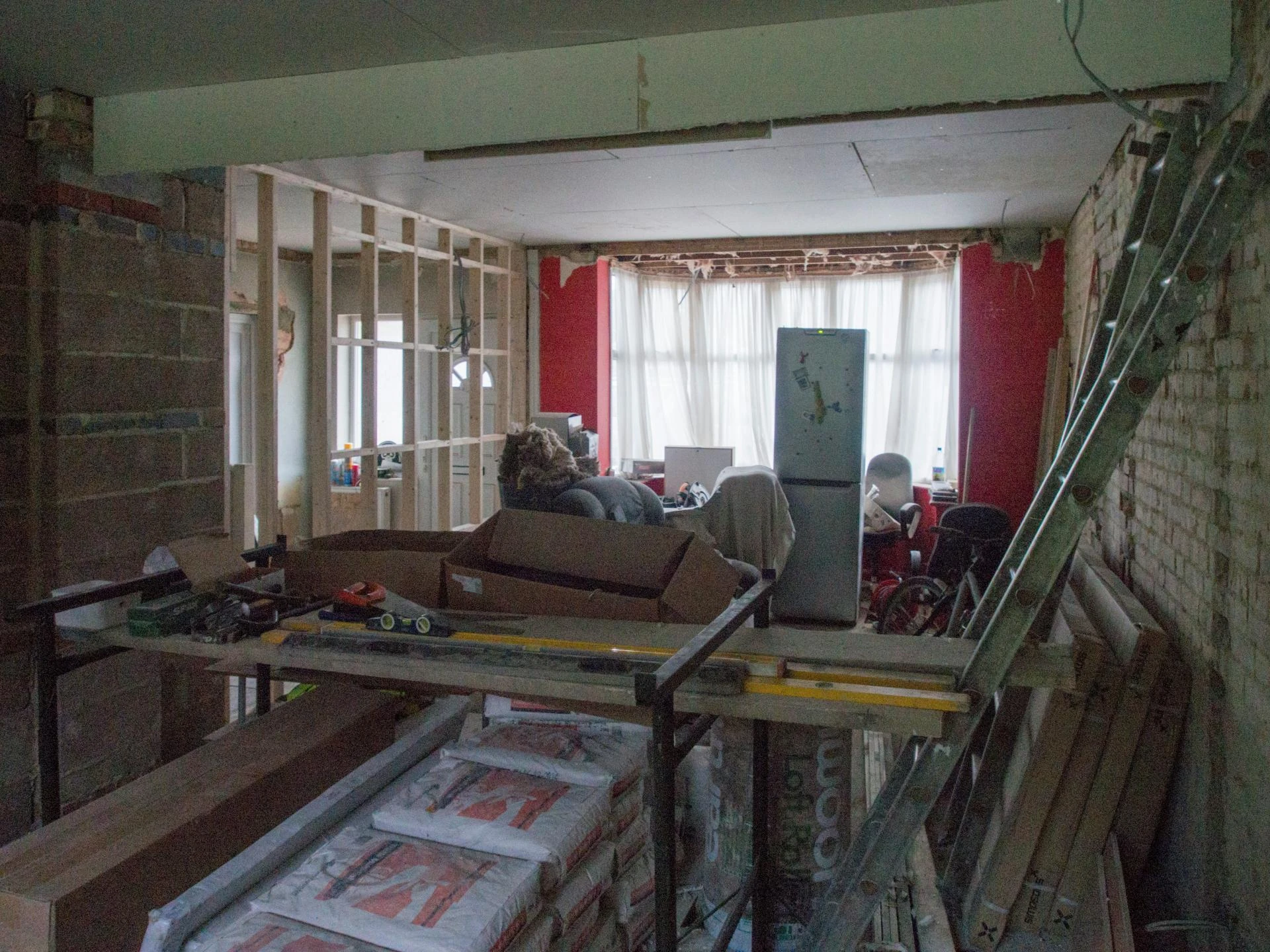
A home inspection is a thorough, visual examination of a property’s major systems and components. An experienced inspector walks through each area—inside and out—looking for signs of wear, damage, or safety concerns. They’ll check the foundation, roof, plumbing, electrical, heating and cooling systems, and more. Unlike a quick walk-through during an open house, a proper inspection lasts a few hours and follows a standardized checklist. At the end, buyers receive a detailed report that outlines any issues found, along with photographs and recommendations. This report becomes a powerful tool for making informed decisions about the purchase.
Why Home Inspections Matter for Buyers
Buying a house is more than signing papers and handing over a check. It’s a decision that can affect your finances and well-being for years to come. Home inspections protect buyers in several key ways:
- Uncover Hidden Issues: Not all problems are obvious at first glance. An inspection can reveal hidden damage, such as dry rot behind siding or worn plumbing pipes inside walls.
- Negotiate with Confidence: Armed with inspection findings, buyers can ask sellers to make repairs, offer credits, or adjust the sale price to reflect needed fixes.
- Plan Future Maintenance: Knowing the age and condition of systems like the water heater or HVAC unit helps buyers budget for replacements down the road.
- Ensure Safety: Inspectors spot hazards like electrical outlets without proper grounding or mold in damp areas, protecting your family’s health and safety.
By shining a light on these factors, home inspections reduce guesswork and empower buyers to negotiate and plan wisely.
The Home Inspection Process
A typical inspection follows a step-by-step approach:
- Scheduling: After your offer is accepted, you schedule an inspection—usually within 5 to 10 days.
- Walkthrough with Inspector: Many inspectors encourage buyers to join, offering a chance to ask questions on the spot.
- Visual Examination: The inspector surveys interior and exterior components, from the attic to the basement.
- Documentation: Notes, photos, and measurements are recorded for the final report.
- Report Delivery: Within 24 to 48 hours, you receive a digital report outlining observations and recommendations.
Understanding each phase helps buyers feel prepared and engaged. Being present during the inspection offers hands-on learning about the home you hope to own.
Scheduling and Preparation
Buyers typically schedule the inspection as a contingency in their purchase offer. It’s wise to be flexible with times, as inspectors often fill their calendars quickly. Before the inspection, clear access to mechanical areas and ensure utilities (water, gas, electricity) are on.
Inspector Qualifications
Look for a licensed or certified professional who follows recognized standards of practice. Membership in national organizations, like the American Society of Home Inspectors (ASHI), indicates commitment to quality. Reading online reviews and asking for referrals can help you choose a reputable inspector. Clear View Property Inspections, for example, employs certified inspectors who stay current on building codes and industry best practices.
Typical Areas Inspected
During a home inspection, the following major systems receive attention:
Foundation and Structure
Inspectors check for cracks in the foundation, uneven floors, and signs of settling that could indicate structural concerns.
Roof and Attic
They examine shingles, flashing, gutters, and ventilation. In the attic, they look for proper insulation and moisture intrusion.
Exterior Surfaces
Siding, trim, windows, and doors are evaluated for damage, rot, or pest activity.
Plumbing System
Water supply lines, drain pipes, water heater functionality, and visible leaks are inspected.
Electrical System
Inspectors test outlets, light switches, breaker panels, and grounding to ensure safe operation.
Heating and Cooling
Furnaces, air conditioners, heat pumps, ductwork, and thermostats are reviewed for age and performance.
Interior Elements
Walls, ceilings, floors, stairs, and railings are assessed for damage, safety, and wear.
Insulation and Ventilation
Proper insulation levels and ventilation help maintain energy efficiency and indoor air quality.
Built-In Appliances
Connected appliances like dishwashers, ovens, and garbage disposals receive a basic functional test.
This comprehensive approach ensures buyers gain a full picture of the property’s condition.
How Inspections Empower Negotiations
One of the most compelling ways home inspections protect buyers is by strengthening negotiating power. When the report reveals issues, buyers can:
- Request the seller to complete repairs before closing.
- Ask for credits or price reductions instead of repairs.
- Walk away if serious, undisclosed defects exist (when protected by inspection contingency).
Knowing the cost of repairs—whether a $500 water heater replacement or a $5,000 roof repair—helps buyers propose fair adjustments. Sellers appreciate transparent discussions backed by professional findings. This collaborative stance often leads to smoother transactions and fair outcomes for both parties.
Building Confidence and Peace of Mind
Imagine moving into a new home only to discover major problems after closing. Unexpected repair bills can strain budgets and dampen excitement. Home inspections protect buyers by minimizing surprises. Even when issues arise, knowing them upfront allows for planning. A well-maintained home with documented inspections also boosts resale value. Buyers who invest in inspections often sleep better at night, confident they understand what they’re getting.
Planning for the Future
Beyond immediate negotiations, inspection reports serve as maintenance roadmaps. They typically note the remaining life expectancy of major systems. For instance, a furnace nearing 15 years of age might need replacement within a few seasons. Buyers can use this information to:
- Budget for upcoming repairs or upgrades.
- Schedule preventive maintenance to extend system life.
- Prioritize projects based on urgency and cost.
This proactive approach saves money over time and prevents small issues from becoming big headaches.
Safety First: Protecting Health and Well-Being
Safety concerns rank high among inspection priorities. Inspectors identify potential hazards such as:
- Ungrounded or overloaded electrical circuits.
- Gas leaks or carbon monoxide risks.
- Mold or moisture leading to poor indoor air quality.
- Structural issues that could compromise stability.
Addressing these items before moving in ensures a healthy environment for families, pets, and guests.
Choosing the Right Inspector
Not all inspectors deliver the same level of service. To find the right professional:
Verify Credentials
Check licensing requirements in your state and look for certifications from reputable associations.
Review Sample Reports
A clear, photo-rich report with easy-to-understand language reflects quality work.
Ask About Experience
Inspectors familiar with local building styles and common area issues bring added value.
Read Reviews and Get Referrals
Word-of-mouth and online feedback offer insights into responsiveness and thoroughness.
Partnering with a trusted firm—such as Clear View Property Inspections—ensures you receive accurate, actionable information.
Maximizing Buyer Participation
Being an active participant enhances the inspection experience. Buyers should:
- Attend the inspection walkthrough.
- Ask questions about maintenance tips and system operations.
- Take notes and photos for future reference.
Learning about your home directly from the inspector builds confidence and empowers ongoing stewardship of the property.
Frequently Asked Questions
How long does a home inspection take?
Most residential inspections last two to four hours, depending on property size and complexity.
Do I have to be present?
It’s highly recommended. You’ll learn about maintenance needs and can ask questions in real time.
What isn’t covered?
Inspections focus on visible, accessible areas. They don’t include sewer scopes, termite inspections, or code compliance checks.
Can I negotiate based on minor issues?
Yes. Even small repairs, like a leaky faucet, can be reflected in the final agreement or repair addendum.
Conclusion
Home inspections are more than a formality—they are a buyer’s best defense against hidden problems and unforeseen costs. By uncovering issues, guiding negotiations, and providing a roadmap for maintenance, inspections deliver confidence and peace of mind. Partnering with a reputable company like Clear View Property Inspections ensures you receive a detailed, professional evaluation. With the right inspector by your side, you can move forward knowing exactly what you’re buying, how to protect your investment, and how to enjoy your new home to the fullest.
































Sign in to leave a comment.