
Radon is a colorless, odorless, and tasteless gas that occurs naturally in the environment, making it incredibly difficult to detect without specialized equipment. However, radon exposure is a serious health risk and is the second leading cause of lung cancer in the United States, following smoking. For homeowners and potential buyers, understanding how home inspectors detect radon and why it’s essential to care about its presence is crucial for both health and safety.
In this comprehensive guide, we’ll dive into the process of radon detection by home inspectors, the health risks associated with radon, and the steps you can take to mitigate the dangers of exposure. Let’s explore how home inspectors help identify this invisible threat and why addressing radon levels in your home is a matter of great importance.
1. What is Radon?
Radon is a radioactive gas that is produced when uranium, thorium, and radium break down in rocks, soil, and groundwater. It can infiltrate homes through cracks in the foundation, gaps around windows and doors, or other openings. Since radon is invisible and odorless, it poses a significant health risk without proper detection.
2. How Radon Enters Your Home
Radon gas enters homes primarily through cracks and openings in the foundation. This includes:
- Cracks in basement floors and walls
- Gaps in floor drains
- Spaces around service pipes
- Unsealed crawlspaces
If your home is built on or near bedrock, particularly in areas with a high concentration of uranium and radium, the likelihood of radon infiltration is higher.
3. Why Radon Detection is Critical
Radon exposure is responsible for an estimated 21,000 deaths in the United States annually, primarily due to lung cancer. The problem is even more concerning for non-smokers, as radon exposure increases the risk of lung cancer significantly. Homeowners often don’t realize the gas is present until it reaches dangerous levels, which is why radon testing is crucial.
4. The Role of Home Inspectors in Detecting Radon
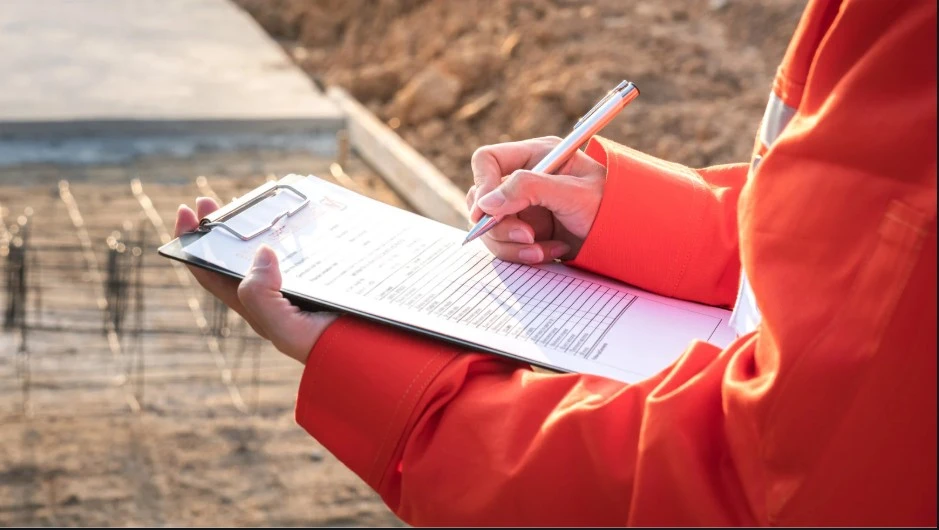
Home inspectors are trained professionals who can perform radon testing during a routine home inspection or as a stand-alone service. These inspectors use specialized equipment to measure radon concentrations in your home, determining whether levels exceed safe limits set by health organizations like the Environmental Protection Agency (EPA).
5. How Home Inspectors Test for Radon
There are two main methods used by home inspectors to detect radon:
- Short-term Testing: This method involves placing a radon test device in the home for a period of 2 to 7 days. Short-term testing is useful for quickly identifying elevated radon levels.
- Long-term Testing: This test runs for over 90 days and provides a more accurate year-round measurement of radon levels. Long-term testing accounts for seasonal variations that may affect radon concentrations.
The equipment used can include charcoal canisters, alpha track detectors, or continuous radon monitors, each of which measures radon levels over time.
6. What Happens During a Radon Test?
A typical radon test is relatively straightforward:
- Preparation: The home inspector will choose a location to place the radon test device, often in the lowest livable area of the home, such as a basement or crawl space. It is important to ensure that windows and doors remain closed for the duration of the test to avoid skewing results.
- Test Duration: Depending on the type of test being conducted, the inspector will leave the radon measurement device in place for the recommended time frame. The longer the test, the more accurate the results.
- Post-Test Analysis: After the testing period ends, the device is collected, and the readings are analyzed. If the radon level is found to be above 4 picocuries per liter (pCi/L), the EPA recommends taking action.
7. What Are Safe Radon Levels?
According to the EPA, any radon level above 4 pCi/L is considered dangerous and requires remediation. It is important to note that even levels below 4 pCi/L can still pose a health risk over time, so it’s wise to aim for as low a level as possible. The EPA’s recommendation is to take corrective action if levels exceed this threshold.
8. What to Do If Radon Levels Are High
If a home inspector finds elevated radon levels in your home, it’s important to take immediate action. Common methods of radon mitigation include:
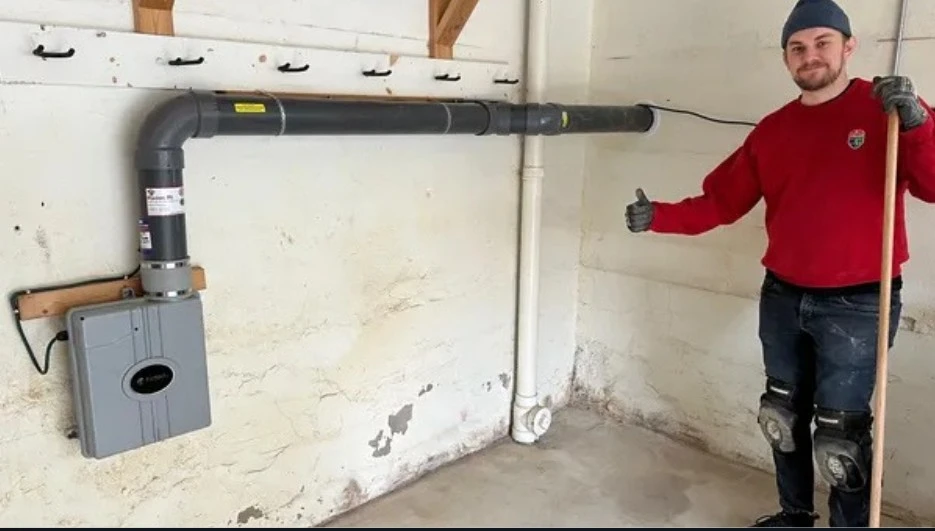
- Installing a radon mitigation system: A venting system that directs radon gas outside the home.
- Sealing cracks and gaps: Ensuring all potential entry points for radon are sealed.
- Improving ventilation: Increasing airflow throughout the home to reduce radon buildup.
Professional radon mitigation services can reduce radon levels in the home by as much as 99%.
9. The Cost of Radon Testing and Mitigation
While the cost of radon testing can vary depending on your location and the type of test, it generally ranges between $100 and $300. Radon mitigation systems typically cost between $800 and $2,500, depending on the complexity of the installation. However, investing in radon testing and mitigation is well worth it to protect your health and the health of your family.
10. When Should You Test for Radon?
The ideal time to test for radon is during a home inspection when buying or selling a property. It’s also recommended that homeowners test for radon every 2 years to ensure their home remains safe. Testing can be done at any time, but winter is often a good season for testing, as homes are typically sealed, and radon levels tend to be higher during colder months.
Conclusion
Radon is a silent, invisible threat that can have serious health consequences if left undetected. Home inspectors play a crucial role in identifying radon levels in your home, helping to protect you and your family from long-term exposure. Regular testing and, if necessary, mitigation are essential steps to ensure the safety of your living environment.
If you haven’t had your home tested for radon, now is the time to take action. The process is simple, affordable, and can ultimately save lives. Ensure that your home is free from the dangers of radon exposure by working with a professional home inspector and addressing any issues that may arise. For more information, visit Fort Collins Radon Mitigation. Your health is too important to leave to chance.























Sign in to leave a comment.