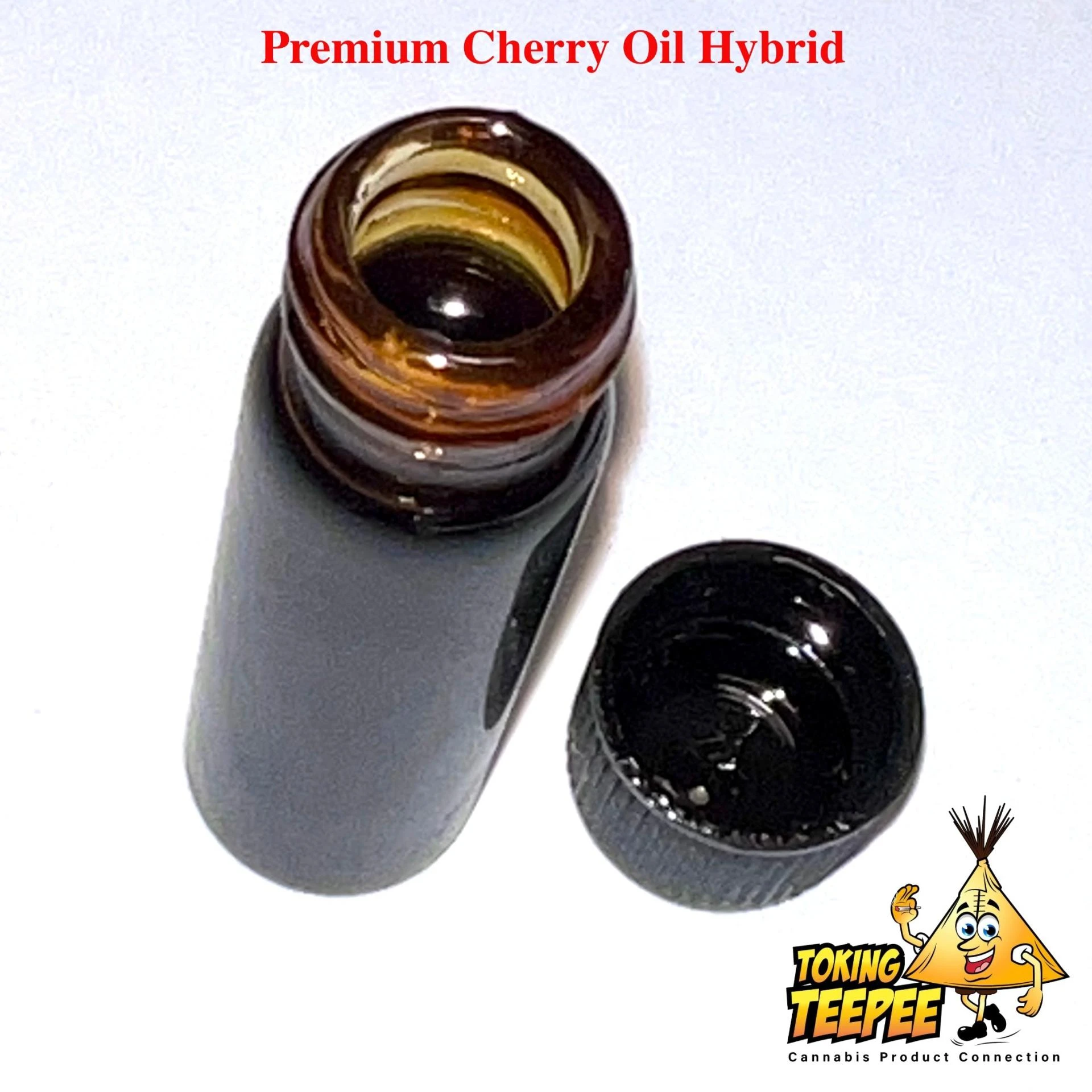

Chronic pain affects millions of Canadians. Many patients turn to honey oil—a potent cannabis extract also known as cannabis oil or BHO (butane hash oil)—to help manage long-term pain when conventional therapies fall short.
What Is Honey Oil?
Honey oil is a full-spectrum cannabis concentrate extracted using solvents and often sold in syringes or cartridges. It contains high levels of THC, often paired with CBD and natural terpenes. Think of it as a highly concentrated form of cannabis that delivers rapid and powerful effects.
Legal and Medical Context in Canada
In Canada, medical cannabis—including oils—is regulated under the Cannabis Act and associated regulations. Patients require a medical authorization from a licensed practitioner to legally access honey oil products from federally licensed producers
Physicians typically recommend oral or oil-based delivery methods to avoid risks associated with inhalation and establish predictable dosing.
Federal guidelines emphasize the principle of “start low and go slow” because dosing needs to be highly individualized—no universal dosage exists, especially for THC and CBD preparations .
How It Is Used: Routes & Dosing
Sublingual tinctures: Honey oil is often formulated into tinctures that are placed under the tongue. This method allows cannabinoids to enter the bloodstream via oral mucosa within minutes—faster than oral capsules or edibles and without inhalation-related risks . Patients appreciate tinctures for precise dosing and discretion.
Capsules or edible formulations: Some users mix measured honey oil with carrier oils into capsules or foods. While onset takes longer (60–120 minutes), effects tend to be sustained—useful for managing pain over several hours .
Topical applications: Although less common, some patients apply honey oil directly to painful areas. While clinical evidence is limited, topical forms may offer localized relief with minimal systemic effects .
Clinical Evidence & Canadian Guidelines
Canadian clinical practice guidelines rate cannabinoid-based medicines as offering moderate benefit for chronic pain, particularly neuropathic pain, and possibly useful for improving sleep and mood comorbidities Canadian Healthcare Network. A large review of randomized trials involving over 5,000 participants found that non‑inhaled cannabis (including oils) offered small but real improvements in pain, physical function, and sleep—but also caused side effects like dizziness, drowsiness, and nausea Lexpert. Other meta-analyses report mixed results, with some suggesting benefits may be modest compared to placebo .
Given the modest benefits and uncertain long-term effects, Canadian physicians generally view cannabis—including honey oil—as a second‑ or third‑line therapy, to be tried when standard treatments (e.g. NSAIDs, opioids, antidepressants, physiotherapy) have failed Reddit.
Patient Experience & Real-World Use
On forums, Canadian medical cannabis patients often share their experiences with honey oil for chronic conditions. One patient in Ontario described self‑making tinctures used topically and sublingually with noticeable inflammatory and pain relief . Others report using a balanced THC:CBD ratio, often eliminating nighttime pain or aiding sleep-related symptoms—especially in fibromyalgia and neuropathy .
Many emphasize the importance of trying different ratios and formats—CBD-dominant oil by day for inflammation and mixed THC:CBD at night for pain and sleep. They adjust dosing over time to find what works best while minimizing side effects Reddit+3Reddit+3Arthritis Society Canada+3.
Safety, Monitoring & Cost
Because honey oil is cannabis-based and not approved as a pharmaceutical in Canada, there is no standard Drug Identification Number (DIN). Patients must pay out‑of‑pocket, as most insurers do not cover it. This contrasts with prescription medications that are fully covered by public or private plans.
Clinicians caution patients about possible adverse effects—ranging from anxiety, dizziness, coordination issues, to dependency or cannabis use disorder. Regular follow‑up with monitoring, dose adjustment, and tapering of other analgesics is recommended to ensure safe long-term use .
Conclusion
Honey oil provides an alternative option for Canadian chronic pain patients seeking non‑inhaled cannabis-based relief. Though research results are modest and still evolving, many patients report meaningful improvements—especially when combining CBD and THC in measured doses. Guided by Canadian clinical guidelines, authorized honey oil use remains a carefully titrated, physician‑supervised approach—reserved for those who have not found adequate relief through conventional therapies.






























Sign in to leave a comment.