
Hormones are powerful messengers in our body that control everything from our mood and metabolism to our skin and hair growth. When these hormones fluctuate whether during puberty, pregnancy, menopause, or due to conditions like PCOS they can cause visible changes, one of the most common being unwanted hair growth.
While it’s completely natural, for many, it can feel distressing and affect self-confidence. In this article, we’ll explore why hormonal changes trigger unwanted body hair, what you can do to manage it, and how electrolysis offers a permanent, effective solution during these life transitions.
Understanding the Connection Between Hormones and Hair Growth
What Are Hormones?
Hormones are chemical substances produced by glands in our endocrine system. They act as messengers that travel through the bloodstream to regulate key functions such as growth, metabolism, and reproduction.
How Hormones Affect Hair Follicles
Hair growth is influenced by a group of hormones known as androgens including testosterone and DHEA. These hormones control the size and activity of your hair follicles. When their levels fluctuate, your body can start producing thicker, darker, and more noticeable hair in areas such as the chin, upper lip, abdomen, or chest.
The Role of Estrogen and Progesterone
Estrogen and progesterone, the two primary female hormones, work to balance the effects of androgens. When estrogen levels drop such as during menopause or when androgens increase like in PCOS the balance is disrupted, leading to increased hair growth in unwanted areas.
Common Hormonal Life Stages That Affect Hair Growth
Puberty: The Beginning of Hormonal Hair Changes
During puberty, both males and females experience an increase in androgen production. This triggers hair growth in new areas such as underarms, legs, and the pubic region. For some individuals, excess androgen activity may also lead to facial or body hair that feels coarser and darker than desired.
Pregnancy and Postpartum Period
Pregnancy is a time of massive hormonal changes. Many women experience increased estrogen levels, which can temporarily make hair thicker and fuller. However, after childbirth, hormone levels plummet, leading to sudden shedding (telogen effluvium) or the growth of unwanted hair in new areas.
Menopause: Decline in Estrogen and Rise in Androgens
As women age and enter menopause, estrogen levels drop while androgen levels may remain stable or even increase. This shift often results in facial hair growth, especially on the chin and upper lip, and thinning hair on the scalp.
PCOS (Polycystic Ovary Syndrome)
PCOS is a common hormonal disorder affecting women of reproductive age. It causes the ovaries to produce excess androgens, leading to hirsutism, the growth of coarse, dark hair on the face, chest, and back. Managing PCOS-related hair growth often requires both medical and cosmetic interventions.
Why Temporary Hair Removal Methods May Not Be Enough
Most people start with common options like shaving, waxing, threading, or depilatory creams. While these methods can provide quick results, they only target the surface of the hair, not the follicle.
Drawbacks of Temporary Methods
- Frequent maintenance: Hair grows back within days or weeks.
- Irritation and ingrown hairs: Regular shaving and waxing can cause redness, bumps, or folliculitis.
- Hormone-driven regrowth: When hormones are the cause, hair tends to regrow faster and thicker.
This is why individuals dealing with hormonally induced hair growth often seek long-term or permanent solutions.
The Permanent Solution: Electrolysis
If you’re looking for a truly permanent way to remove unwanted hair especially when hormonal changes are involved electrolysis is the only FDA-approved method that delivers permanent results.
How Electrolysis Works
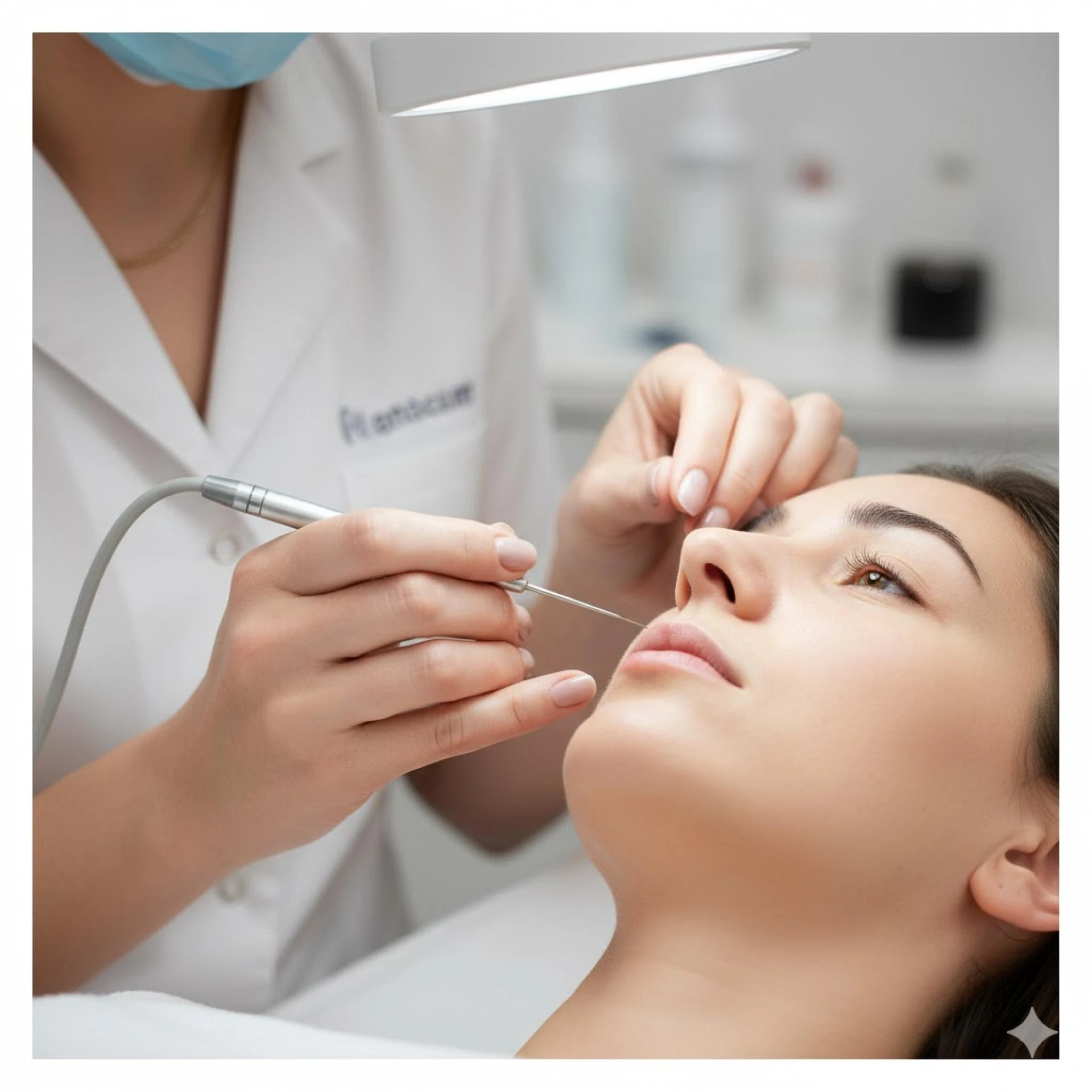
Electrolysis uses a fine probe inserted into each hair follicle to deliver a tiny electric current that destroys the hair growth cells. Once a follicle is treated effectively, it can no longer produce new hair.
Why It’s Ideal for Hormonal Hair Growth
- Effective on all hair types and skin tones (unlike laser hair removal).
- Targets each follicle individually, making it effective even for fine or light-colored hair.
- Safe during hormonal transitions, including menopause and post-pregnancy.
- Permanent results, even when hormonal fluctuations continue.
For a detailed understanding of how electrolysis helps during hormonal life changes, visit this article: Benefits of Electrolysis During Hormonal Life Changes
It explains how this treatment adapts to your body’s hormonal cycles and provides a lasting solution for smooth, hair-free skin.
How to Manage Hormonal Hair Growth Naturally (Alongside Electrolysis)
While electrolysis is the most effective long-term approach, managing your hormones naturally can also help reduce new hair growth.
1. Maintain a Balanced Diet
Include foods rich in zinc, magnesium, and vitamin B6, which support hormonal balance. Reducing refined sugars and processed foods can also lower insulin levels, helping control androgen activity.
2. Stay Physically Active
Exercise helps regulate insulin sensitivity and estrogen metabolism. Activities like yoga or brisk walking can help reduce symptoms of PCOS and other hormonal imbalances.
3. Manage Stress Levels
Chronic stress triggers the production of cortisol, which can indirectly increase androgen levels. Meditation, deep breathing, and regular sleep can go a long way in keeping your hormones steady.
4. Consult a Medical Professional
If you suspect a hormonal imbalance (e.g., irregular periods, acne, or excessive hair growth), consult your doctor or endocrinologist. They may recommend hormonal therapy, birth control pills, or other treatments to stabilize your hormone levels.
Preparing for Electrolysis During Hormonal Changes
Before starting electrolysis, it’s important to:
- Consult a certified electrologist who understands hormone-related hair growth.
- Avoid plucking or waxing for a few weeks before treatment, so the hair follicle remains intact for accurate targeting.
- Stay consistent with sessions, as hormones may still stimulate dormant follicles initially.
Consistency is key the results are cumulative and permanent over time.
Long-Term Confidence and Smooth Skin
Dealing with unwanted hair due to hormonal fluctuations can feel overwhelming, but understanding the cause is the first step. By balancing your hormones and choosing a permanent solution like electrolysis, you can regain control over your skin and confidence.
If you’re experiencing excessive hair growth due to puberty, pregnancy, menopause, or PCOS, it’s worth exploring how electrolysis can safely and effectively help you through these changes.
Final Thoughts
Hormonal changes are a natural part of life but the discomfort of unwanted hair doesn’t have to be. By combining healthy lifestyle habits with permanent hair removal solutions like electrolysis, you can achieve lasting results and feel confident at every stage of life.













Sign in to leave a comment.