
Introduction
Human resource strategies are undergoing significant change. Organisations are no longer focused only on hiring and compliance. There is now a strong emphasis on employee experience, engagement, and workplace culture.
At the centre of this shift lies communication. Clear and consistent communication has become a strategic priority for HR teams. It influences how employees interact, perform, and remain connected to organisational goals.
This article explores how HR strategies are evolving with communication priorities and why this shift is essential for modern workplaces.
The Shift Towards Employee Centric HR Practices
HR functions have moved towards a more employee focused approach. Organisations recognise the importance of understanding employee needs and expectations.
Communication plays a key role in this transition. HR teams must ensure employees receive clear information about policies, roles, and opportunities.
Open communication helps employees feel valued. It also improves trust between employees and management. This supports a more positive workplace environment.
Enhancing Employee Engagement Through Communication
Employee engagement is a major focus for HR strategies. Engaged employees are more productive and committed to their work.
Communication is essential for maintaining engagement. HR teams must ensure employees remain informed and involved.
Regular updates, feedback sessions, and transparent communication help build strong connections. Employees who feel heard are more likely to stay motivated and engaged.
Integrating Communication in Talent Management
Talent management now includes more than recruitment and retention. It involves continuous development and performance improvement.
Communication supports this process by providing clarity and direction. Employees must understand expectations and receive constructive feedback.
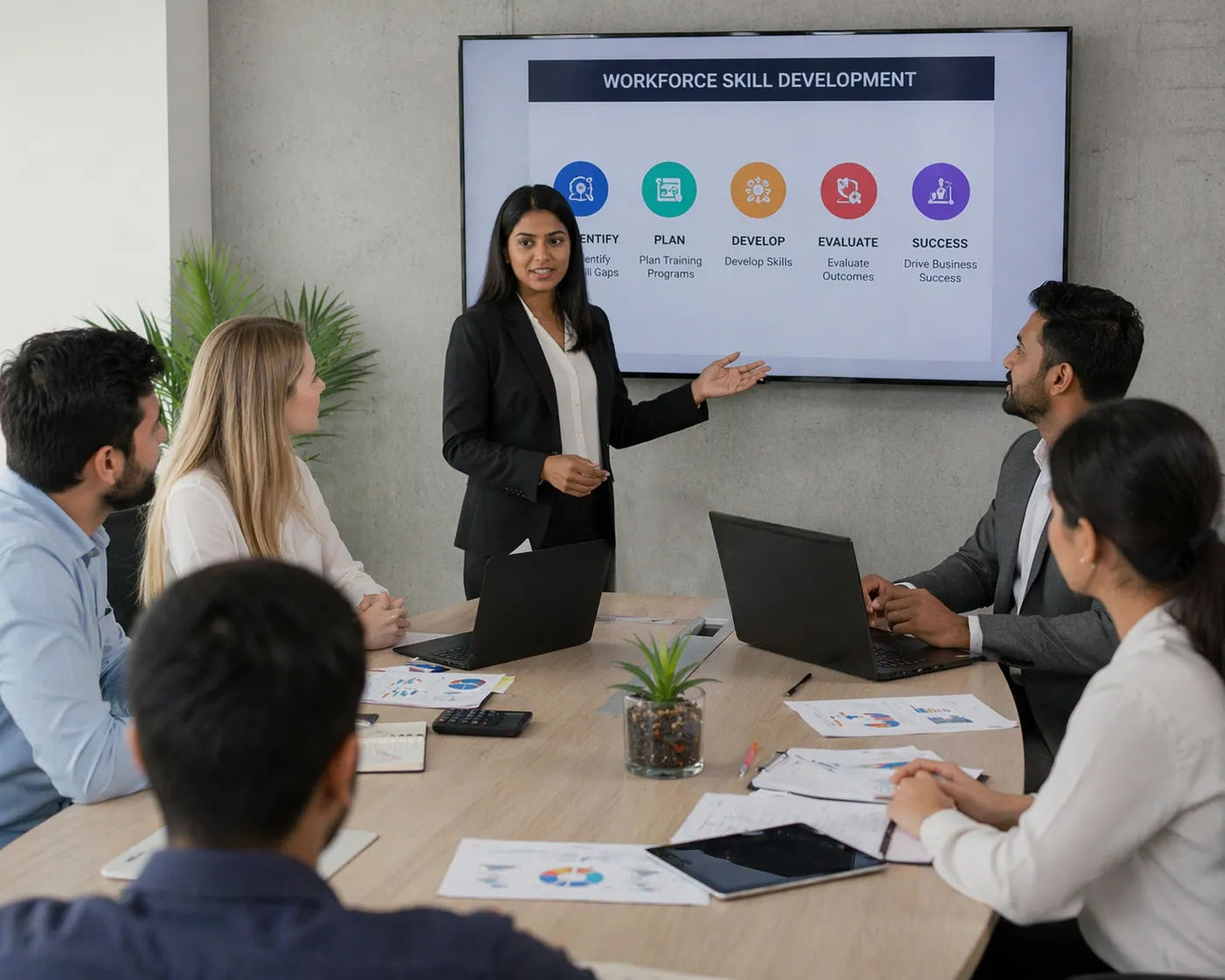
Clear communication also helps identify skill gaps and development needs. This allows HR teams to design targeted programmes for growth.
Supporting Remote and Hybrid Work Models
Modern workplaces often include remote and hybrid work arrangements. These models require new communication strategies.
HR teams must ensure employees remain connected despite physical distance. Digital tools play a crucial role in this process.
Structured communication practices, such as regular meetings and updates, help maintain alignment. Employees feel more connected when communication is consistent.
Strengthening Workplace Culture
Organisational culture is shaped by communication practices. HR strategies now focus on building cultures of transparency and inclusion.
Clear communication ensures employees understand organisational values and expectations. It also encourages collaboration and mutual respect.
A strong culture improves employee satisfaction and retention. Communication plays a central role in achieving this outcome.
The Role of Leadership Communication
Leadership communication has become a key aspect of HR strategy. Leaders must communicate effectively to guide teams and maintain engagement.
HR teams support leaders by providing tools and frameworks for communication. This ensures messages are clear and consistent across the organisation.
Strong leadership communication builds trust and improves team performance. It also supports organisational stability during periods of change.
Addressing Communication Challenges
Despite its importance, communication challenges still exist. These include information overload, lack of clarity, and limited feedback channels.
HR strategies are evolving to address these issues. Organisations are implementing structured communication processes and guidelines.
Feedback mechanisms are also being strengthened. Employees are encouraged to share their views and concerns. This helps organisations identify and resolve communication gaps.
The Role of Training and Development
Training is a key component of modern HR strategies. Organisations are investing in programmes to improve communication skills across teams.
Many businesses rely on corporate training services to enhance communication practices. These programmes focus on clarity, collaboration, and effective interaction. They help employees communicate more confidently and accurately.
At an individual level, targeted learning is essential. Programmes in communication training for employees provide practical tools to improve communication abilities. These skills support both personal growth and organisational success.
Leveraging Technology for Better Communication
Technology has become an integral part of HR strategies. Digital platforms support communication across teams and departments.
HR teams use these tools to share information, manage feedback, and monitor engagement. Technology enables faster and more efficient communication.
However, it is important to use these tools effectively. Clear guidelines ensure communication remains structured and meaningful.
Building a Future Ready Workforce
As workplaces continue to evolve, HR strategies must adapt. Communication will remain a key priority in shaping the future of work.
Organisations must focus on developing communication skills at all levels. This ensures employees can collaborate effectively and adapt to change.
A future ready workforce depends on strong communication practices. HR teams play a crucial role in building this capability.
Conclusion
HR strategies are evolving with a strong focus on communication priorities. Clear communication supports employee engagement, talent management, and organisational culture.
Organisations which prioritise communication can create more connected and productive workplaces. This leads to improved performance and long term success.
In modern organisations, communication is not just a support function. It is a strategic tool which drives growth and sustainability.

























Sign in to leave a comment.