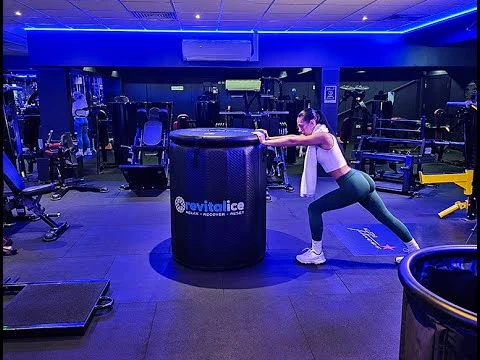

Ice baths, also known as cold water immersion (CWI), have become a common recovery tool among athletes—from elite professionals to weekend warriors. Sitting in near-freezing water after intense exercise may not sound appealing, but research suggests it can play a meaningful role in recovery. So how exactly do ice baths work, and what does science say about their benefits?
What Is an Ice Bath?
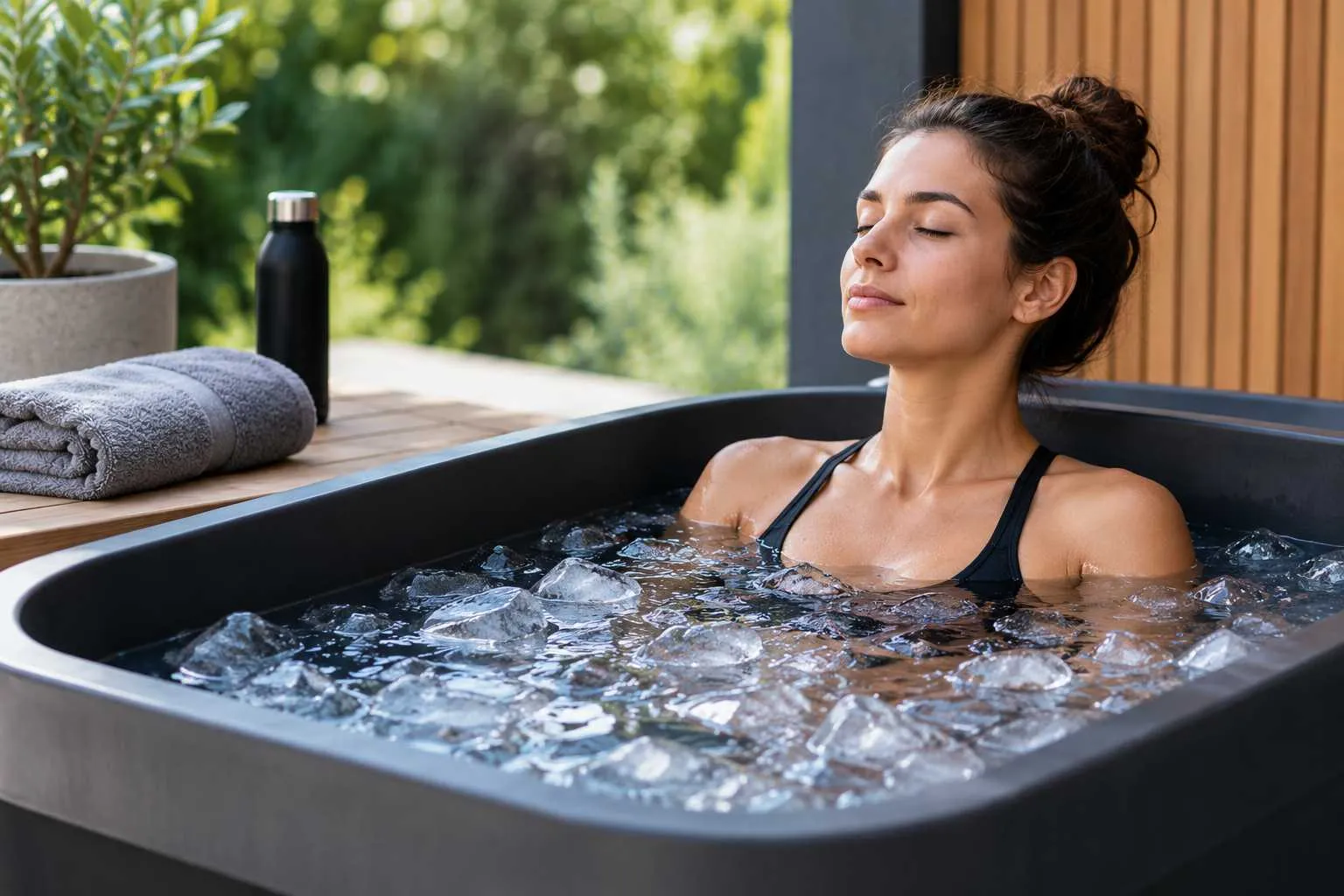
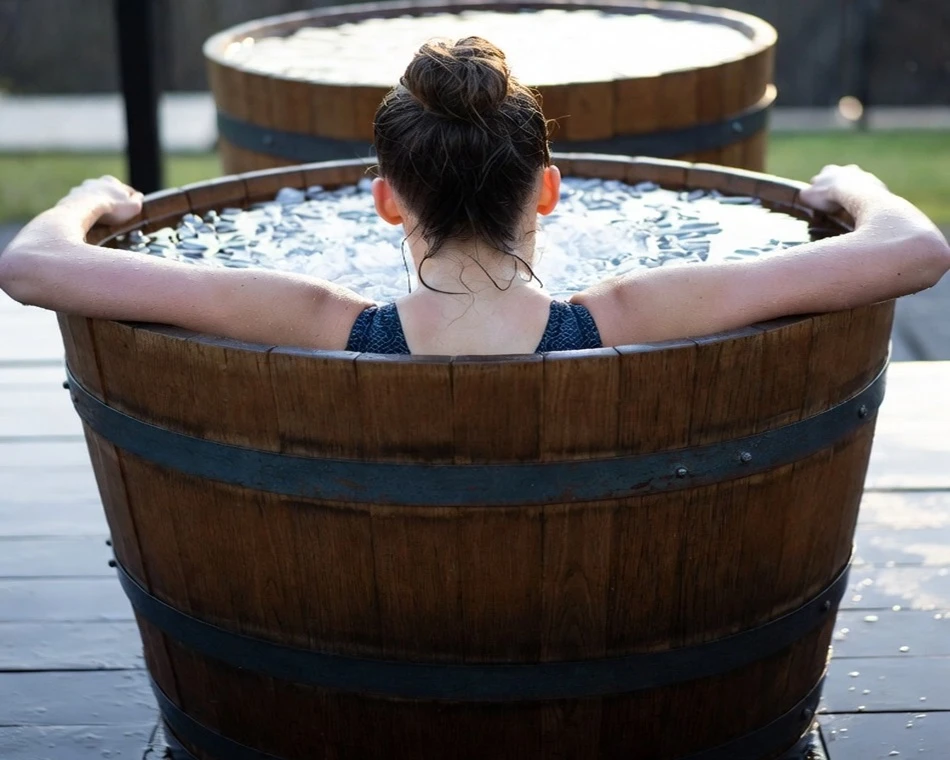
An ice bath typically involves immersing the body (or lower limbs) in water cooled to around 10–15°C (50–59°F) for 5–15 minutes after strenuous exercise. The goal is to reduce muscle soreness, inflammation, and fatigue to help athletes recover faster and perform better in subsequent sessions.
Reducing Muscle Inflammation and Soreness
One of the primary benefits of ice baths is their effect on inflammation. Intense exercise causes microscopic muscle damage, triggering an inflammatory response that leads to swelling and delayed onset muscle soreness (DOMS). Cold exposure causes blood vessels to constrict (vasoconstriction), which limits the movement of inflammatory substances and fluid into the muscle tissue.
When the body warms up again after the ice bath, blood vessels dilate, increasing circulation. This “pumping” effect may help flush out metabolic waste products like lactate while delivering oxygen and nutrients needed for repair. Several studies have shown that athletes who use ice baths report reduced muscle soreness 24–48 hours after exercise compared to passive recovery.
Pain Relief Through Nervous System Effects
Ice baths also influence the nervous system. Cold temperatures reduce nerve conduction velocity, which dulls pain signals sent to the brain. This temporary analgesic effect can make muscles feel less sore and stiff, allowing athletes to move more comfortably after hard training or competition.
In addition, cold exposure activates the sympathetic nervous system, increasing alertness and potentially improving mood. Some athletes report feeling mentally refreshed and more prepared for their next session after an ice bath.
Limiting Secondary Muscle Damage
After intense exercise, inflammation can sometimes cause “secondary muscle damage,” where the body’s immune response leads to additional tissue breakdown. By reducing the initial inflammatory response, ice baths may help limit this secondary damage, preserving muscle integrity and function in the short term.
This is particularly useful during tournaments, training camps, or congested competition schedules, where rapid recovery is more important than long-term adaptation.
Hormonal and Metabolic Effects
Cold water immersion may also influence hormonal responses. Research suggests ice baths can reduce cortisol levels (a stress hormone) after exercise, potentially aiding recovery. Cold exposure may also increase norepinephrine, which can enhance focus and reduce the perception of fatigue.
However, it’s worth noting that ice baths can blunt muscle protein synthesis if used too frequently after strength training. Inflammation is a key signal for muscle growth, and regular cold exposure may reduce long-term gains in strength and hypertrophy.
When Ice Baths Are Most Effective
Ice baths are most beneficial when the goal is short-term recovery, such as:
- During multi-day competitions
- After endurance events or high-volume training
- When soreness and fatigue must be minimized quickly
They may be less ideal immediately after hypertrophy-focused strength training, where muscle adaptation is the priority.
Conclusion
Ice baths improve athletic recovery by reducing inflammation, relieving pain, limiting secondary muscle damage, and supporting nervous system recovery. While they’re not a magic solution—and should be used strategically—they can be a powerful tool when fast recovery is essential. As with most recovery methods, the key is timing, moderation, and aligning their use with specific training goals.
For a deeper dive into the specific practices and recommendations, you can explore resources such as Revitalice’s Ice Baths for Athletes.

Sign in to leave a comment.