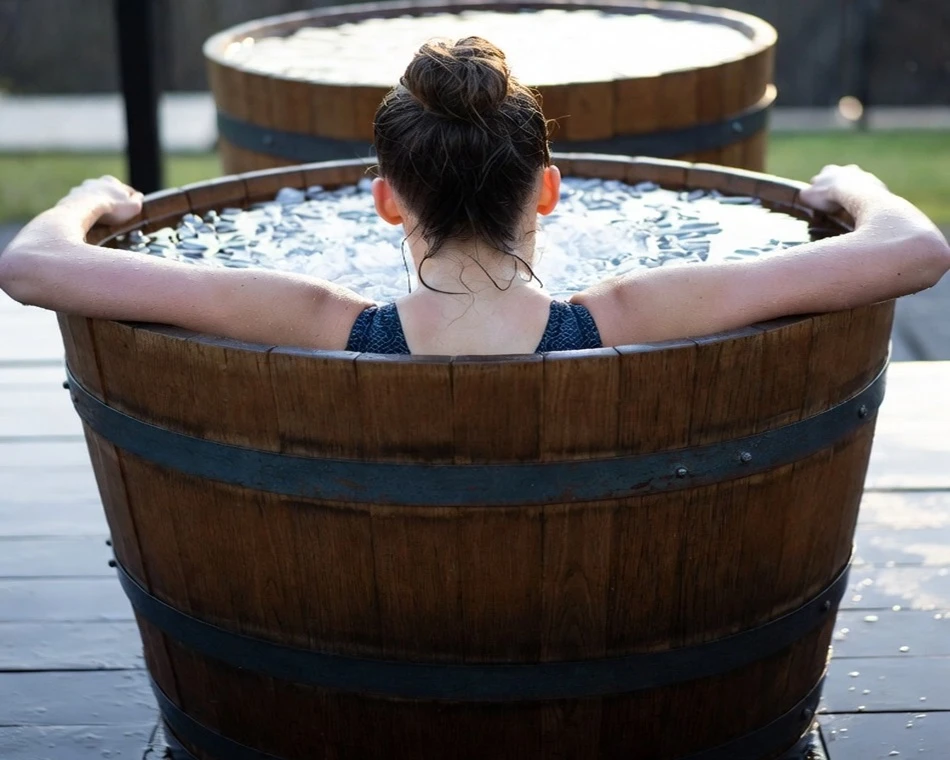

Ice baths, also known as cold water immersion, have surged in popularity among athletes, fitness enthusiasts, and wellness advocates. From professional sports teams to everyday gym-goers, many people swear by the benefits of sitting in icy water for a few minutes. But what exactly happens inside your body when you plunge into cold water? The science behind ice baths reveals a fascinating chain reaction that affects your muscles, circulation, hormones, and nervous system.
The Immediate Shock Response
The moment your body enters cold water—typically between 10–15°C (50–59°F)—it triggers what’s known as the “cold shock response.” Blood vessels near the skin constrict rapidly, a process called vasoconstriction. This helps preserve core body temperature by redirecting blood flow toward vital organs such as the heart and brain.
Your heart rate may increase, breathing becomes faster, and adrenaline levels rise. This response is part of your body’s natural survival mechanism. While the sensation can feel intense at first, controlled breathing helps regulate this reaction and prevent hyperventilation.
Reduced Inflammation and Muscle Recovery
One of the main reasons athletes use ice baths is to reduce muscle soreness and speed up recovery. After intense exercise, small microscopic tears occur in muscle fibers, leading to inflammation and delayed onset muscle soreness (DOMS).
Cold exposure reduces inflammation by narrowing blood vessels and limiting the accumulation of fluids in tissues. When you exit the ice bath and your body warms up, the blood vessels dilate again (vasodilation), allowing fresh, oxygen-rich blood to flow back into the muscles. This “flush” effect may help remove metabolic waste products such as lactic acid and reduce swelling.
Research suggests that cold water immersion can be particularly helpful after high-intensity or endurance-based activities. However, some studies indicate that frequent use immediately after strength training might blunt long-term muscle growth by dampening inflammation, which is a natural part of muscle adaptation.
Effects on the Nervous System
Ice baths strongly stimulate the autonomic nervous system. The initial shock activates the sympathetic “fight-or-flight” response, but with regular exposure, the body adapts. Over time, individuals often experience improved stress resilience and better control over their physiological responses.
Cold exposure also stimulates the vagus nerve, which plays a major role in regulating the parasympathetic “rest-and-digest” system. This may explain why many people report feeling calm, focused, and mentally refreshed after an ice bath.
Additionally, cold water immersion can increase the release of neurotransmitters such as norepinephrine and dopamine. These chemicals are linked to improved mood, alertness, and motivation. Some researchers are even exploring cold therapy as a complementary approach for mental health support.
Circulation and Cardiovascular Effects
By alternating between vasoconstriction (in cold) and vasodilation (after warming), ice baths may improve vascular tone and circulation over time. This repeated “vascular exercise” challenges blood vessels to contract and expand efficiently.
However, because cold exposure raises heart rate and blood pressure temporarily, individuals with cardiovascular conditions should consult a healthcare professional before attempting ice baths.
Metabolism and Brown Fat Activation
Cold exposure also influences metabolism. When exposed to low temperatures, the body works harder to maintain its core temperature, increasing energy expenditure. Cold immersion may activate brown adipose tissue (brown fat), a type of fat that generates heat by burning calories.
While this effect is real, ice baths alone are unlikely to cause significant weight loss. The metabolic boost is modest and should be viewed as a supplementary benefit rather than a primary strategy.
How Long Is Enough?
Most protocols recommend 5–15 minutes in cold water, depending on temperature and individual tolerance. Beginners should start gradually and avoid staying in too long, as excessive exposure can increase the risk of hypothermia.
Conclusion
Ice baths are more than just a wellness trend—they are grounded in physiological science. From reducing inflammation and muscle soreness to influencing hormones and mental resilience, cold water immersion triggers powerful adaptations in the body. When practiced safely and strategically, ice baths can be a valuable tool for recovery, performance, and overall well-being.


























Sign in to leave a comment.