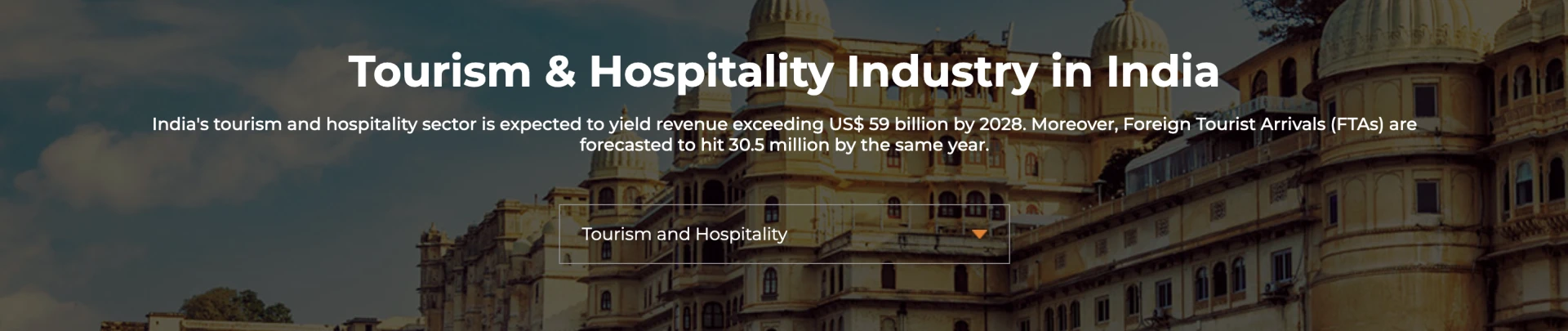

India’s Tourism & Hospitality Industry is undergoing a dynamic transformation. With changing traveler preferences and a growing appetite for authentic experiences, experiential tourism is becoming the new face of Indian travel. No longer confined to sightseeing, today’s tourists want to immerse themselves in culture, nature, cuisine, and community life. At the heart of this shift is the evolving role of India’s hospitality sector, which is no longer just about providing accommodation but curating memorable, immersive journeys.
What is Experiential Tourism?
Experiential tourism is focused on meaningful engagement rather than just visiting places. Whether it’s cooking traditional meals with locals, staying in rural homestays, trekking through offbeat Himalayan trails, or participating in tribal art workshops—travelers are choosing experiences that allow them to feel connected to the destination.
This shift is reshaping the Tourism & Hospitality Industry in India, pushing it to innovate beyond the conventional hotel model and build offerings that reflect local heritage, traditions, and sustainability.
Hospitality’s New Role: Experience Curator
Today, hospitality businesses are not just service providers but experience enablers. Leading hotel chains such as Taj Hotels, Oberoi, and ITC are designing customized packages that include yoga retreats, heritage tours, folk performances, and eco-tourism trails.
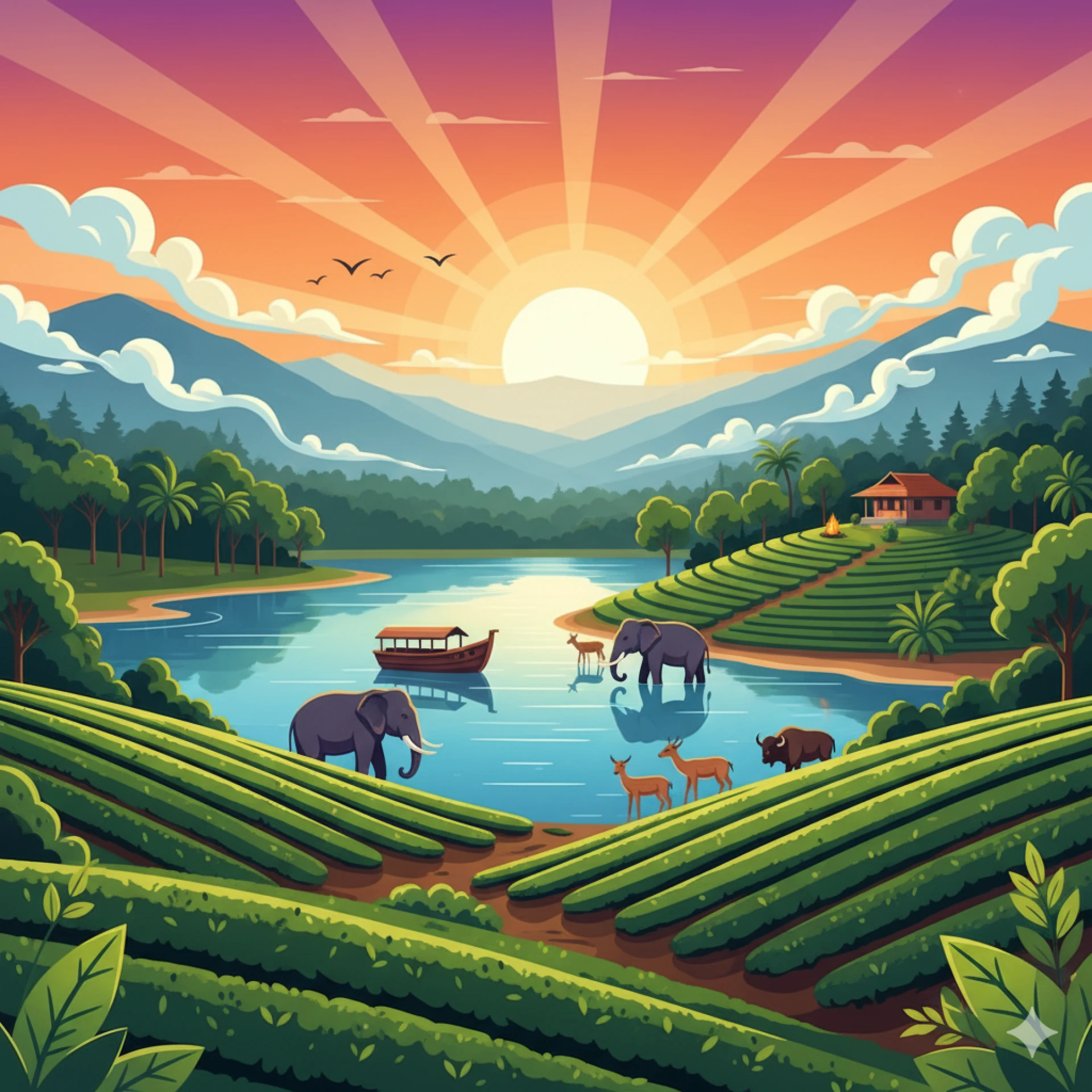
Simultaneously, boutique brands and platforms like SaffronStays, Airbnb India, and Vista Rooms are promoting experiential stays—from plantation bungalows in Kerala to palace homes in Rajasthan.
These innovations are a testament to how the Tourism & Hospitality Industry in India is adapting to meet the needs of a more conscious and adventurous traveler base.
Sustainability and Local Integration
A major draw for experiential travelers is the emphasis on sustainability. Many hospitality brands are adopting green practices—solar power, zero plastic, organic food, and waste management. Additionally, involving local communities through employment, cultural performances, and sourcing local produce is becoming standard practice.
This synergy between tourism and community is what gives India’s hospitality sector a unique edge in the global travel landscape.
Government Support for Experiential Tourism
The Indian government has recognized the potential of experiential tourism and is supporting it through various initiatives. The Incredible India 2.0 campaign promotes India as a destination rich in culture, wellness, and adventure. Programs like Swadesh Darshan and PRASHAD are enhancing tourism infrastructure while preserving authenticity in heritage and spiritual destinations.
Additionally, the Dekho Apna Desh campaign encourages domestic tourists to explore lesser-known destinations, thus supporting the growth of local hospitality enterprises. This level of policy backing strengthens the foundation of the Tourism & Hospitality Industry in India.
Technology: Empowering Personalized Travel
Technology is a key enabler in experiential tourism. AI-powered travel apps, virtual reality previews, contactless check-ins, and curated digital itineraries are helping travelers customize their trips. Hospitality providers are using digital tools to offer personalized guest services, gather feedback, and adapt quickly to traveler preferences.
Such advancements are positioning the Tourism & Hospitality Industry in India as a modern, tech-savvy sector that meets global standards while celebrating local roots.
Post-Pandemic Travel Preferences
COVID-19 changed travel behavior globally. Tourists now prefer open spaces, wellness getaways, and low-footprint experiences. This aligns perfectly with experiential travel, which often emphasizes nature, health, mindfulness, and authenticity.
India’s hospitality sector has been quick to adapt, focusing on safety, hygiene, and flexibility, all while maintaining a commitment to creating enriching experiences. This adaptability has strengthened trust and accelerated recovery in the Tourism & Hospitality Industry in India.
Conclusion
As the world turns toward more meaningful travel, India’s hospitality sector is leading by example—innovating, localizing, and personalizing travel like never before. The rise of experiential tourism has unlocked new possibilities for economic growth, community empowerment, and cultural exchange.
By aligning with global travel trends and leveraging India’s incredible diversity, the Tourism & Hospitality Industry in India is not just keeping pace—it’s setting benchmarks. Whether through a forest retreat in Madhya Pradesh or a food trail in Lucknow, India is offering travelers stories, not just stays.




























Sign in to leave a comment.