
Golf has a reputation problem with new players before they ever hit a ball. The learning curve looks steep from the outside: intimidating driving ranges, unspoken etiquette, a scorecard full of numbers nobody explains, and a course environment where everyone else seems to already know what they're doing. It's no surprise that a lot of curious beginners try the game once, feel out of place, and never come back.
Indoor golf simulators are quietly changing that story, and not just for the low-handicap crowd chasing extra practice reps. For first-time golfers, a simulator bay turns out to be one of the least intimidating ways to actually learn the game, and the reasons why say a lot about what was making traditional beginner golf so hard in the first place.
The Range Was Never Really Built for Beginners
Anyone who has stood at a driving range with a bucket of balls and no real plan knows the feeling. You hit shot after shot with no idea whether your swing is improving, getting worse, or just staying randomly inconsistent. There's no feedback beyond where the ball happens to land, which is a hard way to learn anything, let alone a sport as technical as golf.
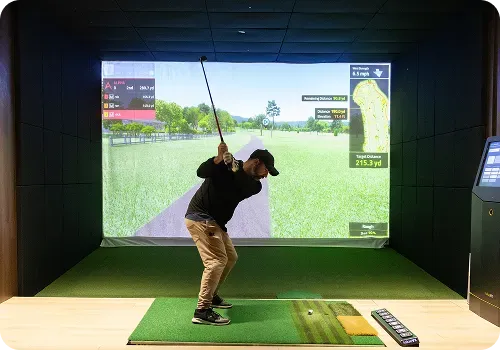
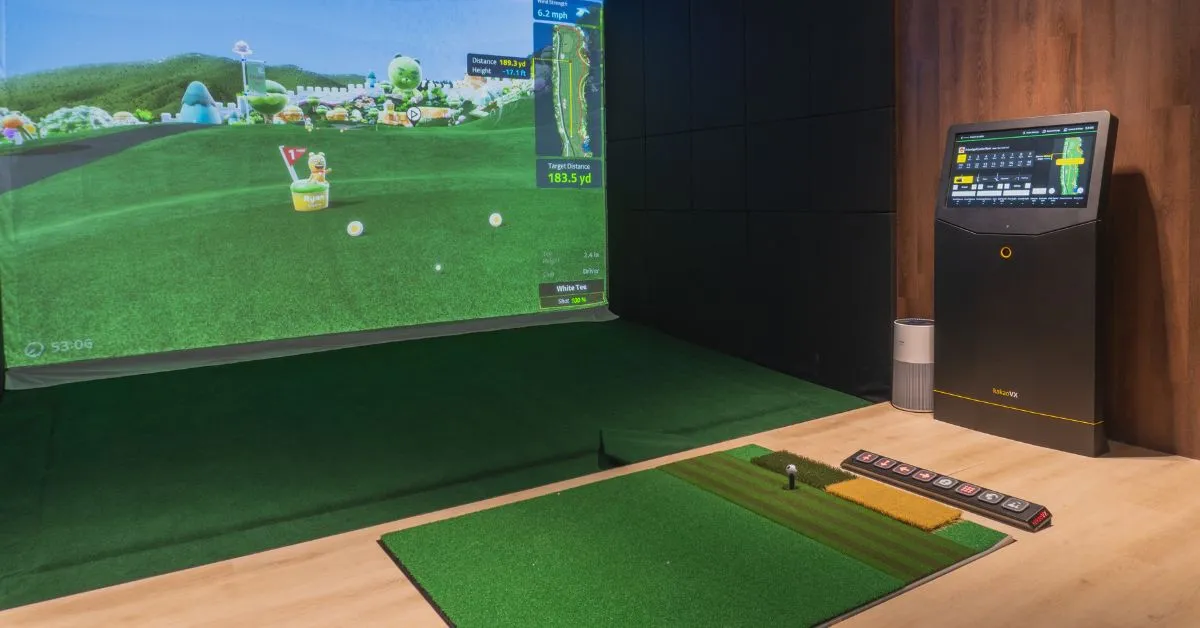
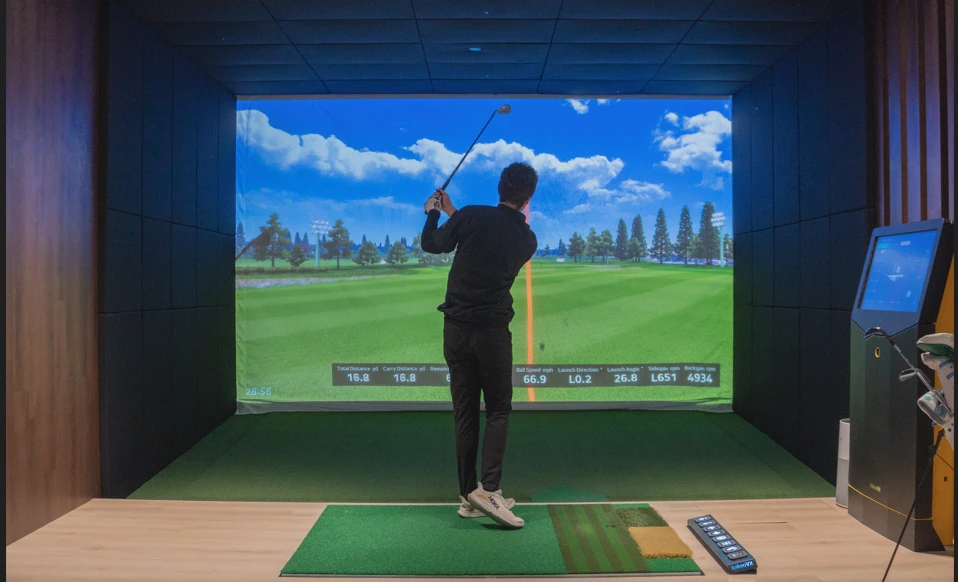
A modern simulator flips that experience. Every swing produces real data: ball speed, launch angle, clubhead path, spin. A beginner doesn't need to interpret any of it alone. The numbers make it obvious, almost immediately, whether a swing change actually did something or not. That kind of instant, honest feedback is exactly what separates aimless practice from real improvement, and it's a big part of how modern golf simulators work behind the scenes, translating a golf swing into information a beginner can actually use. Systems from companies like Golf VX are built around this exact idea, giving new players a clear read on their swing instead of leaving them to guess.
Removing the Fear of Being Watched
There's a specific kind of self-consciousness that keeps new golfers away from ranges and courses: the sense that everyone around them is a better player quietly judging their swing. It's rarely true, but it's a real barrier, and it's one of the most common reasons beginners quit before they get good enough to enjoy the game.
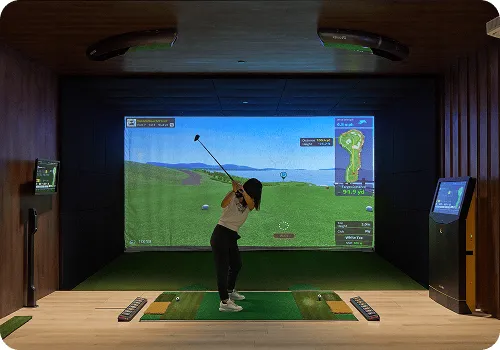
A private or semi-private simulator bay removes that pressure almost entirely. Whether it's a bay at home or a booked session at an indoor golf venue, a beginner can take fifty ugly swings in a row without an audience. That privacy changes how people practice. They try things. They swing harder without worrying about a shank flying toward the next tee box. They actually experiment, which is how skill develops in any sport, golf included.
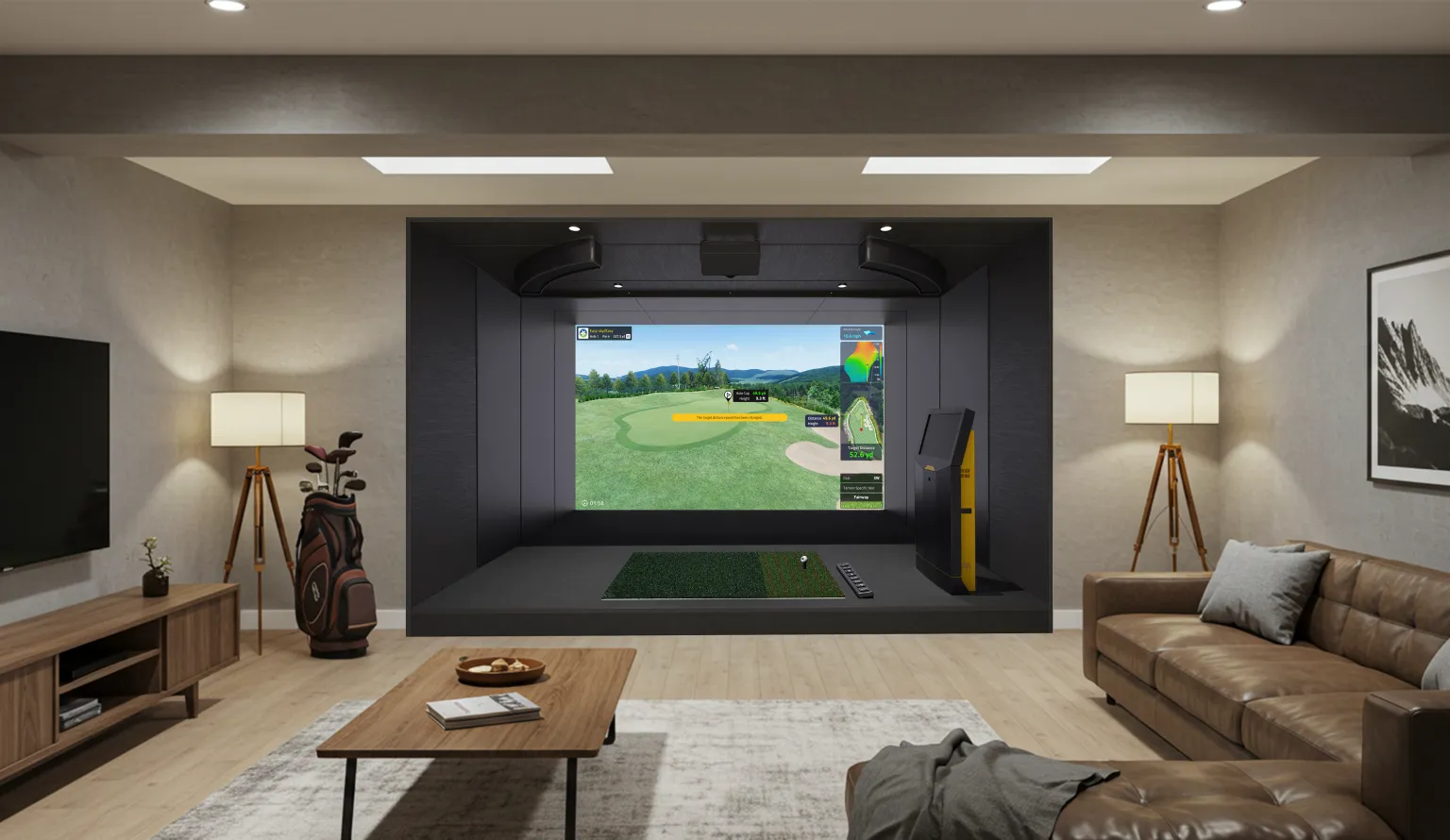
This is part of why residential golf simulators have become such a popular entry point for entire families learning together, not just serious golfers logging practice hours. A garage or spare room with a simulator is a low-stakes place to fail, which paradoxically makes it a much better place to actually get good.
Weather and Time Stop Being Excuses
New golfers rarely have the built-in motivation that keeps experienced players coming back through a rained-out weekend or a scheduling conflict. If the first few attempts at golf get derailed by weather, tee time availability, or a long drive to the nearest course, interest fades fast. Beginners need frequent, low-friction reps early on, and traditional golf infrastructure doesn't always make that easy.
Simulators solve this by making year-round golf practice a genuine option rather than a seasonal one. A twenty-minute session after work, on a Tuesday, in January, is realistic in a way that booking an actual tee time simply isn't for most people. For a beginner still deciding whether they even like golf, that kind of easy, repeatable access matters more than almost anything else. Consistency, not talent, is usually what determines whether someone sticks with a new sport long enough to enjoy it.
Learning the Short Game Without the Judgment
Putting and chipping are where a lot of new golfers quietly struggle the most, and also where they're least likely to ask for help, since standing on a practice green fumbling through short putts feels more exposed than a full swing on the range somehow does. Simulator software built around structured putting practice gives beginners a private, game-like way to build this part of their game, complete with feedback on face angle, ball speed, and start line rather than just watching a ball roll and guessing what went wrong.
That structure matters more for beginners than for experienced players. Someone new to the game often doesn't know what a "good" putting stroke should even feel like. Data-driven feedback fills that gap in a way that trial and error on a real green, with no explanation attached, generally doesn't.
From Simulator to Real Course, Faster Than Expected
A fair question beginners ask is whether simulator practice actually transfers to a real course. The honest answer is that it transfers extremely well for the fundamentals: swing mechanics, contact quality, and understanding basic ball flight all develop the same way regardless of whether the shot lands on a screen or a fairway. What a simulator can't fully replicate is course management, uneven lies, and the mental side of playing in front of others, which is exactly why the smartest approach for new golfers is using simulator time and real course time together rather than choosing one over the other.
This is also where choosing the right simulator setup matters for beginners specifically. Systems with an emphasis on realistic feel and structured feedback, the kind Golf VX builds its simulators around, tend to produce better fundamentals early on than a bare-bones setup that only shows a number after each shot with no context for what to do about it.
A Lower-Pressure On-Ramp Into a Lifelong Game
Indoor golf venues have also become a genuinely social, low-pressure way for new golfers to get comfortable around the game before ever setting foot on a course. A group of friends at an indoor golf lounge is a completely different environment than a quiet, formal country club, and for a lot of beginners, that casual first exposure is what makes golf feel approachable rather than exclusive.
Golf has spent decades trying to solve its beginner retention problem, and most of that problem was never really about the sport itself. It was about everything standing between a curious first-timer and their first decent shot: cost, intimidation, weather, and a total lack of feedback for anyone trying to figure things out alone. Indoor simulators are quietly dismantling those barriers one at a time, giving new players a private, low-pressure space to fail, adjust, and actually see themselves improve.
Companies building that kind of accessible on-ramp, Golf VX among them, are changing where people fall in love with golf in the first place. It's no longer always a course. Increasingly, it's a screen in a garage or a bay at a local lounge, and for a lot of golfers, that's exactly what finally made the game click.
Originally published on medium.com.
























Sign in to leave a comment.