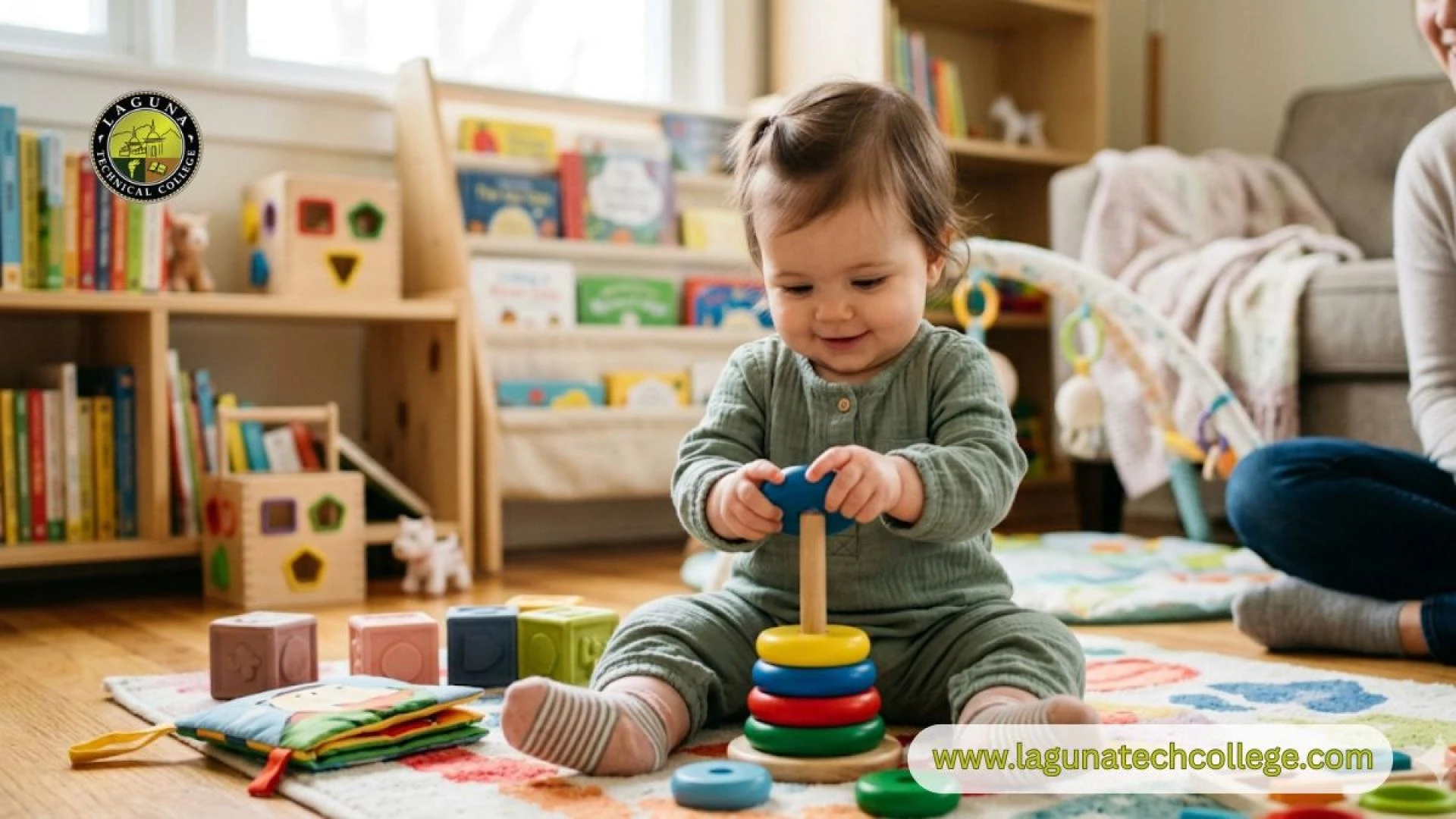

The earliest years of a child’s life are the most critical when it comes to learning and overall growth. Understanding infant development provides parents, caregivers, and early childhood educators with essential insights into how babies acquire skills, form relationships, and prepare for future learning. The experiences infants have in their first years not only shape immediate abilities but also lay the foundation for infant and toddler development and lifelong learning.
The Stages of Infant Development
Infant development is a dynamic process that encompasses physical, cognitive, social, and emotional growth. During the first year of life, infants progress from complete dependence to gradually exploring their environment, forming early communication skills, and learning to interact with caregivers.
- Physical Development: Infants gain control over their muscles, starting with head movements, rolling over, sitting up, crawling, and eventually walking. Fine motor skills, such as grasping objects and pointing, are equally critical for interaction with their surroundings.
- Cognitive Development: Infants begin to understand cause-and-effect relationships, recognize familiar faces, and respond to simple instructions. Early problem-solving skills emerge as babies experiment with objects and explore their environment.
- Social and Emotional Development: Attachment to caregivers is a core component of healthy infant growth. Through responsive interactions, infants develop trust, empathy, and the foundations for future social relationships.
These stages illustrate that infant development is multifaceted and each area influences the others. For example, physical milestones like crawling allow infants to explore and learn, promoting cognitive growth.
Linking Infant Development to Toddler Development
The progress made during infancy has a direct impact on toddler development. Skills acquired in the first year, such as walking, language recognition, and emotional regulation, become building blocks for more complex abilities in toddlers.
- Language and Communication: Infants start with cooing and babbling, eventually forming simple words. By toddlerhood, these early experiences translate into vocabulary growth and basic conversational skills.
- Social Interaction: Secure attachment during infancy allows toddlers to engage in cooperative play, develop friendships, and understand social norms.
- Problem-Solving and Independence: Toddlers build on the exploratory behaviors learned as infants. They experiment with new ways to interact with their environment, showing creativity, curiosity, and independence.
By observing the trajectory from infant milestones to toddler abilities, caregivers and educators can create developmentally appropriate experiences that support infant and toddler development comprehensively.
The Role of Environment and Care
Infant and toddler development is heavily influenced by the environment in which a child grows. A nurturing, safe, and stimulating environment promotes healthy physical and cognitive growth. Key factors include:
- Responsive Caregiving: Prompt responses to an infant’s needs, whether for feeding, comfort, or attention, foster trust and secure attachments. These early interactions directly impact emotional regulation and social skills.
- Stimulating Activities: Engaging infants in sensory play, reading aloud, and interactive games supports brain development and helps them learn about the world around them.
- Healthy Nutrition and Sleep: Proper nutrition and sufficient sleep are crucial for physical and brain development. Sleep, in particular, strengthens memory and learning capabilities, supporting the transition into toddlerhood.
- Safe Exploration: Allowing infants to explore their environment under supervision encourages independence, motor skill development, and problem-solving.
Creating a rich environment during infancy ensures a smoother progression into toddler development, helping children reach important milestones more confidently.
Early Detection of Developmental Delays
Monitoring infant and toddler development is essential for identifying potential delays. Early intervention can make a significant difference in a child’s growth trajectory. Common signs to watch for include:
- Limited eye contact or social responsiveness
- Delays in rolling, sitting, or walking
- Minimal vocalization or lack of babbling by expected ages
- Difficulty with sensory processing or motor coordination
When such signs are observed, caregivers are encouraged to seek guidance from pediatricians or early childhood specialists. Addressing challenges early ensures that interventions can support both infant development and toddler growth and development effectively.
Supporting Lifelong Learning from the Start
The relationship between infant development and early learning highlights the importance of early experiences. Children who receive responsive, enriched care during infancy are better prepared for the cognitive and social challenges of toddlerhood and beyond.
- Encouraging curiosity and exploration fosters problem-solving skills
- Positive social interactions enhance emotional intelligence
- Exposure to language and reading strengthens communication and literacy
By intentionally supporting infant and toddler development, parents and caregivers set children on a path toward lifelong learning and success. Every smile, word, and gesture contributes to building strong foundations for the years to come.
Conclusion
Understanding infant development is not just about tracking milestones, it's about recognizing the profound impact early experiences have on a child’s overall growth. From physical coordination to social-emotional learning, the first year of life sets the stage for toddler development and future academic and social success.
By creating supportive, nurturing, and stimulating environments, caregivers can ensure that children thrive during these critical stages. Investing in infant and toddler development today is an investment in a brighter, more capable tomorrow.
Start Your ECE Journey Today with Laguna Technical College




























Sign in to leave a comment.