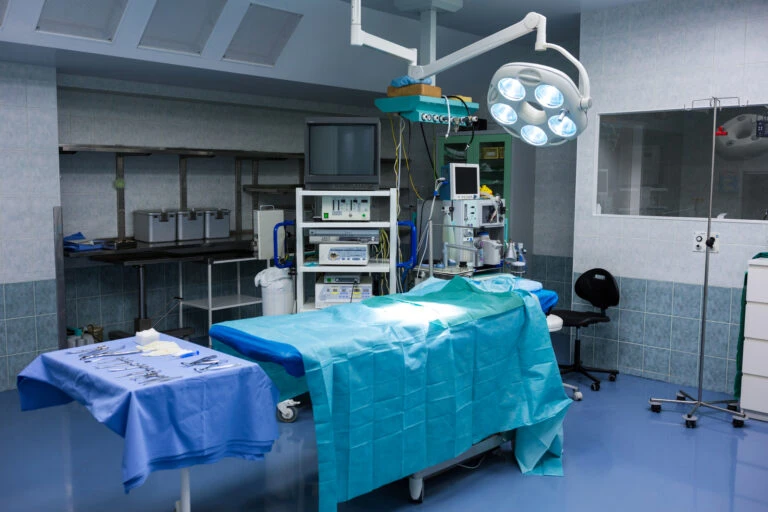

The Intensive Care Unit (ICU) is the heart of any hospital – a place where critically ill patients receive constant attention, advanced monitoring, and life-saving interventions. Ensuring safe and effective treatment in an ICU requires not only modern technology but also skilled professionals, strict protocols, and compassionate care. Every process, from admission to recovery, is designed to minimize risk and maximize patient outcomes.
Key Safety Measures
• Strict infection control practices, including hand hygiene facilities, isolation rooms, and appropriate use of personal protective equipment to prevent cross-contamination.
• Use of standardized care bundles and bedside safety checklists to prevent errors of omission, especially in drug administration and invasive procedures.
• Advanced patient monitoring systems that offer continuous observation and immediate alerting for any clinical deterioration, ensuring timely interventions.
• Secure, real-time electronic medical records for accurate documentation and communication among care teams, reducing the risk of miscommunication and medication errors.
• Team-based approach with skilled intensivists, critical care nurses, pharmacists, and allied health professionals contributing to evidence-based decision-making and daily safety briefings.
• Dedicated patient safety advocates and leadership involvement to cultivate a culture of transparency and continuous improvement, where incidents are openly reported and addressed.
Additional Protocols
• Thorough environmental cleaning, safe handling and disposal of sharps, and strict guidelines for food and drink in the unit to minimize exposure to infections and allergens.
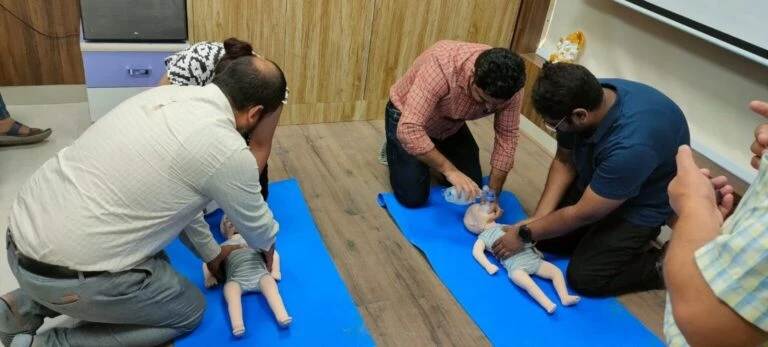
• Routine training for all ICU staff to maintain competence in current safety procedures and emerging best practices.
• Family education and communication, helping attendants understand ICU processes, restrictions, and how they can contribute to patient safety.
These combined strategies create a robust framework that supports both patient safety and clinical effectiveness in the intensive care setting.
At NIAC, we work with hospitals to implement structured ICU systems, remote monitoring solutions, and expert clinical oversight to ensure safe, standardized, and effective intensive care. Our goal is to make every ICU a center of excellence – where every patient receives the highest level of critical care, 24×7.































Sign in to leave a comment.