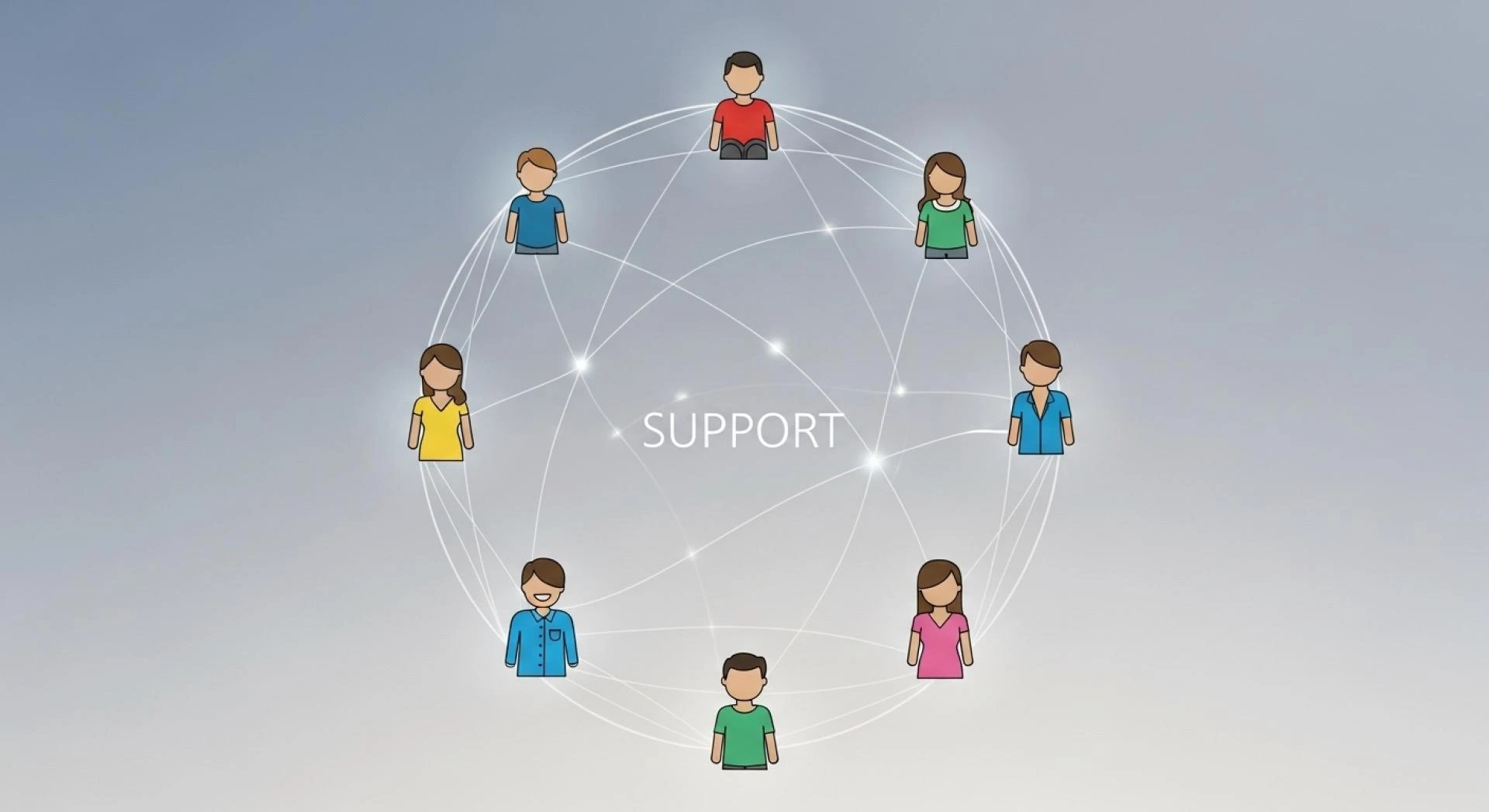

Recovering from alcohol addiction is a deeply personal journey that requires structure, accountability, and professional guidance. While inpatient rehab is necessary for some individuals, many people benefit from a flexible yet structured level of care known as Intensive Outpatient Treatment (IOP). This model allows individuals to receive comprehensive therapy while continuing to live at home and maintain daily responsibilities.
For those exploring their options, understanding the benefits of intensive outpatient alcohol treatment can help clarify whether this level of care is the right fit.
What Is Intensive Outpatient Alcohol Treatment?
Intensive Outpatient Alcohol Treatment is a structured recovery program designed for individuals who need more support than traditional outpatient therapy but do not require 24/7 supervision.
Typically, IOP includes:
- Multiple therapy sessions per week
- Individual counseling
- Group therapy
- Relapse prevention education
- Family therapy
- Medication management (if needed)
This approach combines flexibility with accountability, allowing participants to practice recovery skills in real-world settings while receiving ongoing professional support.
Providing Structure Without Full-Time Residential Care
One of the key ways intensive outpatient alcohol treatment supports recovery is by offering consistent structure.
Alcohol addiction often disrupts daily routines and healthy habits. IOP helps restore stability by:
- Setting scheduled treatment hours
- Creating weekly recovery goals
- Monitoring progress regularly
- Encouraging accountability
Participants attend treatment several days per week, which helps reduce isolation and reinforces healthy behaviors without removing them entirely from their home environment.
Addressing the Root Causes of Alcohol Use
Sustainable recovery goes beyond stopping alcohol use; it requires understanding why it started.
Many individuals struggling with alcohol misuse also face:
- Anxiety or depression
- Trauma history
- Stress-related disorders
- Relationship challenges
- Co-occurring substance use
Through evidence-based therapies like Cognitive Behavioral Therapy (CBT) and Dialectical Behavior Therapy (DBT), intensive outpatient alcohol treatment helps individuals identify triggers, reshape unhealthy thought patterns, and develop healthier coping mechanisms.
Building Healthy Coping Skills
Alcohol is often used as a way to cope with stress, emotions, or social anxiety. IOP focuses on replacing that coping mechanism with healthier alternatives.
Participants learn:
- Emotional regulation strategies
- Stress management techniques
- Communication skills
- Conflict resolution tools
- Mindfulness and grounding practices
These tools are practiced both inside and outside of therapy sessions, making the learning process practical and applicable to daily life.
Encouraging Peer Support and Community
Group therapy is a cornerstone of intensive outpatient alcohol treatment. Sharing experiences with others facing similar struggles fosters connection and reduces shame.
Peer support helps individuals:
- Realize they are not alone
- Gain new perspectives
- Practice vulnerability
- Build accountability
- Celebrate milestones
A supportive community often becomes a powerful motivator for long-term recovery.
Allowing Real-World Practice of Recovery Skills
Unlike inpatient programs, IOP allows participants to return home after sessions. This structure creates opportunities to apply recovery skills immediately in real-life situations.
For example:
- Navigating social events without alcohol
- Managing work-related stress
- Setting healthy boundaries
- Rebuilding family relationships
Challenges that arise can then be processed during therapy sessions, providing continuous learning and growth.
Supporting Dual Diagnosis Treatment
Many individuals with alcohol use disorder also experience co-occurring mental health conditions. Untreated mental health symptoms can increase the risk of relapse.
A quality intensive outpatient alcohol treatment program addresses both conditions simultaneously by:
- Providing psychiatric evaluations
- Offering medication management
- Integrating mental health therapy
- Monitoring symptom improvement
Treating both alcohol use and mental health concerns together leads to stronger and more sustainable recovery outcomes.
Strengthening Family Relationships
Alcohol addiction often impacts family dynamics. Rebuilding trust and improving communication is a critical part of the recovery process.
Many IOPs include family therapy sessions that:
- Educate loved ones about addiction
- Teach healthy boundaries
- Address enabling behaviors
- Promote open communication
Family involvement can significantly increase recovery success rates and provide ongoing support after treatment ends.
Creating a Clear Aftercare Plan
Recovery does not end when an intensive outpatient program concludes. A strong program helps participants prepare for long-term success through:
- Continued outpatient therapy referrals
- Support group recommendations
- Alumni programs
- Relapse prevention planning
- Community resource connections
Having a structured aftercare plan reduces the likelihood of relapse and reinforces long-term accountability.
Who Benefits Most From Intensive Outpatient Alcohol Treatment?
IOP may be ideal for individuals who:
- Have completed detox or inpatient treatment
- Have a stable living environment
- Do not require 24-hour medical supervision
- Are motivated to participate in therapy
- Need structured support while maintaining work or family responsibilities
A professional assessment can help determine whether this level of care aligns with an individual’s recovery needs.
The Long-Term Impact of Structured Outpatient Care
Research consistently shows that structured treatment combined with community support significantly improves recovery outcomes. Intensive outpatient alcohol treatment provides:
- Ongoing accountability
- Therapeutic guidance
- Emotional support
- Skill-building opportunities
- Practical relapse prevention strategies
Rather than simply stopping alcohol use, this approach helps individuals build a sustainable, balanced lifestyle centered on health and stability.
Final Thoughts
Recovery from alcohol addiction is not a one-size-fits-all process. For many individuals, intensive outpatient alcohol treatment offers the ideal balance of flexibility and structure. It provides professional guidance, emotional support, and practical skill development—without requiring full-time residential care.
By addressing the root causes of alcohol use, building healthier coping strategies, and fostering strong support systems, IOP empowers individuals to create lasting change and move confidently toward long-term recovery.
Frequently Asked Questions
1. How long does intensive outpatient alcohol treatment usually last?
Most programs last between 8 and 12 weeks, though the duration may vary based on individual progress and clinical needs.
2. Can I work while attending an IOP for alcohol treatment?
Yes. Intensive outpatient programs are designed to allow participants to continue working or attending school while receiving treatment.
3. Is detox required before starting IOP?
If someone is physically dependent on alcohol, medical detox may be recommended before beginning outpatient treatment to ensure safety.
4. Does insurance typically cover intensive outpatient alcohol treatment?
Many insurance plans cover IOP services, but coverage details vary. It is important to verify benefits with both the provider and the treatment center.































Sign in to leave a comment.