

Mental health challenges such as anxiety, depression, trauma, and chronic stress affect millions of people each year. While some individuals benefit from traditional weekly therapy, others may need a higher level of structured care without requiring hospitalization. This is where Intensive Outpatient Programs (IOPs) play an important role.
An IOP offers structured mental health support through therapy sessions, skill-building activities, and professional guidance while allowing participants to continue living at home. Before deciding to join an IOP, it is important to understand how these programs work, what they offer, and how they can support recovery.
If you want a deeper understanding of program structure and expectations, you can learn more about IOP mental health programs and how they help individuals manage mental health challenges.
What Is an Intensive Outpatient Program?
An Intensive Outpatient Program is a structured mental health treatment program designed for individuals who need more support than traditional therapy but do not require inpatient care.
Participants attend therapy sessions multiple days per week while continuing their regular daily responsibilities such as work, school, or family commitments. This balance allows individuals to apply what they learn in therapy to real-life situations immediately.
IOPs typically include a combination of treatment methods, including:
- Individual therapy sessions
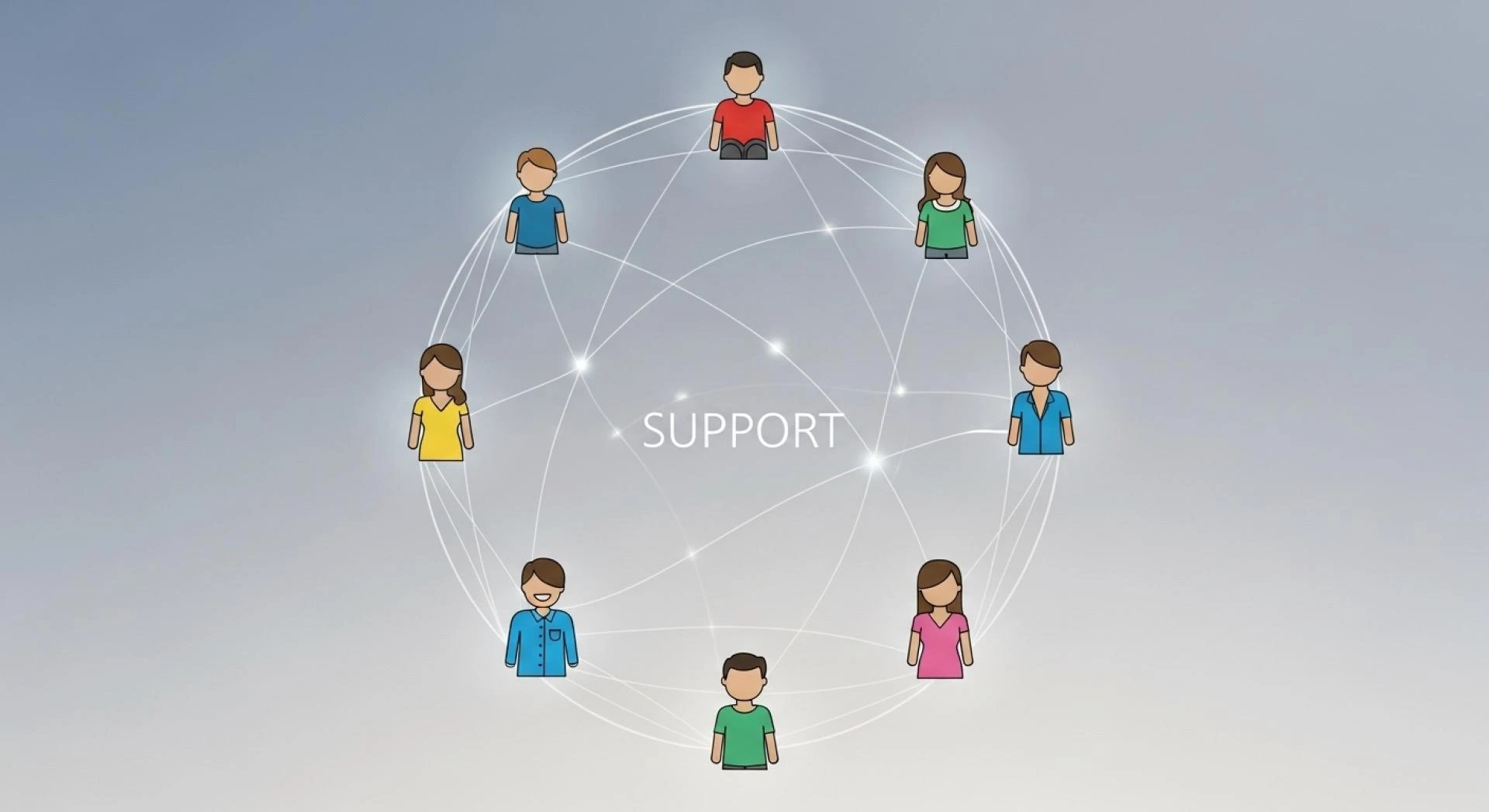
- Group counseling and peer support
- Behavioral therapy techniques
- Stress management and coping skill training
- Medication management when necessary
These programs help individuals build practical skills that support long-term emotional stability and improved mental health.
Who Should Consider an IOP?
IOPs are designed for individuals who need consistent therapeutic support but still want to maintain their daily routines. These programs can be beneficial for people experiencing moderate mental health symptoms that interfere with daily life.
Individuals who may benefit from an IOP include those experiencing:
- Persistent anxiety or depression
- Emotional regulation difficulties
- Trauma-related stress
- Relationship challenges or life transitions
- Co-occurring mental health and substance use concerns
For many individuals, an IOP provides the structured environment needed to develop healthier coping strategies while still maintaining independence.
Evidence-Based Treatment Approaches
A key factor to consider when choosing an IOP is whether the program uses evidence-based treatment methods. Evidence-based therapies are supported by research and have been shown to improve mental health outcomes.
Common therapies used in IOP programs include:
Cognitive Behavioral Therapy (CBT)
CBT helps individuals identify and change negative thought patterns that influence emotions and behaviors. This therapy focuses on practical strategies that can be applied in daily life.
Dialectical Behavior Therapy (DBT)
DBT focuses on emotional regulation, distress tolerance, and interpersonal effectiveness. It is especially helpful for individuals who struggle with intense emotions or impulsive behaviors.
Group Therapy
Group therapy sessions allow participants to share experiences and learn from others facing similar challenges. This environment helps reduce feelings of isolation and builds a sense of community.
Research from the National Institute of Mental Health highlights the importance of structured therapy and evidence-based approaches in improving outcomes for individuals experiencing mental health disorders.
What a Typical IOP Schedule Looks Like
The structure of an Intensive Outpatient Program may vary depending on the provider, but most programs follow a similar weekly schedule.
Participants usually attend sessions three to five days per week, with each session lasting two to four hours. During this time, individuals engage in different therapeutic activities designed to support emotional growth and recovery.
A typical program schedule may include:
- Group therapy discussions
- Individual counseling sessions
- Skill-building workshops
- Stress management training
- Mindfulness or relaxation exercises
This structured approach provides consistent support while helping participants develop new coping strategies.
Preparing to Start an IOP Program
Beginning any mental health treatment program can feel overwhelming at first. However, preparing in advance can make the transition easier and help participants gain the most benefit from the experience.
Set Clear Goals
Before starting the program, it can be helpful to identify personal goals for treatment. These goals might include managing anxiety, improving emotional regulation, or strengthening relationships.
Organize Your Schedule
Because IOPs require regular attendance, participants should plan their schedules carefully to ensure they can attend sessions consistently.
Build a Support System
Having supportive friends, family members, or mentors can help reinforce the progress made during therapy sessions.
Stay Open to the Process
Mental health recovery takes time. Remaining engaged in therapy and practicing new coping skills outside of sessions helps individuals achieve long-term progress.
Benefits of Intensive Outpatient Programs
IOPs provide several important advantages for individuals seeking mental health treatment.
Structured Support
Participants receive consistent therapy and professional guidance throughout the program.
Flexibility
Unlike inpatient treatment, IOPs allow individuals to continue living at home and maintaining work or school responsibilities.
Peer Support
Group sessions create opportunities to connect with others who understand similar experiences.
Practical Coping Skills
Participants learn tools that help them manage stress, regulate emotions, and improve communication.
These benefits make IOPs a valuable option for individuals seeking meaningful mental health support while maintaining independence.
The Importance of Aftercare
Completing an Intensive Outpatient Program is a significant achievement, but continued care often plays a critical role in maintaining progress. Aftercare plans help individuals sustain the skills they learned during treatment.
Aftercare may include:
- Continued individual therapy
- Support groups
- wellness check-ins with mental health professionals
- relapse prevention planning
These ongoing supports help individuals maintain stability and continue building healthier habits over time.
Final Thoughts
Joining an Intensive Outpatient Program can be an important step toward improving mental health and building long-term resilience. These programs provide structured therapy, supportive communities, and practical tools that help individuals manage emotional challenges more effectively.
By understanding how IOP programs work and what to expect before enrolling, individuals can approach treatment with confidence and clarity. With the right professional guidance and personal commitment, an IOP can support meaningful progress and lasting mental wellness.
Frequently Asked Questions
How is an IOP different from inpatient treatment?
IOP participants attend scheduled therapy sessions while living at home, whereas inpatient programs require individuals to stay at a treatment facility full-time.
How long do IOP programs usually last?
Most programs last between 8 and 12 weeks, although the length may vary depending on individual needs and progress.
Can I work while attending an IOP?
Yes. Many IOPs are designed with flexible schedules that allow participants to continue working or attending school.
Are Intensive Outpatient Programs effective?
Research shows that structured outpatient treatment using evidence-based therapies can significantly improve mental health outcomes.
What happens after completing an IOP?
Participants often continue with outpatient therapy, support groups, or follow-up care to maintain long-term mental wellness.


























Sign in to leave a comment.