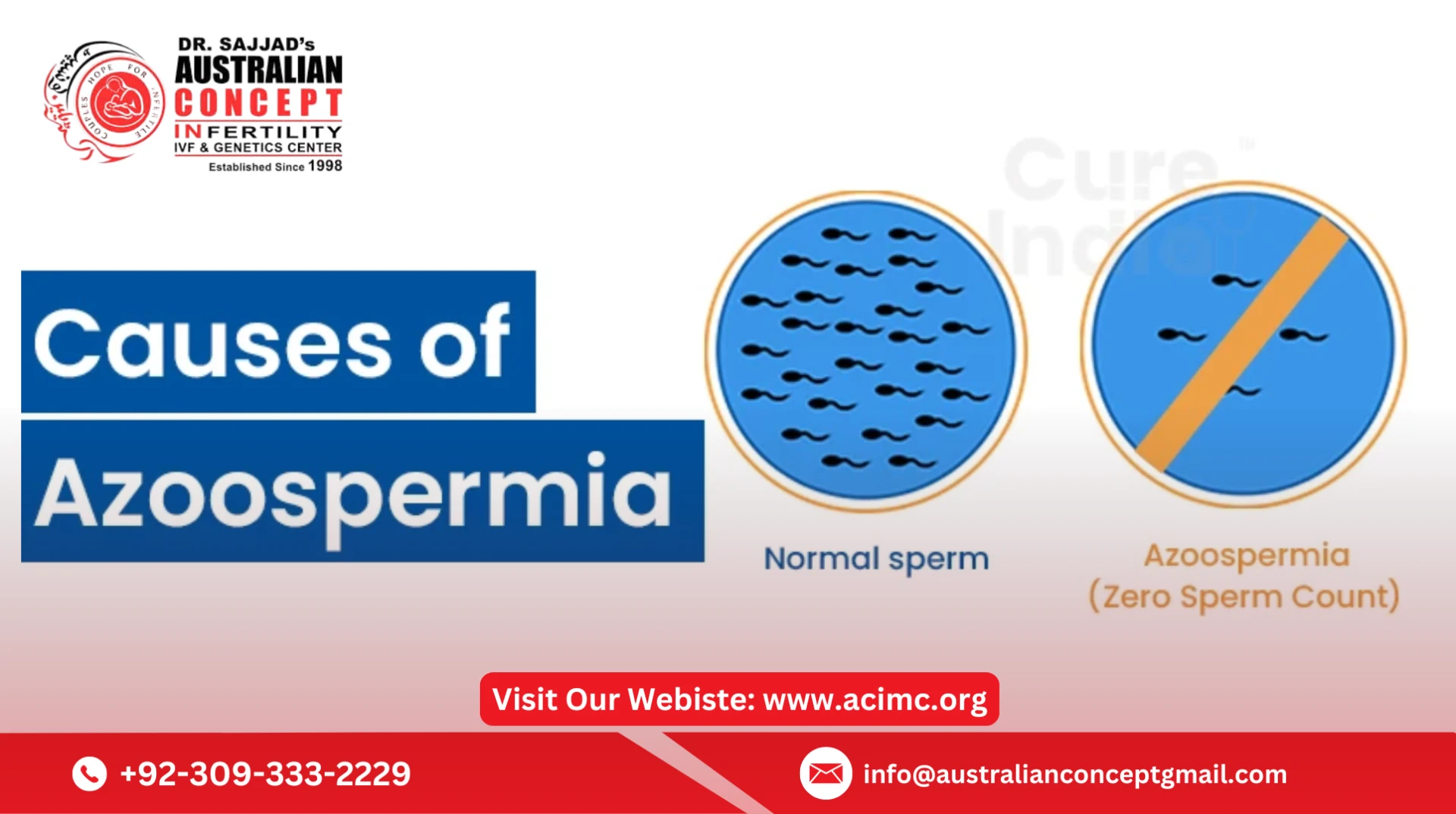

Azoospermia is a condition in which no sperm is found in the semen and is a significant cause of male infertility. However, not all types of azoospermia are the same. One important distinction is obstructive azoospermia, which is treated differently from other forms. Understanding how obstructive azoospermia treatment differs can help couples feel more hopeful and informed about their fertility options.
What Is Obstructive Azoospermia?
Obstructive azoospermia occurs when sperm production in the testes is normal, but a blockage in the male reproductive tract prevents sperm from reaching the semen. This means sperm is present in the body but cannot be ejaculated naturally.
This condition is different from non-obstructive azoospermia, where sperm production itself is impaired.
Common Causes of Obstructive Azoospermia
Blockages can occur at various points in the reproductive system. Common causes include:
- Previous infections of the reproductive tract
- Surgical procedures such as hernia repair
- Congenital absence of the vas deferens
- Injury or trauma to reproductive organs
- Ejaculatory duct obstruction
Identifying the exact location of the blockage is a key step in treatment planning.
How Diagnosis Differs
Diagnosis of obstructive azoospermia involves more than a routine semen test. Specialists often perform:
- Hormone testing, usually showing normal hormone levels
- Physical examination of the testes
- Imaging studies such as ultrasound
- Testicular biopsy or sperm retrieval tests
Normal testicular size and hormone levels often suggest an obstruction rather than a production problem.
How Treatment for Obstructive Azoospermia Is Different
The main difference in treatment lies in the fact that sperm production is usually normal. This allows for more targeted and often more successful treatment options.
Surgical Correction of Blockage
In some cases, specialists can surgically remove or bypass the blockage. Procedures may include:
- Vasovasostomy
- Vasoepididymostomy
- Correction of ejaculatory duct obstruction
When successful, surgery may allow natural ejaculation of sperm and even natural conception.
Sperm Retrieval Techniques
If surgery is not possible or not preferred, sperm can be directly retrieved from the reproductive organs. Common methods include:
- Percutaneous epididymal sperm aspiration (PESA)
- Testicular sperm extraction (TESE)
- Testicular sperm aspiration (TESA)
Retrieved sperm can then be used in assisted fertility treatments.
Use of Assisted Reproductive Techniques
Because sperm quality is often good, assisted methods such as ICSI are highly effective for obstructive azoospermia. Injecting a single healthy sperm into an egg helps achieve fertilization even when sperm cannot be ejaculated naturally.
Success rates are generally higher compared to treatments for non-obstructive azoospermia.
Recovery and Treatment Outcomes
Recovery from sperm retrieval procedures is usually quick, with minimal discomfort. Most patients return to normal activities within a short time. Pregnancy outcomes are often favorable because sperm production is normal and healthy.
Emotional and Psychological Considerations
Learning about azoospermia can be emotionally challenging. However, couples facing obstructive azoospermia often find reassurance knowing that effective treatment options are available. Counseling and clear communication with specialists help reduce anxiety and improve confidence.
Final Thoughts
Treatment for obstructive azoospermia is different because sperm production is typically normal, making treatment more focused and often more successful. With options such as surgical correction, sperm retrieval, and advanced fertility techniques, many men with obstructive azoospermia can still achieve biological parenthood. Early diagnosis and expert care play a crucial role in achieving positive outcomes.
For More Details: https://acimc.org/ivf-lahore/


























Sign in to leave a comment.