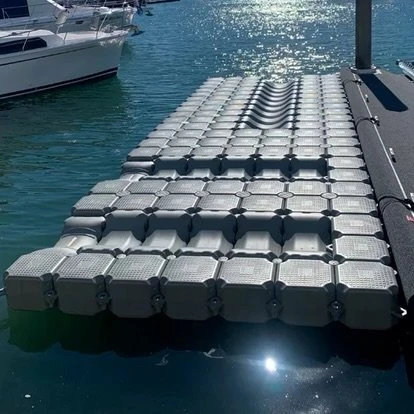

Watersports have long been a popular pastime for adventure seekers, nature enthusiasts, and those looking to escape the monotony of daily life. From kayaking and paddleboarding to wakeboarding and jet skiing, the allure of gliding across the water is undeniable. Among these activities, jet skiing has emerged as one of the most thrilling and accessible options for people of all ages. However, the rise of jet skiing as a mainstream watersport wouldn’t have been possible without the development of specialized infrastructure to support it. Enter jet ski docks, a game-changer in the world of watersports. These innovative structures have not only made jet skiing more convenient but have also played a pivotal role in promoting and sustaining the growth of watersports as a whole.
The Evolution of Watersports Infrastructure
Before the advent of jet ski docks, watersports enthusiasts faced numerous challenges. Storing and launching jet skis was often a cumbersome process, requiring trailers, ramps, and significant physical effort. For those living near lakes, rivers, or coastal areas, the lack of proper facilities meant that enjoying a quick jet ski ride was far from hassle-free. This inconvenience limited the accessibility of jet skiing, making it a niche activity reserved for those with the time and resources to overcome these logistical hurdles.
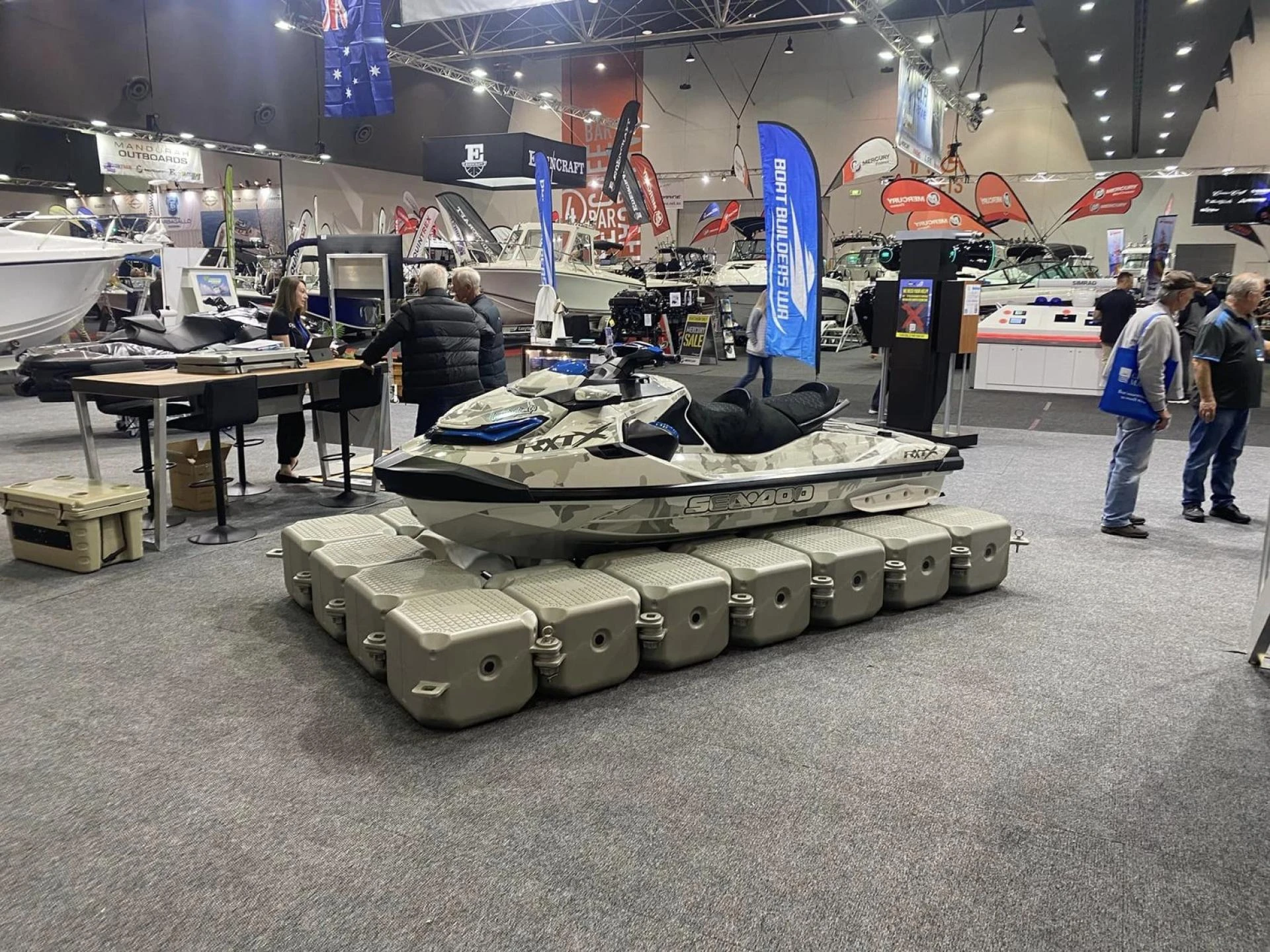
The introduction of these docks revolutionized this dynamic. These docks are specifically designed to accommodate personal watercraft, providing a secure and convenient way to store, launch, and retrieve jet skis. By eliminating the need for trailers and ramps, they have made it easier than ever for people to enjoy this exhilarating sport. Whether installed in private marinas, public waterways, or residential properties, these docks have become an essential component of modern watersports infrastructure.
Enhancing Accessibility and Convenience
One of the most significant ways these efficient docks have facilitated watersports is by enhancing accessibility. For many, the idea of owning a jet ski was once daunting due to the associated storage and maintenance challenges. Traditional methods of storing jet skis on trailers or in garages were not only space-consuming but also required regular upkeep to prevent damage from exposure to the elements.
These have addressed these issues by offering a practical and efficient storage solution. These docks are typically equipped with floating platforms, adjustable bunks, and secure tie-downs, ensuring that jet skis remain safe and stable even in fluctuating water conditions. This level of convenience has encouraged more people to invest in personal watercraft, thereby expanding the watersports community.
Moreover, the ease of access provided by jet ski docks has made it possible for enthusiasts to enjoy spontaneous outings. No longer do individuals need to spend hours preparing their equipment or navigating crowded boat ramps. With a jet ski dock, launching and retrieving a jet ski can be done in a matter of minutes, allowing for more frequent and enjoyable experiences on the water.
Promoting Safety and Environmental Responsibility
In addition to convenience, these docks have also contributed to the safety and environmental sustainability of watersports. Traditional launching methods often involved driving vehicles onto boat ramps, which could lead to accidents, especially in busy or poorly maintained areas. They eliminate this risk by providing a dedicated space for personal watercraft, reducing congestion and improving overall safety.
From an environmental perspective, such docks help minimize the impact of watersports on aquatic ecosystems. By keeping jet skis securely moored, these docks prevent accidental spills of fuel or oil into the water. Additionally, many modern docks are constructed using eco-friendly materials and designs that reduce their environmental footprint. This commitment to sustainability ensures that watersports can continue to thrive without compromising the health of our waterways.
Boosting Local Economies and Tourism
The proliferation has also had a positive economic impact, particularly in regions where watersports are a major attraction. Coastal towns, lakeside communities, and tourist destinations have embraced the installation of these docks as a way to attract visitors and boost local businesses. By providing easy access to jet skiing and other watersports, these areas have seen an increase in tourism revenue, with visitors spending money on rentals, equipment, dining, and accommodations.
Furthermore, the presence of ski docks has spurred the growth of related industries, such as jet ski rental services, guided tours, and watersports training programs. These businesses not only create jobs but also contribute to the overall vibrancy of the local economy. As a result, jet ski docks have become a valuable asset for communities looking to capitalize on the popularity of watersports.
Fostering a Sense of Community
Beyond their practical benefits, these docks have also played a role in fostering a sense of community among watersports enthusiasts. These docks often serve as gathering points where like-minded individuals can connect, share experiences, and form lasting friendships. Whether it’s a group of friends launching their jet skis for a day of fun or a family enjoying a weekend on the water, these docks provide a space for people to come together and create cherished memories.
In addition, many ski docks are located in areas that host watersports events and competitions. These gatherings not only showcase the skills of talented athletes but also inspire others to take up the sport. By providing a central hub for these activities, jet ski docks help cultivate a vibrant and inclusive watersports culture.
The Future of Watersports with Jet Ski Docks
As watersports continue to grow in popularity, the role of jet ski docks will only become more significant. Advances in technology and design are likely to lead to even more innovative and user-friendly dock solutions, further enhancing the experience for enthusiasts. From solar-powered charging stations for electric jet skis to smart docks equipped with GPS and maintenance alerts, the possibilities are endless.
Moreover, the increasing emphasis on sustainability and environmental responsibility will drive the development of eco-conscious docks that minimize their impact on natural ecosystems. These advancements will ensure that watersports remain a viable and enjoyable activity for generations to come.
Conclusion
In conclusion, jet ski docks have been instrumental in facilitating the growth and accessibility of watersports. By providing a convenient, safe, and environmentally friendly solution for storing and launching personal watercraft, these docks have removed many of the barriers that once limited participation in jet skiing. Their impact extends beyond individual enthusiasts, benefiting local economies, promoting community engagement, and supporting the broader watersports industry. As we look to the future, it’s clear that these docks will continue to play a vital role in shaping the world of watersports, making it easier and more enjoyable for everyone to experience the thrill of life on the water.




























Sign in to leave a comment.