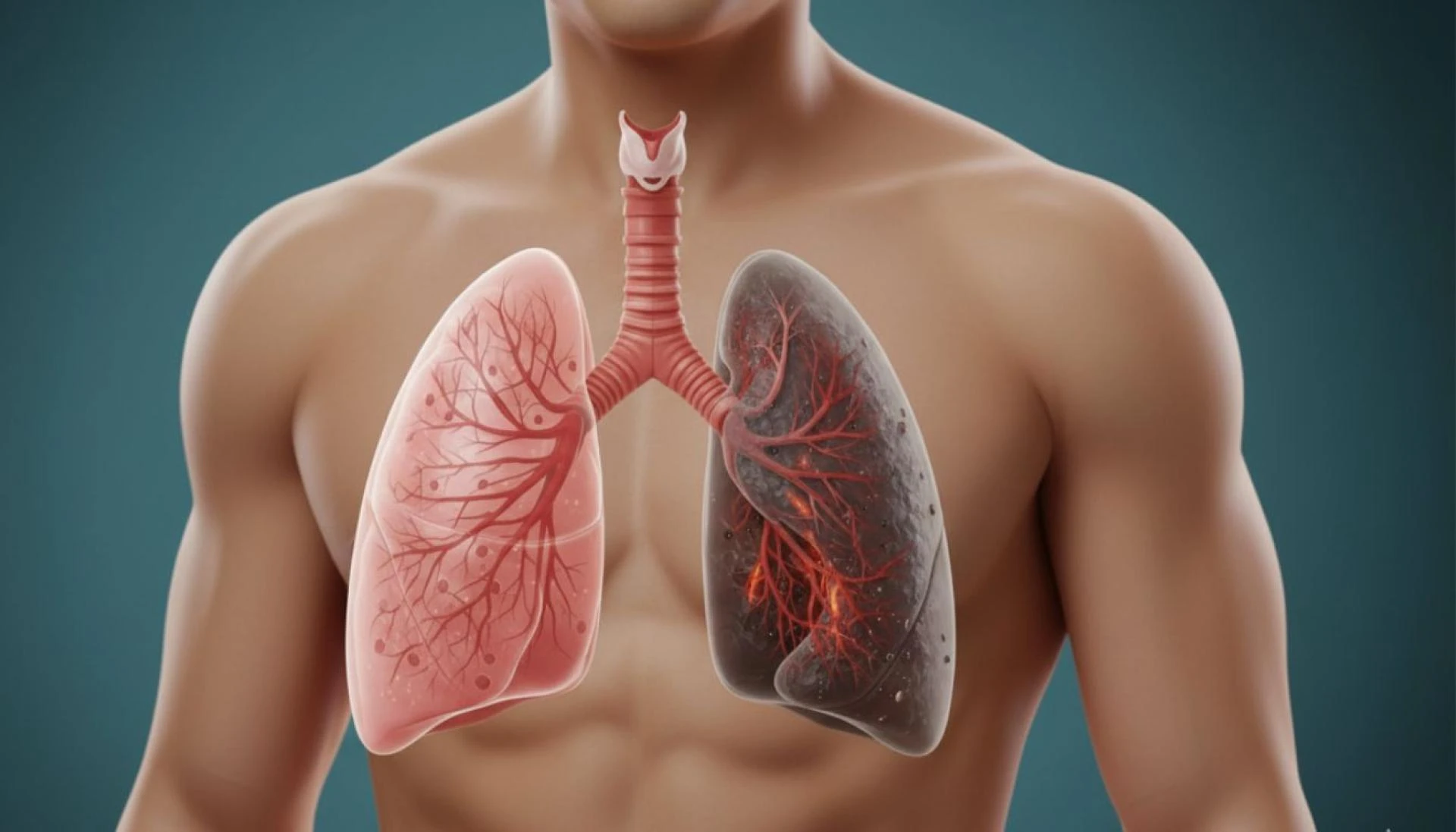

Kolkata is one of India’s most vibrant cities — but it also ranks among the country's most polluted. From vehicle emissions and construction dust to industrial smoke and garbage burning, the city’s air is often filled with harmful pollutants that pose serious threats to lung health.
Prolonged exposure to air pollution can lead to a rise in asthma, COPD, bronchitis, lung infections, and even lung cancer. At Calcutta Heart Clinic & Hospital, pulmonologists are seeing a sharp increase in patients reporting respiratory symptoms linked directly to poor air quality.
In this blog, we’ll explore how air pollution impacts your lungs and what practical steps you can take to protect yourself and your family.
Understanding Air Pollution in Kolkata
Pollution in Kolkata is driven by a combination of factors:
- High number of diesel vehicles and two-stroke engines
- Ongoing construction across urban areas
- Burning of plastic, biomass, and waste
- Poor ventilation in congested residential colonies
- Seasonal changes and temperature inversions in winter
These sources release tiny particles called PM2.5 and PM10, along with gases like nitrogen dioxide (NO₂), sulfur dioxide (SO₂), ozone (O₃), and carbon monoxide (CO) — all of which are harmful when inhaled regularly.
How Air Pollution Affects Your Lungs
1. Inflammation of Airways
Polluted air irritates the lining of your respiratory tract, causing coughing, throat discomfort, and chest tightness. People with asthma or allergies often see a worsening of symptoms during high pollution days.
2. Reduced Lung Function
Long-term exposure to fine particles and gases can reduce lung capacity and make breathing more difficult, especially in children and elderly individuals.
3. Higher Risk of Asthma and Bronchitis
Pollutants act as triggers for asthma attacks and chronic bronchitis, especially in those with a family history or history of smoking. Children are particularly vulnerable due to their developing lungs.
4. Worsening of COPD
For people already diagnosed with COPD, even short-term spikes in pollution levels can lead to exacerbations — leading to more hospital visits and long-term lung damage.
5. Increased Infection Risk
Polluted air weakens the lung's natural defenses, making it easier for viruses and bacteria to cause infections such as pneumonia or tuberculosis.
6. Long-Term Cancer Risk
Repeated exposure to toxic particles has been linked to increased risk of lung cancer, especially in urban environments with high pollution levels and tobacco exposure.
Who Is Most at Risk?
- Children: Developing lungs are more sensitive to pollutants
- Elderly: Age-related decline in immunity and lung capacity
- Patients with asthma, COPD, or heart disease
- Outdoor workers: Traffic police, street vendors, construction workers
- Pregnant women: Exposure can affect both mother and child
What You Can Do to Protect Your Lungs
1. Monitor Air Quality Daily
Check local AQI (Air Quality Index) before stepping out, especially during early mornings and winter evenings when pollution levels peak.
2. Use N95 or N99 Masks
Surgical masks don’t offer sufficient protection from fine particles. Invest in a certified mask for daily outdoor use.
3. Avoid High-Traffic Areas
Choose walking routes away from busy roads, and avoid standing near idling vehicles.
4. Improve Indoor Air Quality
- Use exhaust fans and air purifiers
- Avoid incense sticks, mosquito coils, and indoor smoking
- Keep windows closed on high pollution days
5. Stay Hydrated and Eat Antioxidant-Rich Foods
A balanced diet with vitamin C, omega-3s, and leafy greens supports lung health. Turmeric and ginger can help reduce inflammation.
6. Schedule Regular Lung Checkups
At Calcutta Heart Clinic & Hospital, patients at risk of pollution-related lung issues are encouraged to undergo:
- Pulmonary Function Tests (PFTs)
- Chest X-rays
- Specialist consultations with pulmonologists
- Vaccinations for flu and pneumonia
Early detection and preventive care are key to avoiding long-term damage.
How Calcutta Heart Clinic Helps You Breathe Better
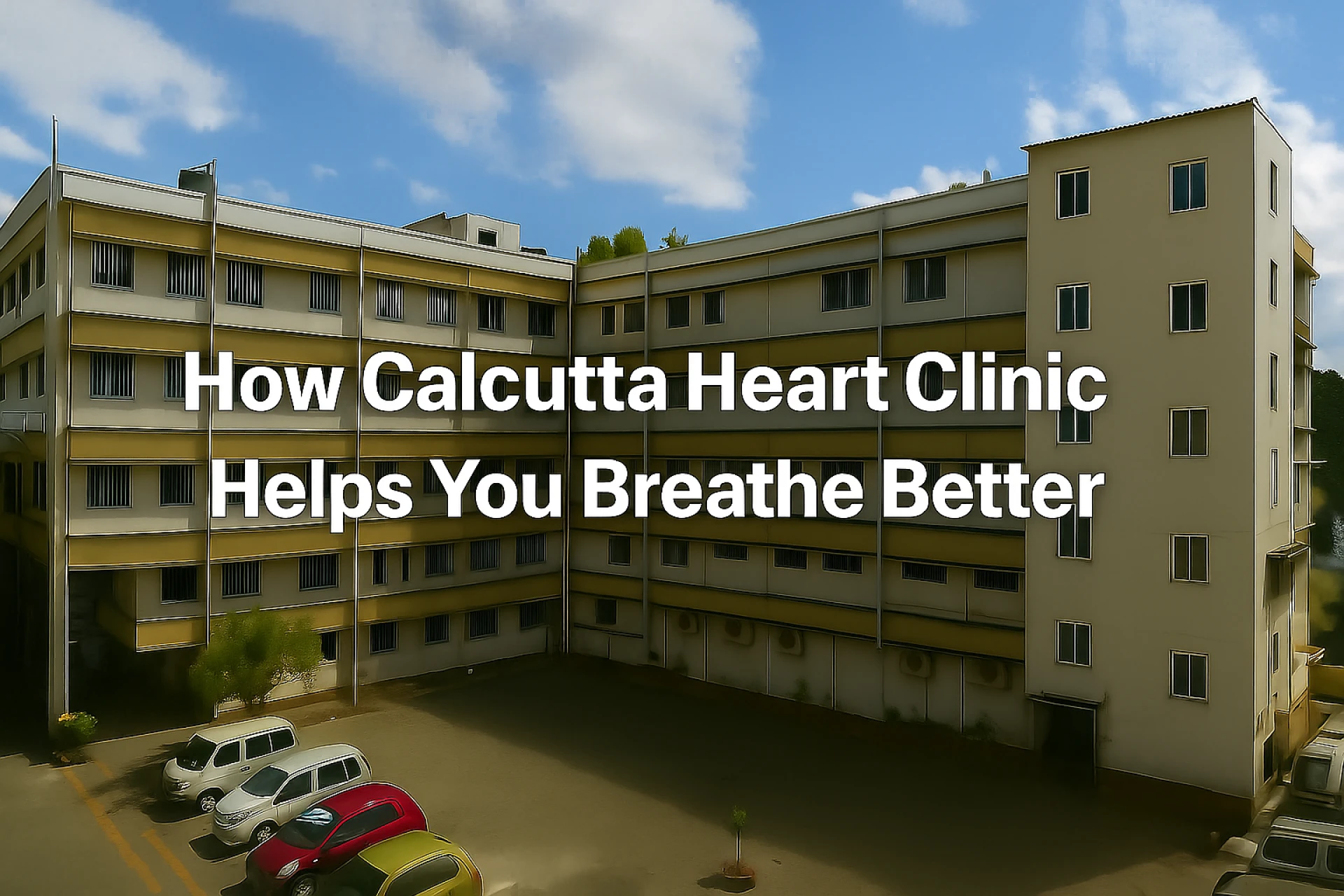
Located in Salt Lake, Calcutta Heart Clinic & Hospital offers:
- Dedicated Pulmonology Department
- Skilled and experienced lung specialists
- Comprehensive diagnostic services under one roof
- Affordable treatment packages under a charitable trust
- Preventive care and post-COVID lung support programs
Whether you're experiencing frequent coughing, unexplained fatigue, or difficulty breathing, the team at Calcutta Heart Clinic provides personalized, ethical, and affordable care.
Final Thoughts
Air pollution may be an unavoidable part of life in a growing city like Kolkata, but its impact on your lungs doesn’t have to be. With awareness, protective habits, and timely medical support, you can reduce the risk and keep your respiratory system strong.
If you or a loved one is facing breathing problems, don’t wait. Schedule a consultation with a pulmonologist at Calcutta Heart Clinic & Hospital and take the first step toward healthier lungs.































Sign in to leave a comment.