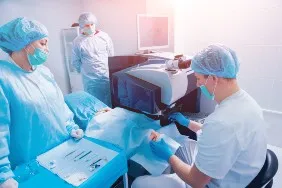

For millions of people worldwide, LASIK has provided a life-changing alternative to the daily reliance on glasses and contact lenses. However, one of the most common questions potential patients ask is whether the results are truly permanent or if they will eventually need corrective lenses again in the future. While the procedure is designed to be a long-term solution, understanding the nuances of how the eye ages and what the clinical research says about 10- and 20-year outcomes is essential for anyone considering lasik eye surgery in Boston or elsewhere.
The Biological Permanence of LASIK
To understand how long LASIK lasts, one must first understand what the procedure actually does to the eye. During LASIK, a specialized excimer laser is used to remove microscopic amounts of corneal tissue, effectively reshaping the cornea to correct how light focuses on the retina. This reshaping addresses common refractive errors, including nearsightedness (myopia), farsightedness (hyperopia), and astigmatism.
The fundamental reason LASIK is considered permanent is that corneal tissue does not regenerate to its original shape once it has been removed. Unlike other parts of the body that may heal by regrowing lost tissue, the cornea maintains the new curvature created by the laser. In this technical sense, the surgical correction of your prescription at the time of the procedure is a permanent change.
What to Expect: The First Decade (0–10 Years)
Clinical Research consistently shows that the vast majority of patients enjoy stable, clear vision for the first decade following their procedure. According to an extensive study by the FDA’s Patient-Reported Outcomes With LASIK (PROWL) program, more than 95% of patients reported satisfaction with their vision years after surgery, with many maintaining 20/20 vision or better without the need for glasses.
Between years zero and five, most patients experience a period of high stability. While some minor fluctuations may occur during the first three to six months as the cornea fully heals, once vision stabilizes, significant changes are uncommon in patients who were deemed good candidates at the time of surgery.
By the 10-year mark, the original correction typically remains intact. However, a 2020 meta-analysis published in Ophthalmology suggests that approximately 10% of patients may experience some regression after a decade. This means their vision might drift slightly back toward their original prescription, though these changes are often small and can often be addressed with a minor enhancement procedure.
Long-Term Research: The 20-Year Perspective
As LASIK has been performed for decades, researchers now have access to robust data regarding 20-year outcomes. A literature review in the Journal of Refractive Surgery that covered 95 different studies found a 92.6 percent satisfaction rate among LASIK patients.
One of the most significant findings comes from a twenty-year retrospective study evaluating patients treated between 1997 and 2002. This Research found that the mean corrected distance visual acuity was actually higher 20 years after the surgery than it had been before the procedure began. This indicates that even as the eye ages, the functional benefits of the initial surgery persist for the vast majority of patients.
Despite these high success rates, the cumulative effects of time do lead to some retreatment. Over a 20-year period, one large study found that retreatments were performed in about 31 percent of cases. This figure reflects a combination of natural biological regression and the standard age-related changes that affect every human eye, regardless of whether they have had surgery.
Understanding Vision Regression
It is important to distinguish between the "wearing off" of LASIK—which does not happen—and regression. Regression is a biological response where the eye gradually drifts back toward its original refractive state. Research has measured the average regression rate for moderate to high myopia at roughly 0.11 diopters per year over 15 years. This is an incredibly gradual shift that many patients do not even notice in their daily lives.
Several factors can increase the likelihood of regression over time, including:
- High Initial Prescriptions: Patients who were severely nearsighted before surgery are more likely to see some drift.
- Thin Corneas: Thinner corneal tissue prior to surgery can be a risk factor.
- Age at Surgery: Younger patients may experience more shifts as their eyes might still be undergoing subtle natural changes.
For those seeking lasik eye surgery in Boston, a thorough preoperative evaluation is critical to identify these risk factors and set realistic expectations for long-term stability.
The Impact of Natural Aging: Presbyopia and Cataracts
A common misconception is that LASIK will prevent the need for reading glasses later in life. It is vital to understand that LASIK does not stop the natural aging process of the eye.
Presbyopia
Beginning in the early to mid-40s, almost everyone develops presbyopia, which is the gradual stiffening of the eye’s natural lens. This makes it harder to focus on close objects, such as a book or a smartphone screen. Because LASIK treats the cornea (the surface of the eye) and presbyopia is a lens-based issue, the surgery cannot prevent this change. Patients who had LASIK for distance vision in their 20s or 30s will still likely need reading glasses or alternative treatments like monovision LASIK as they reach middle age.
Cataracts
Similarly, cataracts—the clouding of the eye's natural lens—are a standard part of aging caused by genetics, UV exposure, and time. LASIK does not accelerate or prevent cataract formation. If a former LASIK patient eventually needs cataract surgery, the previous corneal reshaping must be accounted for in the calculations for the new intraocular lens. Sharing original surgical records with a cataract surgeon is highly recommended to ensure the most accurate results.
Enhancements and Touch-Ups
If a patient does experience regression or age-related shifts that impact their quality of life, they may be eligible for a LASIK enhancement. This is a quick, minor touch-up procedure performed years after the initial surgery. Modern laser platforms and advanced diagnostic mapping have made these enhancement rates relatively low, often cited at roughly 1 percent per year following the initial year of surgery.
In many cases, the original corneal flap can be gently lifted to apply additional laser correction. However, if many years have passed, a surgeon might recommend a surface-based treatment like PRK instead to reduce risks associated with older flaps. The decision for an enhancement depends on current eye health, remaining corneal thickness, and how much the vision shift affects daily activities.
Choosing the Right Path for Vision Correction
The long-term success of laser vision correction relies heavilyon relies heavily on the technology used and the expertise of the surgical team. Many leading centers use advanced platforms like Intralase® Bladeless LASIK and WaveLight® EX500 Excimer lasers to ensure the most precise initial outcomes. These technologies allow for customized mapping of the eye, which can contribute to greater long-term satisfaction.
For residents exploring LASIK eye surgery in Boston, it is encouraged to seek out fellowship-trained subspecialists who can provide a comprehensive long-term care plan. Even after successful surgery, annual comprehensive eye exams remain essential. These visits allow doctors to monitor for independent age-related conditions like glaucoma, macular degeneration, and cataracts, ensuring that your vision remains protected for decades to come.
Conclusion
Research confirms that LASIK is a highly effective and durable procedure. While it cannot stop the clock on natural age-related changes like presbyopia, the permanent reshaping of the cornea provides stable distance vision for the vast majority of patients for 20 years and beyond. By understanding the difference between surgical permanence and biological aging, patients can move forward with confidence, enjoying the freedom from corrective lenses that LASIK offers throughout the most active decades of their lives.






























Sign in to leave a comment.