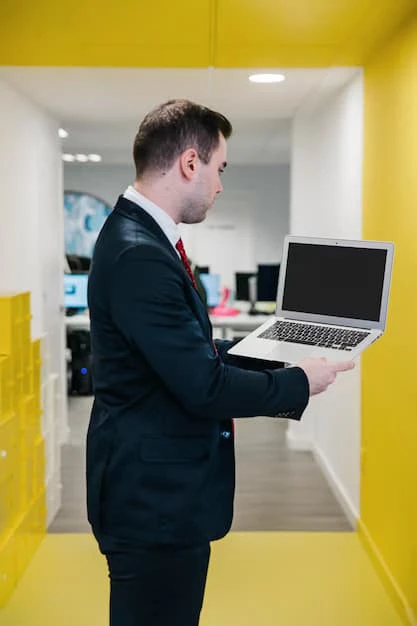

Modern businesses depend heavily on technology to run daily operations, communicate with teams, and serve customers effectively. However, purchasing large numbers of laptops can place a significant financial burden on organizations, especially when technology needs frequent updates. This is where laptops for lease become a practical solution for companies that want to maintain productivity while managing their IT budgets carefully.
Leasing allows organizations to access modern devices without making large upfront investments. Instead of purchasing equipment outright, businesses can spread costs across predictable payments while ensuring employees have reliable devices. This approach supports financial planning and allows IT departments to allocate resources more efficiently. By choosing leasing instead of buying, many companies gain greater flexibility, improved budgeting control, and easier technology management.
Understanding Laptop Leasing in Business Environments
Laptop leasing refers to a financial arrangement in which organizations use laptops for a fixed period while paying regular installments rather than purchasing them outright. At the end of the lease term, companies may upgrade, renew, or return the devices depending on their needs. This system helps businesses keep their technology updated without making large capital expenditures.
Many companies rely on laptops for communication, data management, and collaboration. Leasing offers a structured approach to obtaining these devices without disrupting financial planning. Instead of allocating a large portion of the budget to hardware purchases, organizations can distribute costs evenly over time.
The approach also allows businesses to adapt quickly when technology requirements change. As software evolves and security standards improve, leased devices can be updated or replaced more easily than purchased equipment. This flexibility plays an important role in modern IT strategies.
Why IT Budget Management Matters for Businesses
IT budgets cover hardware, software, maintenance, security systems, and technical support. For many organizations, managing these expenses efficiently is essential for maintaining stability and growth. Technology investments must support operations while remaining financially sustainable.
Without proper budgeting, businesses may overspend on hardware or struggle to upgrade outdated systems. Unexpected expenses related to device replacement or repairs can also disrupt financial plans. When laptops fail or become outdated, replacing them all at once can create sudden financial pressure.
A structured approach to technology investment helps prevent these issues. Leasing provides predictable costs and simplifies long term planning. This allows IT departments and financial teams to collaborate more effectively while maintaining control over spending.
Predictable Monthly Costs Improve Financial Planning
Stable Budget Allocation
One of the primary advantages of leasing laptops is the ability to maintain predictable monthly costs. Instead of a large one time purchase, businesses make smaller payments over a defined period. This predictable structure makes it easier to plan IT budgets.
Stable payments help financial teams allocate funds more accurately. Departments can forecast expenses and avoid sudden spending spikes. This type of consistency supports long term financial stability and prevents technology investments from disrupting other operational priorities.
Predictable costs also help businesses compare leasing expenses against productivity benefits. When organizations clearly understand their technology spending, they can make more informed decisions about equipment upgrades and expansion.
Reduced Upfront Investment
Purchasing laptops in large quantities requires significant upfront capital. For small and medium sized organizations, this can limit available funds for other important areas such as hiring, marketing, or infrastructure improvements.
Leasing reduces this initial financial burden by spreading costs across manageable payments. Instead of tying up large amounts of capital in hardware, businesses can maintain stronger cash flow. This allows them to invest in other strategic priorities that contribute to growth.
Lower upfront costs also make it easier for organizations to equip entire teams with reliable devices. Rather than purchasing a limited number of laptops due to budget constraints, companies can ensure all employees have access to the tools they need.
Easier Technology Upgrades and Lifecycle Management
Staying Current with Technology
Technology evolves quickly, and laptops that perform well today may become outdated within a few years. Businesses that purchase equipment outright often struggle to keep up with changing performance and security requirements.
Leasing allows organizations to upgrade devices at the end of each lease term. This means employees can continue working with modern laptops that support current software and applications. Updated hardware often improves productivity and reduces compatibility issues.
Regular upgrades also help businesses maintain strong security standards. Newer laptops often include improved encryption, faster processors, and better operating system support. Leasing ensures organizations can adopt these improvements without major financial strain.
Simplified Device Replacement
Hardware failures can disrupt business operations and lead to unexpected expenses. When organizations own their laptops, they must handle repairs or replacements directly, which can increase maintenance costs over time.
Leasing arrangements often include options for replacing outdated or malfunctioning devices more easily. This ensures employees experience fewer interruptions while working. IT departments can manage equipment more efficiently because devices follow a structured lifecycle.
The ability to replace devices according to a planned schedule also prevents sudden large scale purchases. Businesses can upgrade gradually rather than replacing all laptops at once.
Improved Cash Flow Management
Preserving Working Capital
Working capital plays a vital role in maintaining business stability. When companies spend large amounts of money on equipment purchases, it reduces the funds available for other operations.
Leasing laptops helps preserve this capital by distributing costs across manageable payments. Instead of committing large financial resources to hardware, organizations maintain stronger liquidity. This flexibility supports operational stability and allows businesses to respond to new opportunities.
Maintaining available capital also helps companies handle unexpected expenses. Whether dealing with market changes or operational challenges, businesses benefit from having accessible funds rather than having them tied up in purchased equipment.
Supporting Business Growth
As companies expand, their technology requirements increase. New employees require laptops, software access, and reliable systems. Purchasing additional equipment each time a team grows can place pressure on budgets.
Leasing offers a scalable solution for expanding organizations. Businesses can add devices when needed without making large capital investments. This flexibility allows companies to grow without disrupting financial plans.
The ability to scale technology resources efficiently ensures employees always have the tools they need. This contributes to smoother operations and improved productivity.
Simplified IT Asset Management
Organized Device Tracking
Managing a large number of laptops can become complicated if there is no clear system for tracking equipment. Organizations must monitor device usage, maintenance schedules, and replacement timelines.
Leasing arrangements often follow structured contracts that outline device terms and lifecycle stages. This structure helps IT teams maintain organized records of hardware assets. Knowing when devices will be replaced or upgraded simplifies planning.
Organized asset management also helps businesses maintain compliance with internal policies and security standards. IT teams can ensure all devices remain properly configured and updated.
Streamlined Budget Reporting
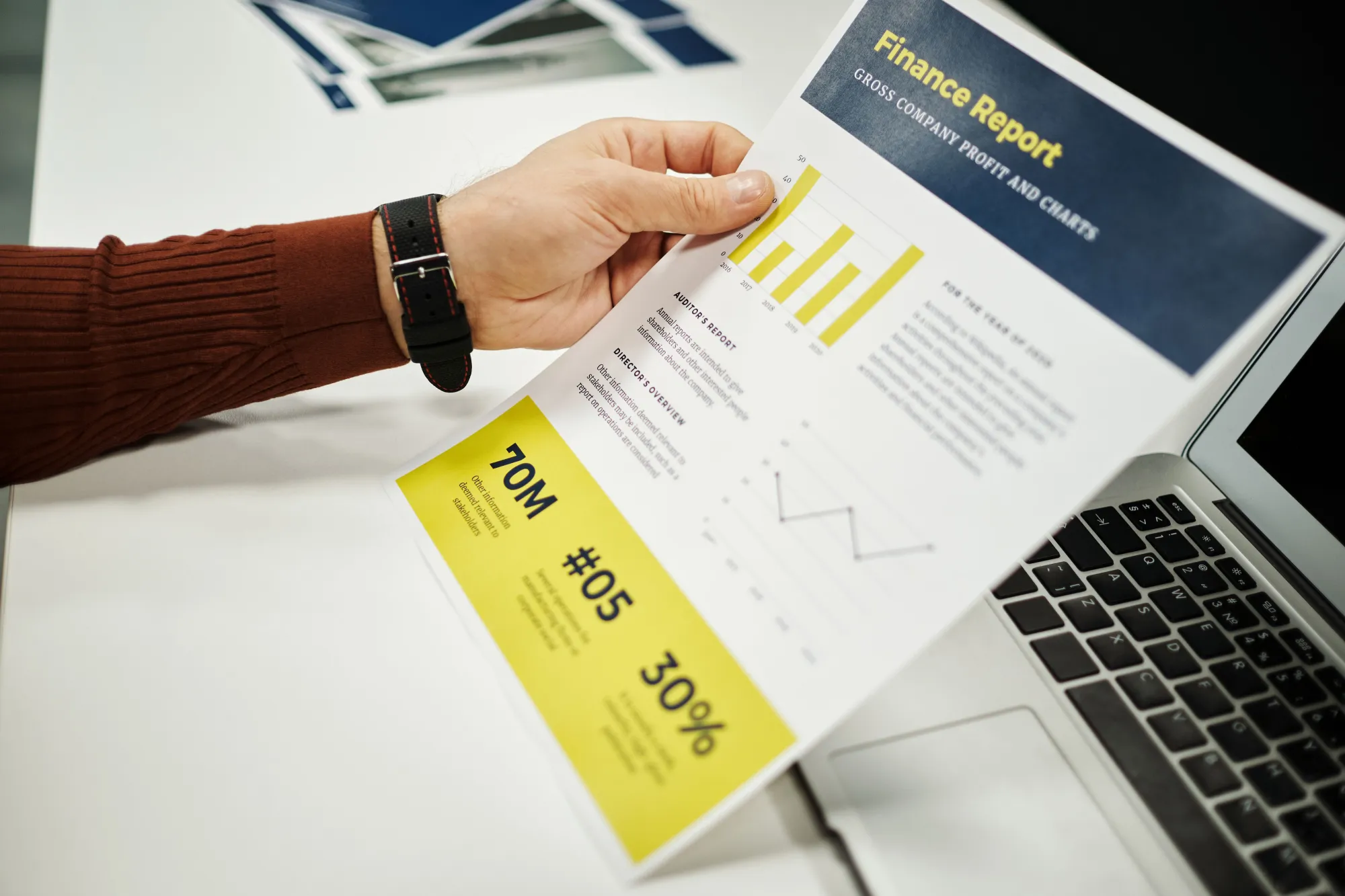
Accurate financial reporting is essential for businesses that want to maintain transparency and accountability. When companies purchase laptops outright, tracking hardware expenses across multiple departments can become complex.
Leasing simplifies reporting by converting equipment costs into consistent operational expenses. Finance teams can categorize these payments easily and monitor technology spending more effectively.
Clear reporting improves collaboration between financial managers and IT departments. Both teams can analyze expenses and plan future technology investments more strategically.
Reduced Risk of Technology Obsolescence
Technology obsolescence occurs when devices become outdated and no longer support modern applications or security standards. Businesses that purchase laptops often face the risk of owning equipment that loses value quickly.
Leasing reduces this risk because devices are typically replaced at the end of the lease period. Instead of maintaining aging hardware, organizations can transition to newer models regularly.
This approach ensures employees continue using efficient systems that meet current business needs. It also prevents companies from holding large inventories of outdated equipment that require costly upgrades or replacements.
Maintaining updated technology also supports employee productivity. When systems operate smoothly and efficiently, teams can complete tasks faster and with fewer disruptions.
Environmental Considerations in Laptop Leasing
Sustainability has become an important priority for many organizations. Businesses are increasingly aware of the environmental impact of electronic waste and outdated devices.
Leasing programs often support responsible device lifecycle management. When laptops are returned at the end of their lease term, they may be refurbished, reused, or recycled appropriately. This process reduces electronic waste and promotes more sustainable technology practices.
Organizations that prioritize sustainability can align their technology strategies with environmental goals. Leasing helps reduce unnecessary disposal of devices while encouraging responsible reuse.
Responsible technology management not only benefits the environment but also supports corporate responsibility initiatives.
Conclusion
Managing IT budgets effectively is essential for businesses that depend on reliable technology. Laptop leasing provides a structured and flexible approach to accessing modern devices without placing heavy financial pressure on organizations. By spreading costs over predictable payments, businesses gain better control over spending while maintaining access to up to date technology.
Leasing also simplifies device upgrades, improves cash flow management, and reduces the risks associated with outdated equipment. These advantages allow organizations to focus on productivity and growth rather than large hardware investments. With proper planning, leasing can become an important part of a sustainable and efficient IT strategy.
Businesses looking for flexible technology solutions often consider services provided by Geex when exploring options related to laptops for lease.




























Sign in to leave a comment.