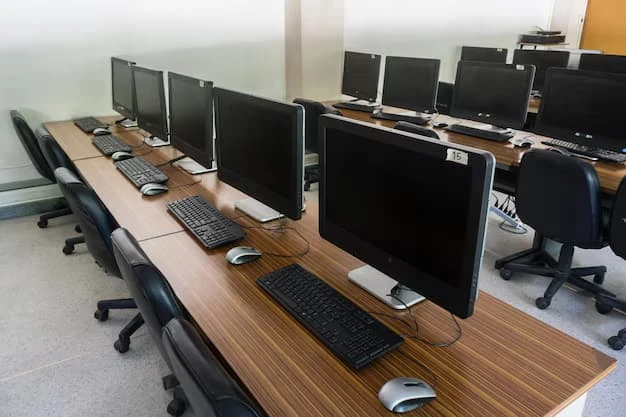

Managing expenses while maintaining efficiency is one of the biggest challenges for businesses in today’s competitive environment. Technology plays a crucial role in daily operations, but purchasing high-performance devices often requires significant investment. To address this, many organizations are turning to computer rentals as a strategic option. By renting devices instead of buying them, businesses can significantly reduce overhead costs while gaining access to reliable, up-to-date technology.
Understanding Computer Rentals
Computer rentals involve acquiring desktops, laptops, or specialized systems for a fixed period without the need for ownership. Companies pay a rental fee, which may include maintenance, upgrades, and support. This model is particularly appealing to businesses seeking to optimize budgets and minimize unnecessary expenses.
Key Benefits of Computer Rentals
- Lower upfront costs compared to purchasing
- Flexible rental periods suited for short-term or long-term use
- Access to modern devices without worrying about depreciation
- Reduced burden on internal IT departments due to provider support
Financial Impact of Computer Rentals on Overheads
Eliminating Large Capital Expenditure
Purchasing computers requires substantial upfront investment. For small and medium-sized businesses, this can strain cash flow. Computer rentals replace large purchases with smaller, manageable payments, allowing resources to be directed toward growth-oriented initiatives.
Predictable Monthly Expenses
Rental agreements typically involve fixed monthly payments. This predictability makes budgeting easier and helps companies avoid unexpected costs associated with sudden hardware replacements.
Avoiding Depreciation Costs
Technology depreciates quickly, and owned computers lose value over time. Computer rentals eliminate this issue, as businesses simply return outdated equipment and upgrade to newer models when required.
Reduced Maintenance Expenses
Many rental agreements include technical support and regular maintenance. This minimizes the need for dedicated in-house IT staff, lowering overhead costs associated with system upkeep.
Operational Advantages that Save Costs
Scalability in Workforce Technology
Workforce sizes often change based on project demands. Purchasing computers to accommodate fluctuating team sizes can lead to wasted resources. Computer rentals allow companies to scale up or down easily, ensuring they only pay for what they need.
Immediate Availability of Devices
Delays in purchasing, configuring, and deploying new hardware can affect productivity. Computer rentals provide pre-configured systems that are ready to use, reducing downtime and associated costs.
Supporting Remote and Hybrid Work Models
As hybrid work becomes more common, businesses require flexible solutions to equip employees at different locations. Computer rentals provide a cost-efficient way to ensure all team members have access to reliable devices without additional overhead.
Industry Applications of Computer Rentals
Events and Conferences
Events often require large numbers of computers for short durations. Purchasing devices for such needs would create unnecessary expenses. Renting allows organizers to meet temporary requirements affordably.
Training Programs
Organizations conducting training sessions or workshops benefit from computer rentals by accessing devices only for the duration of the program. This reduces costs while ensuring participants have the necessary tools.
Startups and Small Enterprises
Startups often operate with limited budgets. Computer rentals allow them to focus funds on innovation and growth instead of tying up capital in technology ownership.
Sustainability Benefits that Reduce Long-Term Costs
Minimizing Electronic Waste
By renting rather than purchasing, businesses contribute to reducing electronic waste. Devices are refurbished, reused, or recycled by providers, lowering disposal expenses and promoting eco-friendly practices.
Energy-Efficient Devices
Many rental providers supply energy-efficient systems. This reduces utility bills and contributes to overall cost savings while aligning with sustainability goals.
Future Trends in Computer Rentals That Influence Cost Savings
Subscription-Style Models
The rise of subscription models is making computer rentals even more cost-effective. Businesses can choose plans that include both hardware and software, streamlining expenses under a single agreement.
Integration with Cloud Services
Computer rentals are increasingly tied to cloud-based operations, which reduce the need for high-spec owned devices. This lowers hardware requirements and helps businesses save further on costs.
Enhanced Customization
Future rental services are expected to offer more customizable options, ensuring companies only pay for features and specifications they actually need.
Challenges to Consider in Computer Rentals
Long-Term Costs
While rentals reduce upfront expenses, businesses must analyze long-term financial implications. Extended rentals may sometimes exceed the cost of ownership.
Dependence on Providers
Relying heavily on rental providers requires careful selection to ensure timely support, reliable equipment, and consistent service.
Data Security Concerns
With rented devices used by multiple clients over time, businesses must confirm that proper data wiping and security protocols are in place to avoid risks.
Why Computer Rentals Are a Strategic Move for Overhead Reduction
Overall, computer rentals align perfectly with modern business strategies focused on efficiency, flexibility, and cost control. By lowering capital investments, providing predictable expenses, and supporting operational scalability, rentals directly reduce business overheads. They also enhance sustainability and adaptability, two qualities that are becoming increasingly important in today’s business world.
Conclusion
The decision to choose computer rentals is not simply about avoiding purchases but about optimizing resources and reducing unnecessary overhead costs. Whether it is for startups looking to preserve cash flow, large corporations seeking scalability, or educational institutions requiring short-term access, computer rentals provide a practical and sustainable solution. As technology continues to evolve and hybrid work models expand, computer rentals will remain an essential tool for businesses aiming to stay competitive while keeping overhead costs under control.





























Sign in to leave a comment.