

Technology plays an important role in keeping modern businesses productive, connected, and adaptable. Organisations often require additional computing equipment for temporary projects, new employees, training sessions, events, or periods of increased workload. In such situations, computer rental can provide a practical alternative to purchasing equipment outright. This approach allows businesses to access suitable devices for a defined period while maintaining greater control over technology spending. Rental solutions can also support changing operational requirements, making it easier for organisations to increase or reduce their equipment needs without making permanent investments.
Understanding Computer Rental for Businesses
Computer rental allows organisations to access computing equipment for an agreed period without purchasing the devices. This arrangement can be useful when technology is required for a temporary assignment or when a business wants to avoid committing capital to equipment that may not be needed permanently. Rental periods can vary according to business requirements, ranging from short events to longer projects. By selecting equipment according to actual usage needs, organisations can improve resource planning while ensuring employees have access to appropriate technology during important periods of operation.
Why Businesses Consider Computer Rental
Businesses regularly experience situations where existing equipment may not meet immediate technology demands. A sudden increase in staffing, a temporary project, or an upcoming event can create a need for additional computers. Purchasing devices for these short term requirements may result in unnecessary expenses and unused equipment later. Computer rental provides an alternative that allows businesses to obtain the required technology only when needed. This flexibility can help organisations respond quickly to changing circumstances while maintaining productivity and avoiding long term commitments for temporary technology requirements.
Flexible Equipment for Temporary Projects
Projects often have specific start and completion dates, making temporary technology particularly useful. Organisations can rent computers for the duration of a project and return the equipment when the work has been completed. This approach reduces the need to purchase devices that may have limited future use. Project teams can also access equipment that matches their technical requirements without affecting existing workplace resources. Such flexibility supports better planning and allows organisations to adjust their technology arrangements according to project timelines, workloads, and changing operational priorities.
Supporting Business Events
Business events, conferences, exhibitions, and presentations may require additional computing equipment. Computers can be used for registration desks, demonstrations, presentations, administration, and attendee support. Purchasing extra devices solely for occasional events may not provide practical long term value. Computer rental enables event organisers to access the necessary equipment for the required period. Once the event finishes, the devices can be returned rather than stored until another occasion. This arrangement can simplify event preparation and help organisations manage temporary technology requirements without creating additional permanent assets.
Financial Benefits of Computer Rental
Managing technology expenditure is important for organisations seeking effective budget control. Computer rental can reduce the need for significant upfront spending associated with purchasing multiple devices. Instead, businesses can arrange equipment according to their actual usage period and operational needs. This approach can help preserve available capital for other priorities such as staffing, marketing, development, or business expansion. Rental can also reduce concerns surrounding equipment depreciation because the organisation does not need to retain the devices permanently. These financial considerations make rental an attractive option for various temporary technology requirements.
Supporting Workforce Expansion
Business growth can sometimes happen faster than planned, creating an immediate need for additional computers. New employees may require equipment before permanent technology purchasing arrangements are completed. Computer rental can provide a temporary solution that allows new team members to begin working without unnecessary delays. This can be particularly useful during recruitment drives, seasonal increases, or temporary staffing periods. Organisations can obtain additional equipment when required and adjust their arrangements as workforce needs change. This flexibility helps maintain productivity while businesses develop longer term technology strategies for their expanding teams.
Helping Remote and Hybrid Teams
Remote and hybrid working arrangements require businesses to provide employees with suitable computing equipment. Temporary staff, contractors, and project workers may need devices for specific periods rather than permanent ownership. Computer rental can help organisations accommodate these requirements without purchasing equipment for every temporary worker. Suitable devices can be provided for the duration of an assignment and returned once the engagement ends. This approach supports workforce flexibility while helping organisations manage technology resources more efficiently. It can also make it easier to respond to sudden changes in working arrangements.
Computer Rental for Training Programmes
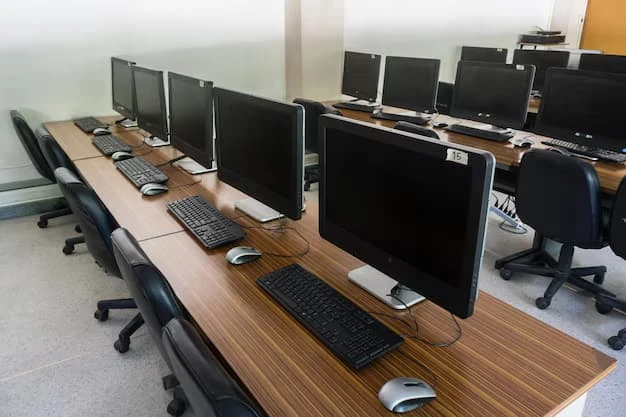
Training programmes often involve groups of employees who require access to computers simultaneously. Organisations may not have enough existing devices to accommodate everyone, particularly when training involves large groups or temporary participants. Renting computers can provide the additional equipment needed for workshops, courses, and educational sessions. Devices can be configured according to the software and activities required during the training period. Once the programme has finished, the equipment can be returned. This provides a straightforward way to meet temporary training requirements without expanding the organisation's permanent technology inventory.
Selecting Suitable Rental Equipment
Choosing suitable equipment requires careful consideration of how the computers will be used. Organisations should evaluate processing requirements, memory, storage, operating systems, connectivity, and software compatibility before arranging rental equipment. The number of devices required and the expected rental period should also be considered. Understanding these requirements helps businesses avoid selecting equipment that is unsuitable for the intended tasks. A clear assessment can support efficient planning and ensure employees receive technology that allows them to complete their responsibilities effectively throughout the rental period.
Considering Rental Duration
Rental duration can influence both planning and overall costs. Businesses should estimate how long the equipment will be required and consider whether the project schedule could change. Short term requirements may involve events or brief assignments, while longer arrangements can support extended projects or temporary workforce expansion. Having a clear understanding of the expected usage period helps organisations select an appropriate rental arrangement. Businesses should also consider flexibility if the project timeline changes. This can make it easier to extend or adjust equipment requirements when operational circumstances develop unexpectedly.
Maintaining Productivity With Flexible Technology
Access to appropriate technology can have a direct impact on workplace productivity. Employees need dependable equipment to complete everyday responsibilities, communicate with colleagues, manage documents, and use business applications. When existing resources are insufficient, rental equipment can help bridge the gap. Organisations can provide additional computers without waiting for lengthy purchasing processes or making permanent investments. This can be particularly useful during periods of increased activity. Flexible technology access allows businesses to respond to operational requirements while maintaining continuity across different departments and working environments.
Computer Rental and Business Continuity
Unexpected circumstances can create immediate technology requirements. Equipment failures, temporary office arrangements, urgent projects, or sudden workforce changes may require businesses to obtain replacement or additional computers quickly. Rental services can provide a practical way to address these situations. Rather than waiting for new equipment to be purchased and delivered through conventional procurement processes, organisations can arrange temporary devices for immediate requirements. This can help reduce disruption and support business continuity. Flexible rental arrangements therefore have value beyond planned projects and can also assist with unexpected operational challenges.
Future of Flexible Computer Access
Technology requirements are likely to continue changing as organisations adopt new working practices and digital tools. Businesses increasingly value flexibility because workforce sizes, projects, and operational demands can change quickly. Computer rental fits within this evolving environment by allowing organisations to access equipment without permanent ownership commitments. As businesses continue exploring flexible approaches to technology management, rental solutions may remain relevant for temporary projects, events, training programmes, and workforce changes. Organisations can evaluate their requirements regularly and select technology arrangements that align with current operational priorities.
Conclusion
Computer rental provides businesses with a flexible way to access computing equipment for temporary and changing requirements. It can support projects, events, training programmes, workforce expansion, remote teams, and unexpected technology needs without requiring permanent equipment purchases. By selecting suitable devices and rental periods, organisations can maintain productivity while managing technology resources more efficiently. Flexible access can also help businesses respond quickly when operational demands change. For organisations seeking practical technology arrangements tailored to temporary requirements, Geex can provide an approach that supports flexibility, productivity, and effective technology planning.




























Sign in to leave a comment.