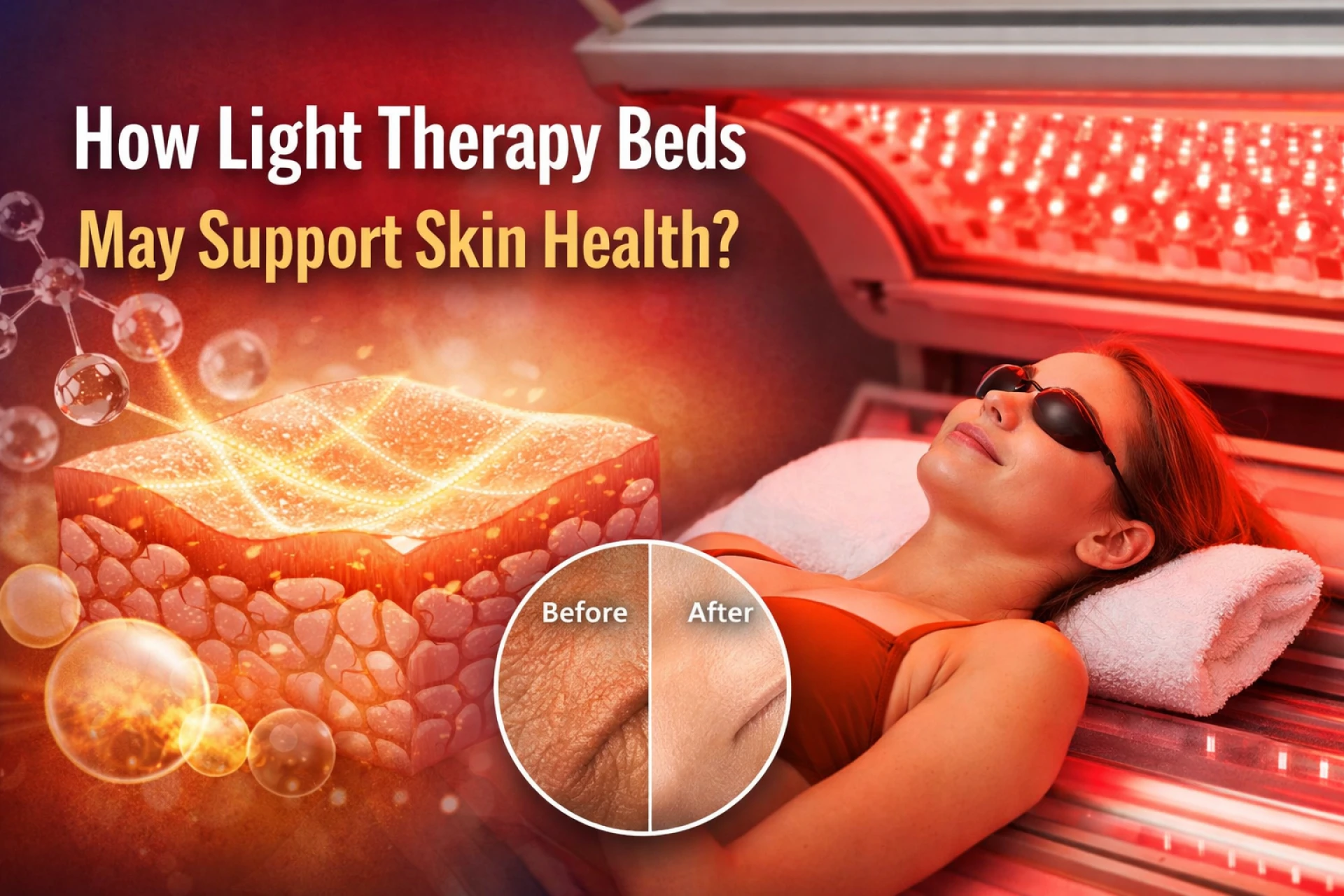

Skin health plays an important role in both appearance and overall well being. Over time, factors such as aging, environmental exposure, stress, and lifestyle habits can affect how the skin looks and functions. As people look for non invasive ways to support healthier skin, light based wellness technologies have gained attention. One such option is the light therapy bed.
A led light therapy bed uses specific wavelengths of light that may help support natural skin processes. While it is not a medical treatment, ongoing research suggests it may offer supportive benefits for skin health when used responsibly.
Understanding Light Therapy and How It Works
Light therapy involves exposing the body to controlled wavelengths of light to stimulate biological responses at the cellular level. Unlike ultraviolet light, which can damage the skin, therapeutic light typically uses visible red light and near infrared light.
These wavelengths are absorbed by skin cells and may help stimulate cellular energy production. This process can support natural repair mechanisms within the skin and improve overall cellular function.
A light therapy bed delivers this light evenly across the body, allowing larger skin areas to be exposed during each session.
Types of Light Used in a Light Therapy Bed
Different wavelengths serve different purposes when it comes to skin health.
Red light is commonly associated with surface level skin benefits. It penetrates the upper layers of the skin and may help stimulate collagen producing cells.
Near infrared light penetrates deeper into the tissue. It may support circulation and cellular repair, which can indirectly benefit skin appearance and recovery.
Many light therapy beds combine both red and near infrared wavelengths to support multiple layers of the skin at the same time.
Collagen Production and Skin Elasticity
Collagen is essential for maintaining firm and youthful looking skin. As we age, natural collagen production slows down, leading to wrinkles and sagging.
Research suggests that red light exposure may stimulate fibroblast activity, which supports collagen synthesis. With consistent use, a light therapy bed may help improve skin firmness and elasticity over time.
Reducing Inflammation
Inflammation contributes to many common skin issues, including redness, irritation, and acne. Light therapy may help regulate inflammatory responses by reducing oxidative stress within skin cells.
By calming inflammation, light therapy beds may help the skin appear clearer and more balanced.
Improving Skin Tone and Texture
Uneven skin tone and rough texture can result from poor circulation or slowed cellular turnover. Light therapy may help increase blood flow and oxygen delivery to skin cells.
This improved circulation can support healthier looking skin with a smoother texture and more even appearance.
Supporting Wound Healing and Skin Recovery
Light therapy has been studied for its role in wound healing and tissue repair. Exposure to therapeutic light may help stimulate cell regeneration and support faster recovery after minor skin injuries or cosmetic procedures.
Although results vary, consistent exposure may support the skin’s natural healing process.
What Scientific Research Suggests
Scientific studies on red and near infrared light indicate potential benefits for skin health, including collagen stimulation and reduced inflammation. Many of these studies focus on targeted light devices, but the same principles apply to full body light therapy beds.
It is important to note that research is still evolving. Results depend on wavelength accuracy, exposure time, and consistency of use. Light therapy beds are best viewed as a supportive wellness tool rather than a guaranteed solution.
Safety Considerations and Best Practices
Light therapy beds are generally considered safe when used correctly. However, users should follow recommended guidelines.
Sessions should start with shorter exposure times to allow the skin to adjust. Protective eyewear should be used if recommended by the device manufacturer.
Individuals who are pregnant, taking photosensitive medications, or managing chronic skin conditions should consult a healthcare professional before use.
At HEALTHandMED, education and responsible use are emphasized to help users make informed wellness choices.
Who May Benefit From Using a Light Therapy Bed?
People interested in supporting skin health naturally may consider light therapy beds as part of a broader self care routine. They may be beneficial for adults looking to improve skin texture, reduce signs of aging, or support post procedure recovery.
Results vary from person to person, and consistency plays a key role in achieving noticeable improvements.
Conclusion
A light therapy bed offers a non invasive approach that may support skin health through improved cellular function, collagen production, and reduced inflammation. While research is ongoing, current findings suggest it can be a valuable addition to a well rounded wellness routine.
As with any wellness technology, realistic expectations and safe usage are essential. When used thoughtfully, light therapy beds may help support healthier, more resilient skin over time.
Frequently Asked Questions
Is a light therapy bed safe for all skin types?
Most skin types tolerate therapeutic red and near infrared light well. People with sensitive skin or medical conditions should seek professional advice first.
How long does it take to see skin benefits?
Some users notice subtle improvements within a few weeks, while others may need longer periods of consistent use.
Does a light therapy bed use UV light?
No. Light therapy beds use visible and near infrared light, not ultraviolet radiation.
Can light therapy replace professional skin treatments?
Light therapy may support skin health but should not replace medical or dermatological treatments.
How often should a light therapy bed be used?
Usage frequency depends on the device and individual goals. Many users start with a few sessions per week.



























Sign in to leave a comment.