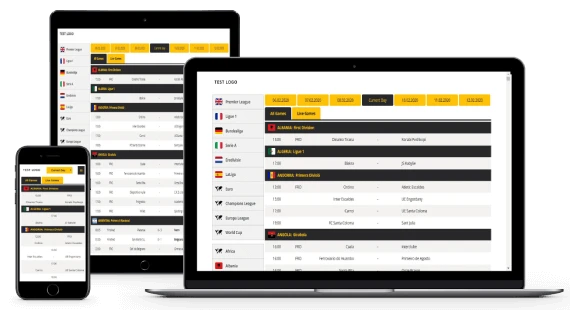

In a modern digital world, speed, precision, and real-time access are the key factors to the success of any sports-related platform. It could be a sports site, mobile application, fantasy sports platform, or a news site, and audiences would want to be updated immediately when a match commences. The implementation of the Live Score API has been a game-changer, improving the user experience and engagement, retention, and overall platform performance. Live Score APIs have transformed the way fans consume sports content by allowing them to instantly update scores, access detailed match statistics, view interactive visuals, and more.
The Rising Need for Real-Time Updates
Sports fans no longer have to rely on TV broadcasts or traditional commentary. They desire live updates on their scores, team statistics, player information, and event schedule delivered to their devices. As fantasy leagues expand, sports betting, live shows, and the overall community of sports fans, real-time, precise data has become a necessity. A Live Score API provides reliable, high-speed data streams aggregated from official sources and presented without issues on digital platforms.
Instant Information Delivery
The primary advantage of a Live Score API is its capacity to deliver real-time data with zero delay. Every critical event—goal, wicket, ace, touchdown, penalty, or substitution—is instantly transmitted to the user. This immediacy creates a thrilling experience for fans who cannot watch the match live but still want to stay connected.
Platforms that integrate Live Score APIs ensure:
- Faster data refresh rates
- Improved accuracy and consistency
- Real-time alerts and push notifications
This rapid delivery increases user trust and positions the platform as a dependable source of live updates.
Improved Engagement and Retention
Real-time sports content is naturally addictive. When users receive instant updates, live commentary, or detailed match analytics, they stay longer on the platform. Engagement metrics shoot up because users frequently revisit the app or website during a match.
Engagement-driving features supported by Live Score APIs include:
- Live match timelines
- Real-time statistics and charts
- Player and team analytics
- Head-to-head records
- Interactive widgets and infographics
These features create a dynamic environment that enhances user satisfaction and encourages regular use. Platforms with strong engagement often see higher ad revenue, better subscription conversions, and increased brand loyalty.
Enhanced Personalization
A significant advantage of modern Live Score APIs is their ability to personalize. By analyzing user behavior, platforms can offer tailored experiences based on:
- Favorite teams
- Preferred players
- Sports categories
- Match types
Personalized alerts, curated dashboards, and individual match feeds give users a feeling of exclusivity. This level of customization significantly boosts the user’s emotional attachment to the platform.
Cross-Platform Consistency
Sports fans use multiple devices—smartphones, tablets, laptops, and even smart TVs—to access match updates. A Live Score API ensures consistent data delivery across all platforms. Users enjoy the same level of accuracy and speed across devices, which improves trust and reduces frustration.
Benefits of cross-platform integration:
- Unified user experience
- Seamless navigation
- Faster content synchronization
- High scalability
Football Widgets are especially vital for sports betting apps, fantasy sports platforms, and global sports communities where real-time accuracy is crucial.
Boosting Fantasy Sports and Sports Betting
Fantasy sports and betting platforms depend heavily on real-time data. Every player movement, substitution, or live event can impact fantasy scores or betting outcomes. Live Score APIs help these platforms deliver:
- Instant fantasy point updates
- Live leaderboards
- Current odds and predictions
- Injury updates
- Match insights and analytics
Accurate, timely data increases platform credibility and ensures fairness, both of which are essential for customer trust.
Visual Enhancements
Modern Live Score APIs can integrate live visuals such as:
- Heatmaps
- Shot charts
- Ball-by-ball visuals
- Possession graphs
- Interactive scorecards
These elements transform a simple score update into an immersive visual experience. Users are no longer just reading updates—they are engaging with graphical data that brings the match to life.
Scalability and Performance Improvements
High-traffic periods during major tournaments can overload servers. Live Score APIs are designed to handle massive spikes in user traffic. Their scalable infrastructure ensures that data delivery remains smooth, even during peak match moments.
Key performance benefits:
- Faster load times
- Reduced downtime
- Stable backend handling
- High-speed data processes
Scalability ensures that platforms can reliably serve thousands of users simultaneously without interruptions.
Strengthening Brand Value
By delivering fast, accurate, and engaging sports content, platforms can significantly strengthen their market reputation. Users naturally prefer platforms that offer the most reliable live scores and updates. This competitive edge helps businesses build stronger identities and grow faster in a crowded marketplace.
Additional brand benefits:
- Higher user retention
- Positive word-of-mouth
- Increased traffic during major sports seasons
- Better monetization opportunities
Football Data API integration becomes a long-term investment in brand value and future growth.
Seamless Integration and Flexibility
Most Live Score APIs are built with developer-friendly structures such as JSON and XML, and use RESTful APIs. They offer:
- Easy installation
- Simple maintenance
- Customizable data fields
- Flexible widget integration
Businesses can tailor the API output to match their platform’s branding, design, and functionality.
FAQs
1. What is a Live Score API?
A Live Score API is a tool that delivers real-time match data—scores, events, statistics, timelines, and analytics—directly to platforms such as apps and websites. It helps businesses offer live sports content without managing complex data systems.
2. Which platforms benefit from Live Score API integration?
Sports websites, mobile apps, fantasy sports platforms, betting platforms, news portals, live-streaming services, and sports analytics websites benefit the most.
3. Is Live Score API integration difficult?
Most modern APIs are designed for easy integration. With REST endpoints, clear documentation, and developer support, implementation is smooth and flexible.
4. How does a Live Score API improve user engagement?
By offering real-time updates, visual match elements, personalized alerts, and interactive data, the API keeps users active, engaged, and returning to the platform frequently.
5. Is the data accurate and reliable?
Reputed Live Score APIs aggregate information from official sources, referees, match centers, and verified data providers, ensuring high accuracy and real-time reliability.
6. Can I customize the data displayed on my platform?
Yes. APIs allow customization of endpoints, data fields, visuals, widgets, and layouts to match your platform’s design and audience needs.
7. Are Live Score APIs useful for fantasy sports?
Absolutely. Fantasy sports rely on real-time data to update player scores, leaderboards, and match performance metrics. An API ensures timely and fair scoring.
































Sign in to leave a comment.