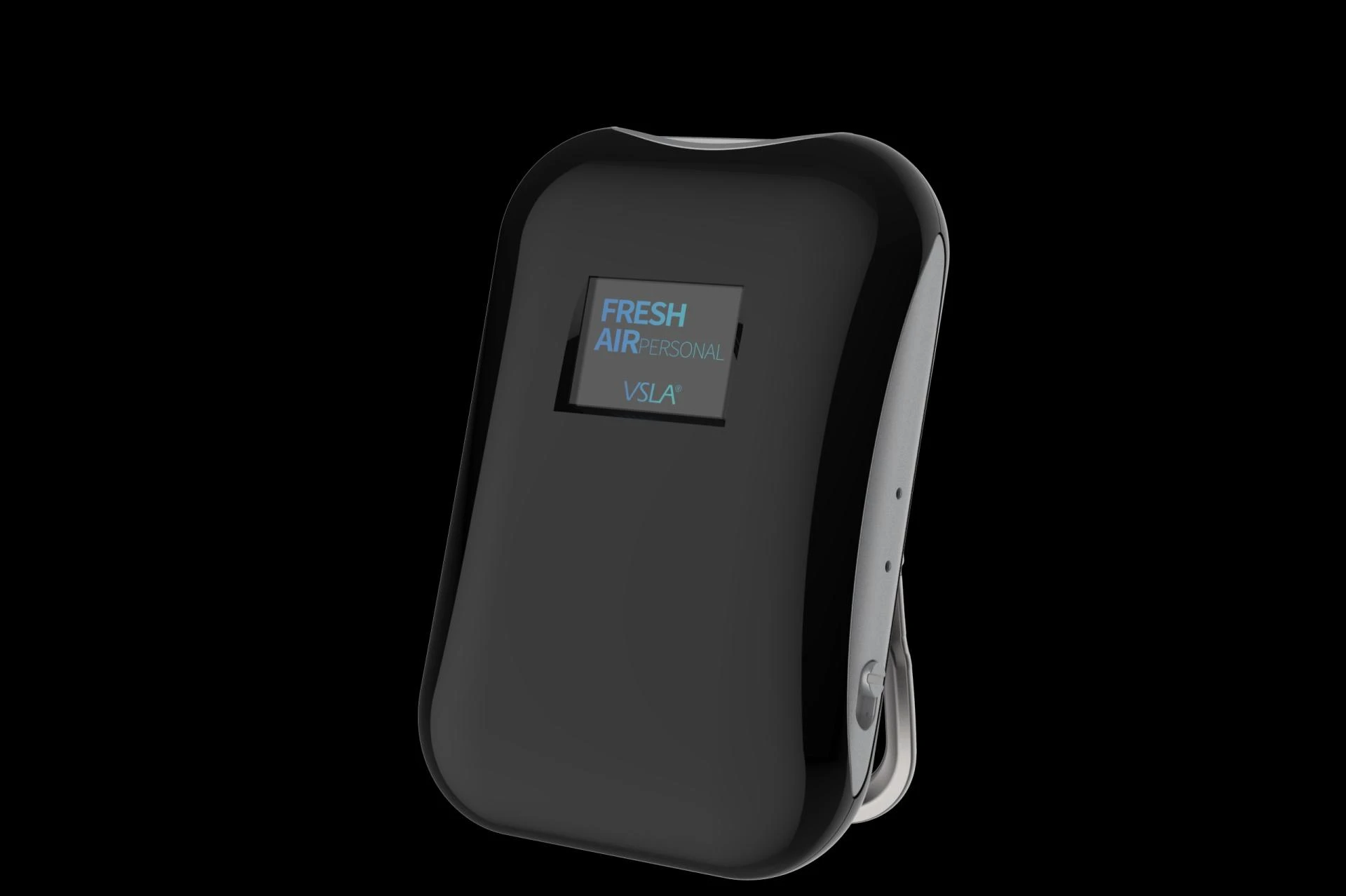

Indoor air quality has become a growing concern for many households and workplaces, especially in environments where people spend a large portion of their day inside. While modern systems often use complex filtration methods and smart technology, many older air purification systems—like those based on Living Air designs—remain in use due to their reliability and proven ability to reduce common airborne contaminants. These legacy systems may not dominate the current market, but they continue to play a valuable role in supporting cleaner indoor environments.
Living Air units gained popularity for their use of ionization and ozone generation, which helped neutralize particles such as dust, pollen, mold spores, and even odors. These technologies were particularly appealing to those looking for a low-maintenance alternative to HEPA-based filters. The concept was relatively simple: instead of trapping particles in a filter, these systems released charged ions that bonded with airborne particles, causing them to settle out of the breathing zone or become easier to capture.
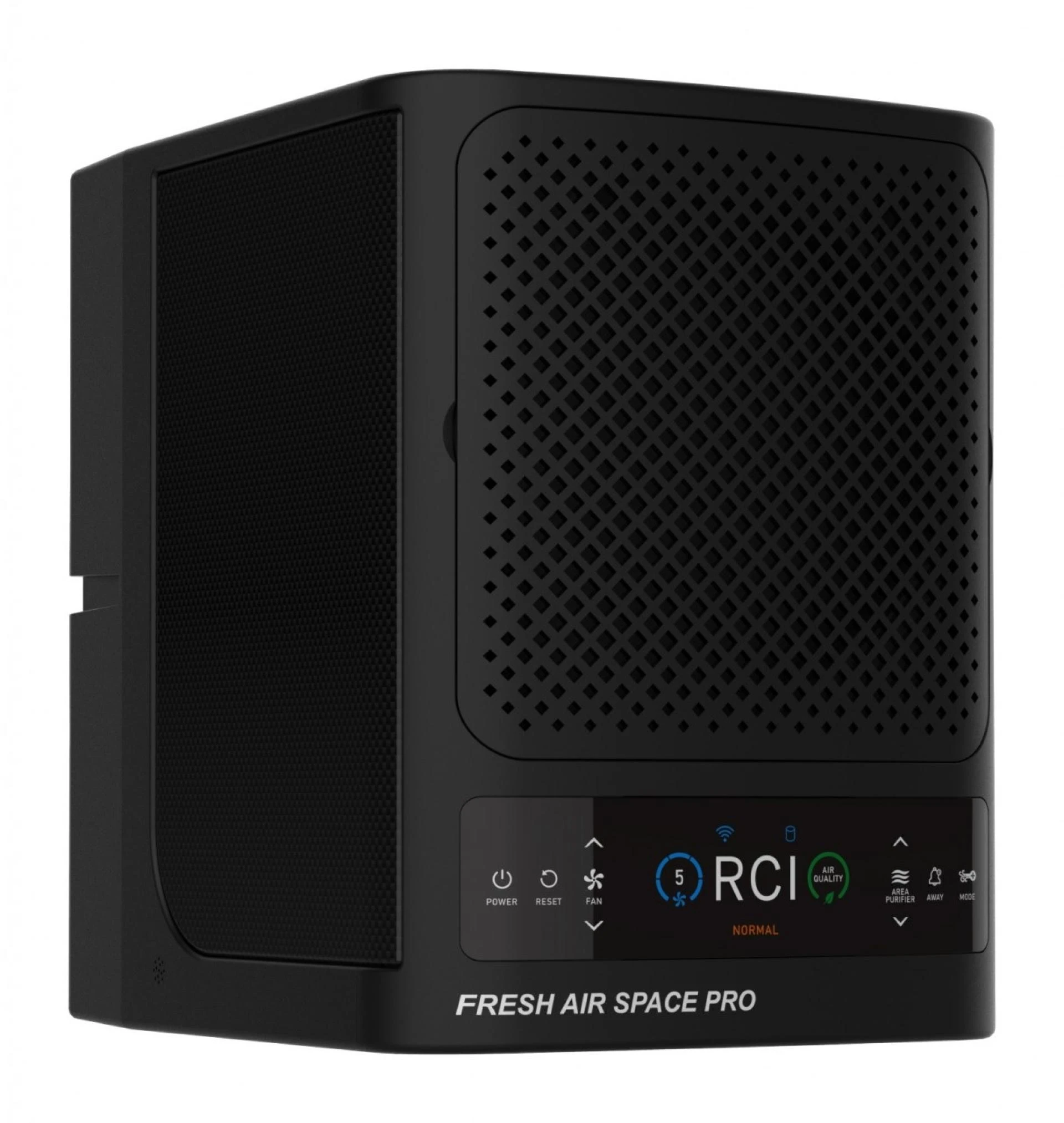
Although the science of air purification has evolved over the years, the core principle behind Living Air systems is still relevant. Many users find that these units, when properly maintained, perform well in environments where traditional filters may struggle. For example, homes with pets, smokers, or high humidity levels can benefit from the dual-action approach of particulate removal and odor neutralization.
One of the reasons these systems have remained in use is their durability. Built with longevity in mind, many Living Air units continue to function well after a decade or more. Of course, like any mechanical device, they do require maintenance—such as regular cleaning, occasional replacement of ozone plates or ionization wires, and ensuring proper electrical function. Users who stay on top of this maintenance often find their systems continue to meet their needs without the expense of new equipment.
There’s also a growing cultural shift toward sustainability and reducing electronic waste. Instead of discarding functional devices, many consumers are choosing to repair and restore older appliances. Living Air units fit well into this trend, as they are relatively easy to service and have available replacement parts through specialized suppliers. With this mindset, people are rediscovering the usefulness of these systems and bringing them back into service.
Another contributing factor to the continued use of Living Air systems is user familiarity. Many households have used these purifiers for years, and people often prefer the systems they already understand. Rather than learning a new app-connected or voice-controlled purifier, users may stick with what has worked reliably for them in the past. This level of comfort and consistency encourages long-term use.
While modern air purifiers often boast features like digital sensors, smartphone integration, and multi-stage filtration, these can sometimes come at the cost of complexity. Users must navigate user interfaces, keep up with subscription filter plans, and depend on cloud-based updates. In contrast, Living Air systems are more straightforward. This simplicity appeals to users who want function over features—an air purifier that turns on, does its job, and needs minimal attention.
It’s also worth considering the adaptability of these systems. Though originally marketed for general home use, many people now use them in garages, basements, RVs, or small workshops—spaces where airborne pollutants might otherwise accumulate. Because of their compact design and targeted ionization, Living Air units are suitable for localized air treatment in such environments. As long as users respect the guidelines for ozone usage and ventilation, these systems can continue to be safe and effective.
Concerns about air quality have also been heightened in recent years due to environmental factors. Increased wildfire activity, urban pollution, and even viral transmission risks have led more people to evaluate their home air solutions. While newer systems are certainly available, many people are reactivating their Living Air units or purchasing refurbished models as a cost-effective option to quickly improve indoor air.
There is also a thriving secondary market for parts and refurbished Living Air systems. A growing number of online communities, forums, and niche retailers offer resources for troubleshooting, cleaning, and replacing components. For those with older models, these networks make it easier to keep systems running rather than sending them to the landfill. DIY repair culture, in particular, has helped users extend the lifespan of their units well beyond manufacturer expectations.
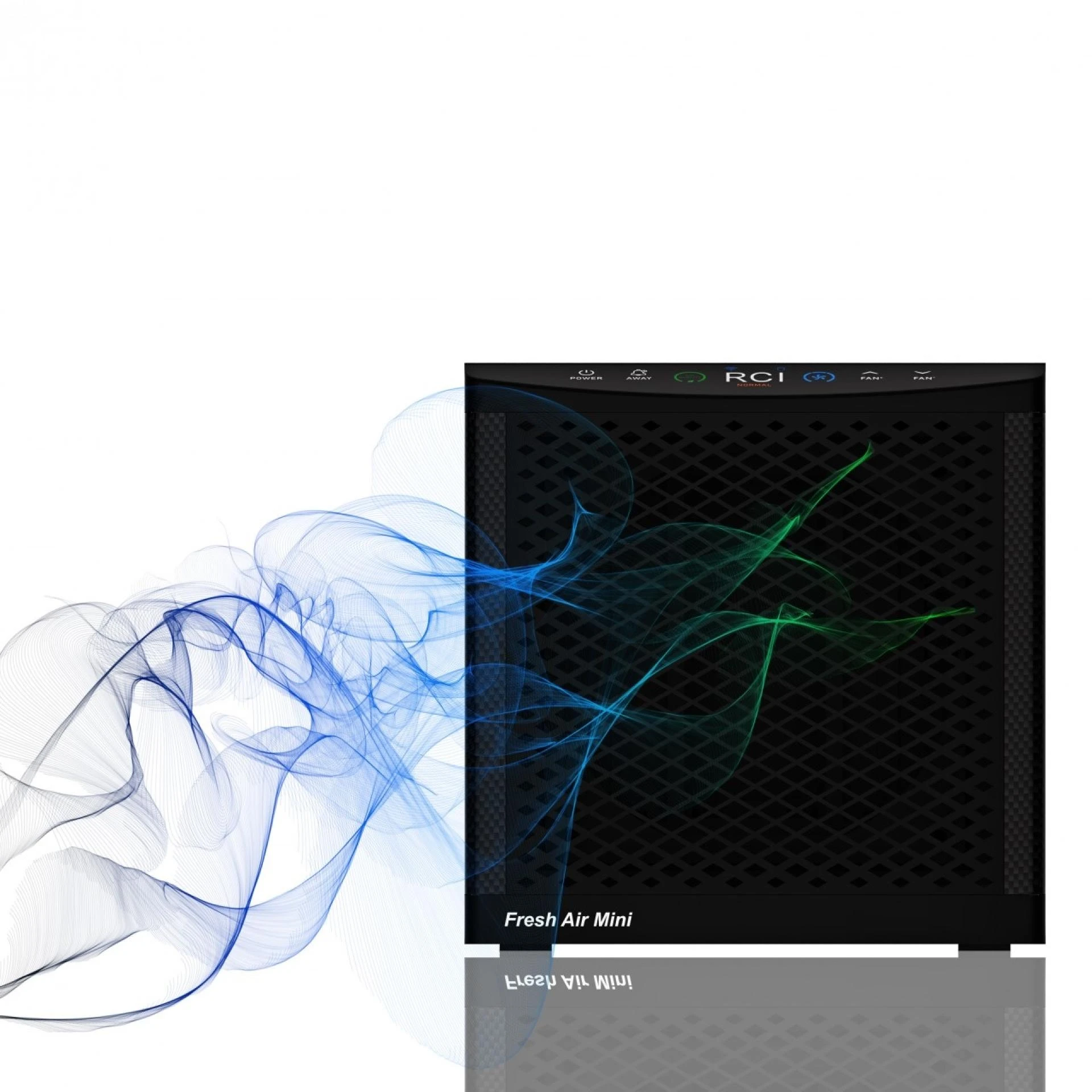
From a health perspective, it's important to use these systems correctly. Because some models include ozone generation, users should be aware of safe ozone levels and ensure proper room ventilation. Used responsibly, these systems can still support healthy air by reducing surface bacteria, neutralizing odors, and assisting in particulate control. Proper use depends on understanding the model’s capabilities and limitations, and many long-time users have developed effective routines for operation and maintenance.
As more attention is placed on the air we breathe indoors, it’s likely that both new and older systems will have their place in the conversation. For some, the appeal of newer technology will outweigh the benefits of legacy systems. For others, the simplicity, low maintenance, and dependable performance of Living Air units will continue to be an attractive choice. What matters most is finding a solution that meets the specific needs of the space and its occupants.
In the end, the enduring presence of Living Air systems speaks to their practical design and user trust. While they may not dominate air purification trends today, they continue to offer meaningful value to those who use them. As long as there are people committed to maintaining these units and suppliers willing to support them, they will remain a viable option in the indoor air quality landscape.
For users looking to repair, maintain, or source parts for Living Air systems, EcoTechWorld Inc. offers helpful resources and reliable support tailored to legacy air purification units.





















Sign in to leave a comment.