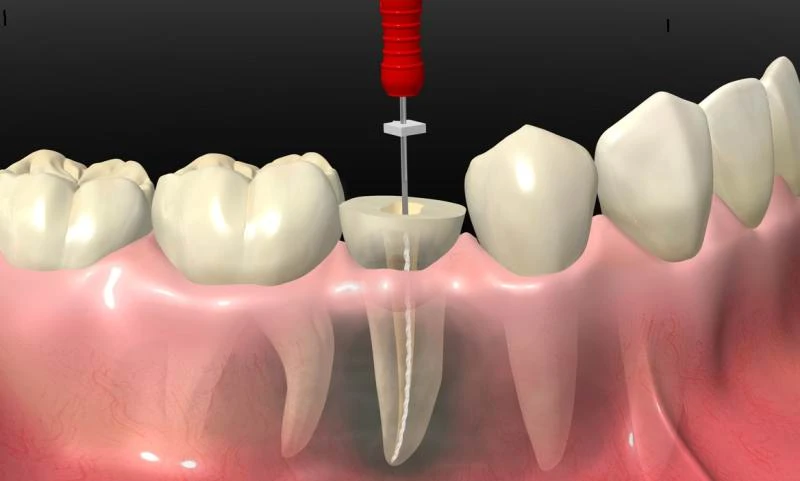

Root canal treatment is a common dental procedure designed to save a damaged or infected tooth. After the treatment, a temporary filling is often placed to protect the tooth before the permanent restoration is done. However, many patients wonder, "How long does a temporary root canal filling last?" This blog will help you understand the purpose, lifespan, and maintenance of temporary fillings, with a special focus on Root Canal Treatment in Kalyani Nagar.
What Is a Temporary Root Canal Filling?
A temporary root canal filling is a sealing material placed immediately after a root canal procedure. Its primary purpose is to protect the cleaned and disinfected area of the tooth while you wait for the permanent filling or crown to be applied. Without this temporary filling, the tooth would be vulnerable to bacteria, food particles, and further infection, which could complicate the healing process.
The temporary filling does more than just block off the tooth’s interior; it also helps to:
- Seal out contaminants, preventing any new infections from forming.
- Relieve any discomfort or sensitivity following the procedure.
- Maintain the structure of the tooth until a more durable, permanent filling can be inserted.
Temporary fillings are often made from materials like calcium hydroxide, zinc oxide-eugenol, or intermediate restorative materials (IRM). These substances are effective for short-term use, though they are not designed to withstand long-term pressure or wear.
How Long Does a Temporary Root Canal Filling Last?
The duration a temporary root canal filling will last depends on several factors, including the type of material used, the size of the cavity, and how well you take care of your tooth after the procedure. Typically, temporary fillings can last anywhere from a few days to a few weeks. However, it’s crucial to understand that these fillings are not permanent solutions, and they need to be replaced with a long-lasting filling or crown as soon as possible.
Factors That Impact the Longevity of a Temporary Filling:
- Material Used: Temporary fillings are made from materials that are not as strong as the permanent alternatives. For instance, calcium hydroxide is commonly used due to its healing properties, but it’s softer than other filling materials, meaning it may wear down faster. Zinc oxide-eugenol is another common choice, which provides a better seal but can break down over time with chewing forces.
- Size of the Tooth and Filling: The larger the cavity or space inside the tooth, the less durable a temporary filling might be. Larger cavities put more strain on the filling, leading it to deteriorate more quickly. Additionally, if the root canal treatment involved multiple canals or if the tooth structure was heavily compromised, the temporary filling may need to be replaced sooner.
- Personal Habits: Your eating habits and oral care play a significant role in the lifespan of your temporary filling. If you eat hard or sticky foods, this can cause the filling to break down or even fall out. Additionally, if you grind your teeth at night (a condition known as bruxism), the pressure can quickly wear down a temporary filling. Avoiding these habits can help extend the life of the filling.
- Healing Process of the Tooth: The type of infection or damage that caused the need for a root canal can also affect the filling’s durability. A tooth that has undergone severe infection may experience inflammation or additional damage, which can make it more challenging for the temporary filling to stay intact.
- Time to Replace with a Permanent Filling: The longer you wait to replace the temporary filling with a permanent restoration (like a crown or inlay), the more risk there is of damage to the treated tooth. In most cases, it's ideal to replace the temporary filling within a few weeks after the root canal procedure to avoid any risk of complications like infection or further damage.
Why Is It Important to Replace a Temporary Root Canal Filling?
Replacing a temporary filling in a timely manner is crucial to prevent several potential complications:
- Risk of Infection: If the temporary filling wears down or falls out, the tooth can become vulnerable to re-infection. Bacteria can enter through the exposed area, leading to further damage and the need for additional treatments.
- Pain and Discomfort: An exposed root canal may cause significant pain or sensitivity, especially when eating or drinking hot or cold foods. A deteriorated filling increases these sensations.
- Damage to the Tooth Structure: Without the temporary filling in place, the delicate inner tissues of the tooth may become compromised. This can cause the tooth to weaken and may even lead to fractures.
- Delaying Permanent Treatment: If you delay replacing the temporary filling, the healing process could be prolonged, and the tooth could become more difficult to treat with a permanent restoration later.
How Can You Extend the Life of Your Temporary Filling?
Taking proper care of the temporary filling can significantly extend its lifespan. Here are some tips:
- Avoid Hard or Sticky Foods: Refrain from chewing gum, hard candies, or ice, as these can cause the filling to loosen or break.
- Maintain Good Oral Hygiene: Brush gently around the treated area and floss carefully to avoid dislodging the filling. Keep the treated area clean to prevent infection.
- Limit Stress on the Tooth: Try to avoid chewing on the side of the mouth where the root canal was performed. This will prevent excessive pressure from weakening the temporary filling.
When Should You Visit a Root Canal Specialist in Kalyani Nagar for a Permanent Filling?
Once the root canal has healed, and you’re ready for a permanent restoration, you will need to visit your Root Canal Specialist in Kalyani Nagar. They will examine the tooth, remove the temporary filling, and place a permanent filling or crown to restore the tooth’s structure. This final step is crucial for long-term tooth health and will protect the tooth from future damage.
Conclusion
Temporary fillings play an essential role in protecting your tooth after a root canal treatment, but they are not designed to last forever. It is vital to replace them with permanent restorations as soon as possible to avoid complications like infection or tooth damage. If you need Root Canal Treatment in Kalyani Nagar, consult a Dentist in Kalyani Nagar who can guide you through the process, ensuring the best care and the long-term health of your teeth.
For expert advice and personalized treatment, visit our clinic at:
Fortaleza Complex, 218 & 219, 1st floor, Victoria 1, above Kalyani Veg restaurant, opposite Gold Adlabs Mariplex Mall, Kalyani Nagar, Pune, Maharashtra 411014
For inquiries, contact us at:
+91 – 9168687879
+91 – 8411934439
Click here for Google Maps Location
FAQs About Root Canal Treatment in Kalyani Nagar
1. How long does a root canal filling last?
A root canal filling can last anywhere from 10 to 15 years when properly maintained, although a temporary filling typically lasts only a few weeks.
2. What should I do if my temporary filling falls out?
If your temporary filling falls out, contact your Dentist in Kalyani Nagar immediately to avoid exposure of the root canal and prevent further infection.
3. Can I eat normally after a root canal treatment?
After the procedure, it's advisable to avoid hard, sticky foods and to chew on the opposite side of the treated tooth to ensure the temporary filling remains intact.
4. How soon should I schedule a follow-up for a permanent filling?
Ideally, a follow-up should be scheduled within 1-2 weeks after the root canal to replace the temporary filling with a permanent restoration.
5. How do I care for a temporary root canal filling?
Maintain good oral hygiene, avoid chewing on the treated side, and stay away from foods that could damage the filling, such as sticky or hard foods.




























Sign in to leave a comment.