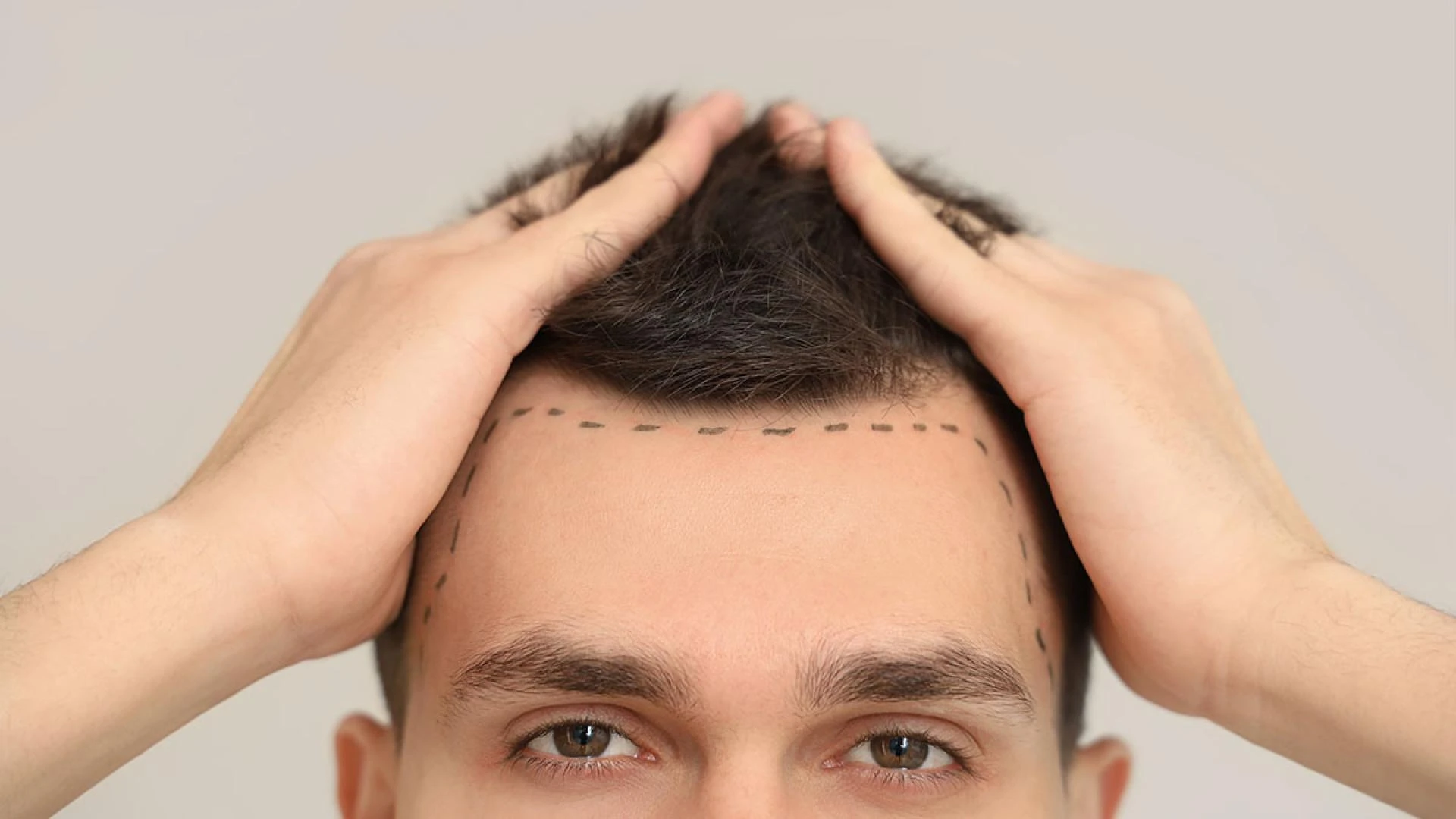

Hair transplant grafts refer to the individual units of hair follicles that are moved from one part of the scalp to another during the procedure. These grafts are carefully placed into small incisions in areas where hair is thinning or balding. Once implanted, they go through a series of stages before becoming permanent fixtures.
The First Few Days: Initial Attachment
In the first few days after a Hair Transplant Dubai, the grafts are still in the process of settling into their new location. During this time, the body begins to form a natural bond between the graft and the surrounding tissue. The grafts are held in place by the blood clots and scabs that form at the incision sites.
This early period is considered critical because the grafts are at their most vulnerable. They are not yet permanently fixed and can be dislodged with excessive rubbing or scratching.
One Week After the Transplant
By the end of the first week, most of the grafts have started to secure themselves into the scalp. The scabs that formed around the grafts typically begin to fall off naturally. As this happens, the hair follicles are becoming more stable and developing connections with the body’s blood supply.
Though they are more stable than before, it’s still important during this time to avoid any pressure or friction on the scalp that could disrupt the healing process.
Two Weeks to One Month: Shedding Phase
Within the second to fourth week, a common stage known as the “shedding phase” often occurs. Many people may notice that the newly transplanted hairs begin to fall out. This is a completely natural part of the cycle. What’s important to note is that the follicle itself remains intact beneath the surface of the skin.
This phase may feel discouraging, but it simply marks the start of a new growth cycle. The shedding is temporary, and the follicles are still in place and gearing up for new growth.
One to Three Months: Root Development
Between one and three months post-transplant, the grafts remain in place, but not much visible growth may be seen. This period is about internal development. The roots of the hair are growing deeper and becoming better integrated with the surrounding skin tissue.
During this stage, the groundwork is being laid for long-term growth. The follicle activity continues beneath the scalp, even if it appears inactive on the surface.
Three to Six Months: Signs of New Hair
From the third month onward, visible hair growth gradually begins. The grafts that were once dormant now start producing new hairs. This growth is typically fine and light in color at first, but becomes thicker and darker over time.
This stage marks a significant milestone, as it shows the grafts have stayed in place and are functioning well. Each follicle begins to grow hair independently, following the natural hair growth cycle.
Six Months to One Year: Graft Maturity
Between six months and one year, the hair continues to fill in, thicken, and improve in texture. By this point, the transplanted grafts are considered fully established and permanent. They behave just like the natural hair in the donor area and are unlikely to be lost under normal conditions.
The final appearance becomes more noticeable during this period. Hair blends more naturally, and the density improves. The results of the transplant are typically well-defined by the end of the year.
One Year and Beyond: Lifelong Stability
Once a full year has passed, the hair transplant grafts are generally seen as permanent. They remain securely rooted and continue to grow just like the original hair from the donor area. Over time, the new hair adapts fully to the recipient site and responds to the body’s natural growth cycles.
It’s important to remember that while the transplanted hair is permanent, the natural aging process still applies. Hair may thin over time, but the grafts themselves remain in place.
FAQs
How soon do the grafts become permanent?
Grafts begin to secure themselves within the first few days and become more stable over the first couple of weeks. Full permanence is typically achieved after about one year.
Is it normal for transplanted hair to fall out?
Yes, during the first month, it is normal for transplanted hair to shed. This phase is temporary and expected as the follicles prepare for new growth.
When will new hair start to grow?
New growth usually begins around the third month post-transplant. Visible changes become more apparent from six months onward.
Do hair grafts continue growing hair permanently?
Once the grafts are fully established, they typically continue to grow hair for a lifetime. They behave like natural hair from the donor area.
Can grafts move after being implanted?
Grafts are most vulnerable in the first few days and may shift if subjected to pressure. However, once they settle, they stay in place permanently.
How long before hair looks natural?
Most people begin to see natural-looking results within six to twelve months. The hair gradually thickens and blends in over time.
What happens if grafts fall out early?
If grafts fall out within the first week, it may be due to dislodgment before they are anchored. However, shedding after a few weeks usually involves just the hair, not the follicle itself.
Are the results the same for everyone?
Results vary based on individual hair characteristics and the area treated, but the process of grafts taking hold follows a similar timeline for most people.
Conclusion
Hair Transplant in Dubai grafts, once placed, follow a clear timeline from temporary attachment to permanent stability. With each passing month, they become more integrated, eventually producing long-lasting and natural-looking results. While patience is essential, the outcome reflects the body’s remarkable ability to accept and support transplanted hair for the long term.































Sign in to leave a comment.