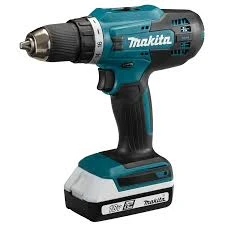

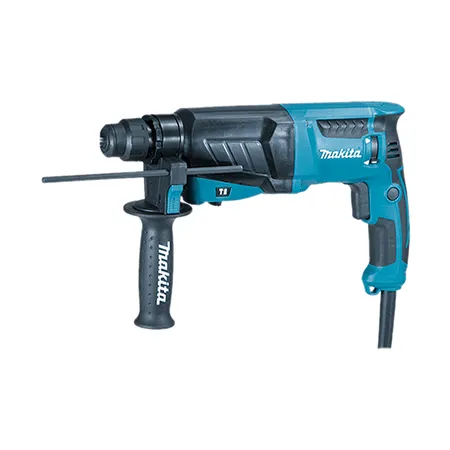
Makita power tools are known for durability, performance, and consistent engineering. Whether you’re a professional contractor or a serious DIY user, tool lifespan is an important factor when making an investment. While there’s no single number that applies to every situation, Makita power tools are built to deliver years of reliable service when used and maintained properly. Understanding what affects their lifespan helps you get the most value from your equipment.
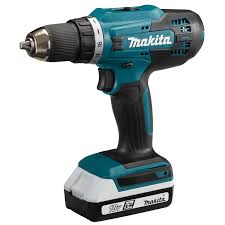
Average Lifespan Expectations
In real-world conditions, a Makita power tool can last anywhere from 5 to 10 years or more. For professionals who use tools daily, lifespan may lean toward the lower end of that range, while occasional users may see their tools running well beyond a decade.
Cordless tools often depend heavily on battery health. Makita lithium-ion batteries typically maintain strong performance for 3 to 5 years with proper charging habits. Even when batteries wear out, replacing them allows the tool body itself to continue working for many additional years.
Build Quality and Engineering
One reason Makita tools last so long is their solid internal construction. High-grade motors, durable gear assemblies, and impact-resistant housings are designed to withstand vibration, dust, and job site abuse. Many Makita tools include protective features such as overload protection, heat management, and dust sealing, which reduce internal wear.
This engineering focus doesn’t just prevent sudden failure — it slows gradual deterioration, allowing the tool to maintain consistent performance over time.
Usage Intensity Matters
How frequently and aggressively a tool is used has a direct impact on longevity. A drill used occasionally for home repairs experiences far less stress than one used daily on construction sites. Heavy workloads generate heat, friction, and wear that naturally shorten service life.
That said, Makita tools are designed with professional workloads in mind. Even under demanding use, they typically maintain reliability longer than many lower-grade alternatives.
Maintenance Extends Tool Life
Proper care plays a major role in how long any power tool lasts. Simple habits can significantly extend the lifespan of Makita equipment:
- Cleaning dust and debris after use
- Keeping ventilation areas clear
- Storing tools in dry conditions
- Charging batteries correctly
- Inspecting cords, brushes, and attachments
Routine maintenance prevents buildup and overheating, which are common causes of premature wear.
Battery Care for Cordless Models
For cordless Makita tools, battery health is critical. Avoid fully draining batteries regularly, and don’t leave them in extreme heat. Using Makita’s recommended chargers ensures balanced charging, which helps preserve battery cells.
When batteries begin losing capacity, replacing them restores performance without needing a new tool body — a cost-effective way to extend usability.
Signs It’s Time for Service or Replacement
Even durable tools show wear over time. Reduced power, unusual noise, overheating, or inconsistent operation may indicate worn components. Many Makita tools can be serviced with replacement parts, allowing them to continue functioning instead of being discarded.
If repair costs outweigh replacement value, upgrading may be the smarter choice — especially when newer models offer efficiency improvements.
Final Thoughts
Makita power tools are built for long-term performance, often delivering many years of dependable service under proper care. Their lifespan depends on usage intensity, maintenance habits, and battery management. With responsible handling and occasional servicing, these tools can remain productive companions on job sites and home projects for far longer than expected. Investing in quality tools — and maintaining them well — ensures you get maximum reliability and return over time.




























Sign in to leave a comment.