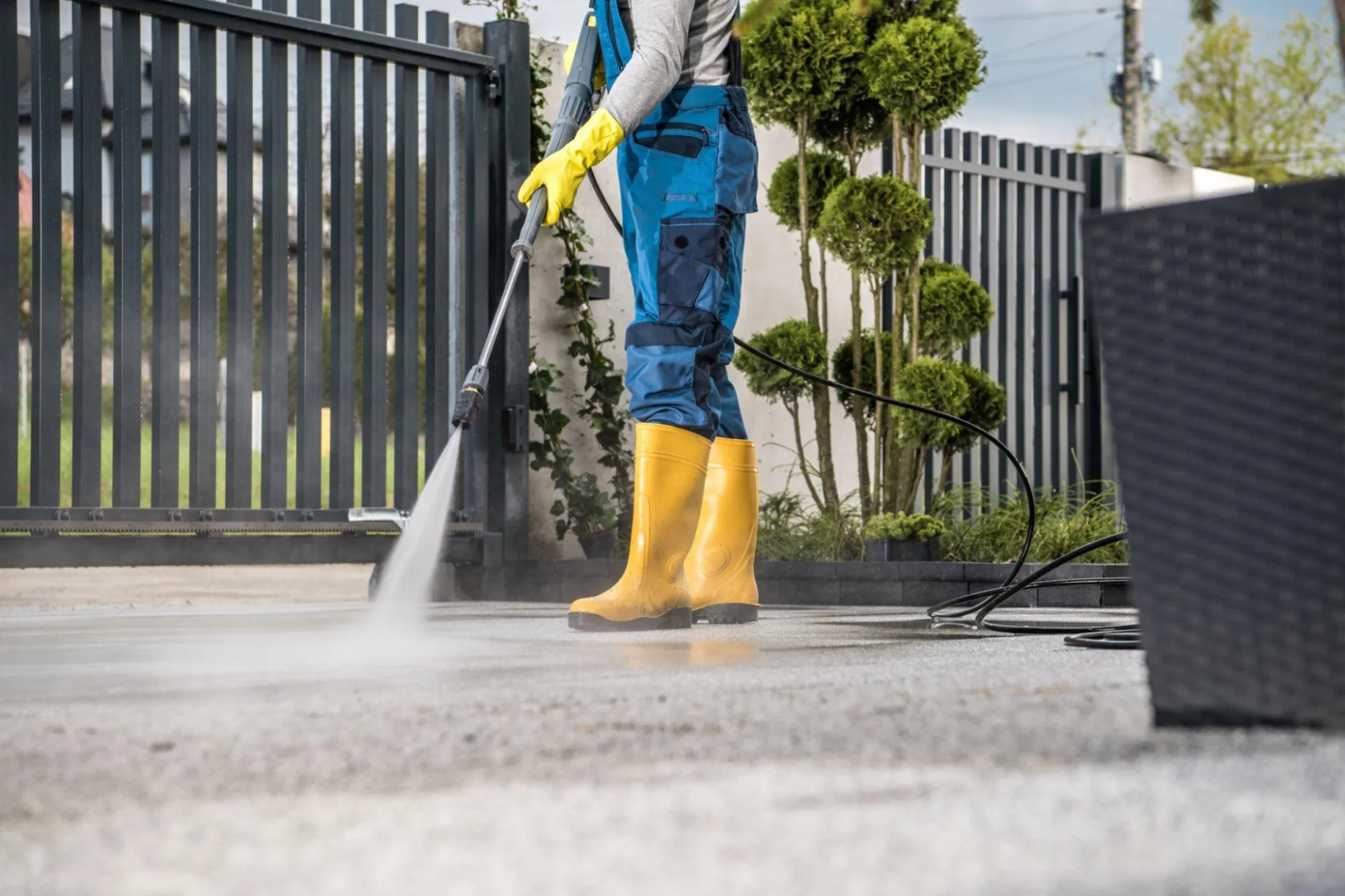

Pressure washing timelines depend on surface type, property size, level of dirt buildup, and equipment strength. Every project has unique conditions that influence total completion time. A small walkway may finish quickly, while a full exterior house wash can take several hours due to multiple cleaning stages. Professional services such as crystal clean pressure washing usually begin with an on-site evaluation to determine accurate timing. Planning ahead helps property owners manage schedules, prepare access points, and understand what affects overall duration without unexpected delays.
What Affects Pressure Washing Time?
Pressure washing duration changes based on several practical factors related to surface condition and job complexity. Large surface areas naturally require more time, especially when multiple sections need attention. Material type also plays a role since concrete, wood, and vinyl respond differently to water pressure. Heavy buildup of grime, algae, or grease extends cleaning cycles. Equipment capacity, water access, and surface accessibility further influence efficiency. Pre-treatment requirements and safety precautions around landscaping or fixtures also add time to ensure complete and careful cleaning results.
Average Time for Common Pressure Washing Jobs
Different exterior surfaces require different timeframes depending on size and cleaning difficulty. A single-car driveway often takes between 30 and 60 minutes, while a double-car driveway may extend up to two hours. Sidewalks and walkways usually fall within a similar range depending on length and buildup. Decks and patios take longer due to surface sensitivity and detailing requirements, often ranging from one to three hours. Full house exterior washing varies significantly, with single-story homes taking a few hours and larger two-story properties requiring most of a working day.
Preparation Time Before Pressure Washing Begins
Preparation work plays a major role in the total project timeline and ensures smooth cleaning execution. Technicians begin by inspecting the property and identifying areas that require special attention. Outdoor furniture, decorations, and movable items are cleared to create a safe working space. Plants and sensitive surfaces are covered to prevent damage from water or cleaning solutions. Water connections are checked, and equipment is set up for operation. Depending on property size and complexity, preparation can take a short period or extend longer for detailed setups.
Step-by-Step Pressure Washing Process Duration
Pressure washing follows a structured process where each stage contributes to total cleaning time. The work begins with inspection and setup, followed by a surface rinse that loosens dirt and debris. Cleaning solutions may be applied to break down stains, oil marks, or organic growth. The main pressure washing phase removes contaminants using controlled water pressure. Edges, corners, and tight spaces require detailed attention for even results. A final rinse and inspection complete the process, ensuring consistent cleanliness and confirming that no areas are missed.
Weather and Environmental Impact on Cleaning Time
Weather conditions significantly influence pressure washing efficiency and overall duration. High humidity can slow drying time, while extreme heat may cause cleaning agents to dry too quickly, requiring reapplication. Wind can affect spray direction and reduce accuracy, leading to longer cleaning cycles. Cooler temperatures may reduce equipment performance and extend the process. Sun exposure also impacts how quickly surfaces dry after cleaning. Environmental factors are always considered during scheduling to maintain efficiency and ensure high-quality results without unnecessary delays.
How Professionals Optimize Pressure Washing Time
Experienced technicians use specialized methods and equipment to complete pressure washing efficiently without sacrificing quality. Commercial-grade machines deliver higher pressure output, reducing the need for repeated cleaning passes. Pre-treatment solutions break down tough stains faster, improving workflow speed. Systematic cleaning patterns help maintain consistency across large areas. Surface cleaning attachments are used for flat areas to cover more space in less time. Larger properties may involve multiple technicians working simultaneously, allowing different sections to be cleaned in parallel for faster completion.
When a Pressure Washing Job Takes Longer Than Expected
Some cleaning projects naturally extend beyond standard time estimates due to surface condition or environmental challenges. Heavy mold buildup, oil stains, and long-term neglect require repeated treatment cycles for full removal. Multi-story buildings add complexity due to safety precautions and access limitations. Narrow spaces or restricted water supply can slow down workflow. Additional time may also be needed for chemical dwell periods between applications. These conditions are typically assessed during initial inspection to provide realistic scheduling expectations for property owners.
Final Thoughts
Pressure washing duration varies widely depending on property size, surface material, and cleaning complexity. Smaller residential tasks can be completed in under an hour, while larger homes or heavily soiled surfaces may require several hours. Proper preparation, professional equipment, and structured cleaning methods improve efficiency and reduce delays. Understanding these timing factors allows property owners to plan effectively and set realistic expectations. Well-managed pressure washing projects deliver consistent results while maintaining efficient use of time across all stages of cleaning.


























Sign in to leave a comment.