
Your body is incredibly resilient but it does not always move at the same speed as your scale. Many people find that after they hit their target weight, their skin seems to be lagging behind in the transformation process. You might notice a softness or a lack of tension in areas like the stomach, arms or thighs. While it is frustrating to wait, your skin is a living organ that requires a specific amount of time to reorganize its structural proteins after a period of significant stretching.
How Your Skin Responds to Change
Think of your skin like a high quality elastic band - When you stretch it for a short time, it snaps back instantly. If that band stays stretched for years, it begins to lose some of its original tension. Your skin relies on two main components - collagen, which provides the foundation and elastin, which allows for movement. When you lose weight, the fat cells shrink but the collagen fibers that were pulled tight may stay elongated for a while.
The process of "remodeling" is what you are waiting for - This is when your body breaks down old, damaged tissue and replaces it with newer, firmer structures - this does not happen overnight because your cells have a specific life cycle. You are essentially asking your body to renovate its largest organ while you are still living in it. Many people see the most dramatic natural changes within the first six months after their weight stabilizes.
It is important to distinguish between truly "excess" skin and "loose" skin. If there is still a layer of soft tissue underneath that feels like a pinchable pad, your body might still be holding onto stubborn fat stores. True loose skin feels very thin, almost like tissue paper. Identifying which one you have helps you set realistic expectations for the coming months.
The Realistic Timeline for Recovery
How long do you actually have to wait? For most individuals, the skin tightening process takes anywhere from six months to two years. It is rare to see the final result in less than half a year. During the first ninety days after weight loss, your body is often in a state of metabolic adjustment. It focuses more on balancing hormones and internal health than on the surface layer of your belly or arms.
By the six month mark, you can usually tell how much "snap-back" your skin has left. If you still see significant sagging after one full year of maintaining a stable weight, the natural retraction process has likely slowed down. At this point, the changes become more subtle. You might notice small improvements in texture and thickness but the overall "drape" of the skin usually stays fairly consistent after the eighteen month mark.
Consistency is your best friend during this window - If your weight fluctuates up and down by ten pounds every month, your skin never gets the chance to settle into its new shape. Staying at an even number tells your body that it is safe to begin the long term repair work. Many find that patience is the hardest part of the journey but rushing into aggressive solutions too early can lead to unnecessary costs.
Variables That Influence Your Results
Not everyone experiences the same rate of recovery - Several factors dictate if your skin will tighten up quickly or take its time. Age is a major contributor - as we get older, our natural production of structural proteins drops significantly. A twenty-year-old will almost always see faster results than a fifty-year-old because their cellular turnover is much more aggressive.
The total amount of weight lost also plays a huge role - Losing twenty pounds is a minor adjustment for the skin. Losing one hundred pounds or more creates a significant amount of surface area that simply may not have the capacity to shrink back fully. The duration of time you spent at a higher weight matters too. If the skin was stretched for a decade, the internal fibers have undergone more permanent changes than if the weight gain was short term.
Common factors affecting skin elasticity
- Hydration levels
Dehydrated skin is brittle and less likely to retract. - Sun exposure
UV rays damage elastin, making it harder for skin to bounce back. - Nutrition
A lack of protein and vitamin C prevents the body from building new collagen. - Smoking
This habit reduces blood flow to the skin and destroys existing structural fibers.
Supporting Your Body During the Transition
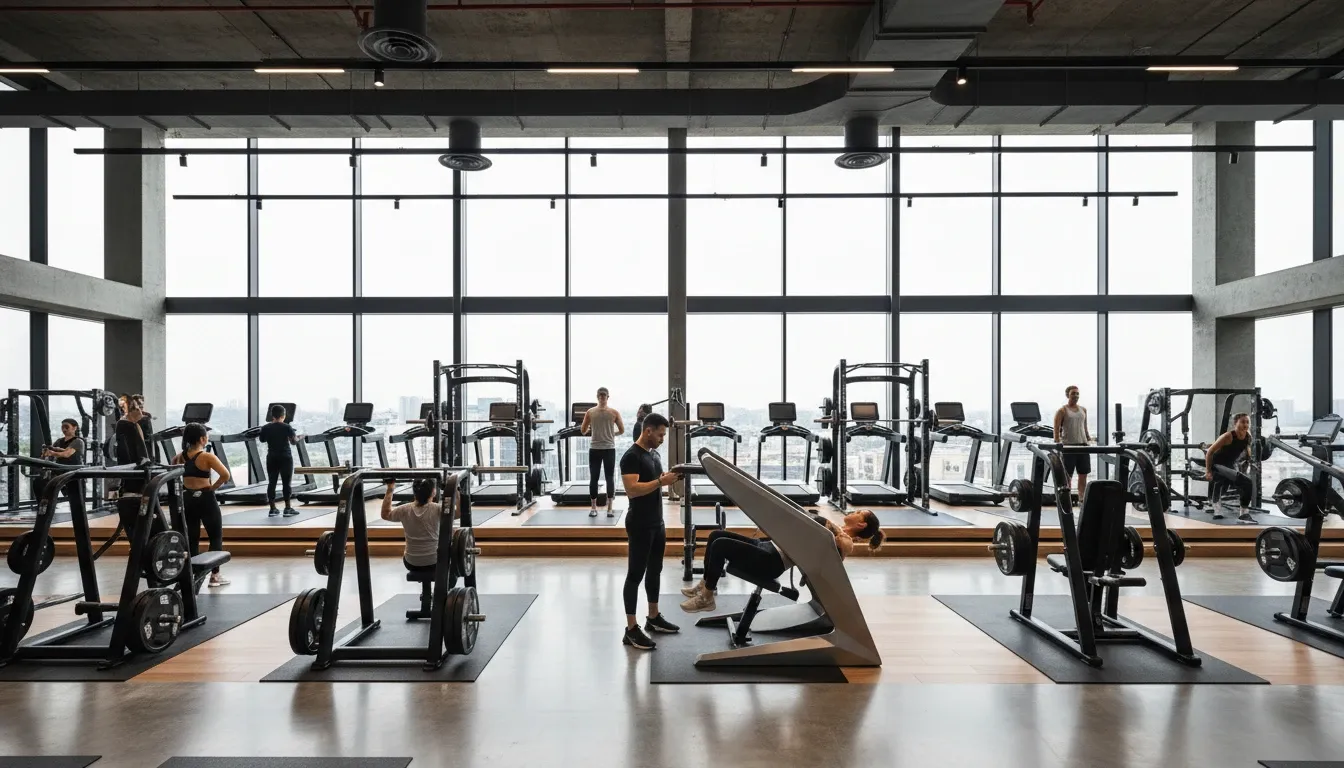
While you wait for time to do its work, you can take active steps to help the process along. Resistance training is perhaps the most effective tool at your disposal. While lifting weights does not "shrink" the skin itself, building muscle underneath the skin helps fill out the empty space - this creates a firmer, more toned appearance and reduces the look of sagging. Instead of having a "hollow" area where fat used to be, you have a solid foundation of muscle.
External care is also helpful, though it is not a magic fix. Moisturizing daily keeps the skin supple and healthy. Look for ingredients that support the skin barrier. While creams cannot reach the deep dermis where the real tightening happens, they improve the surface texture, making the skin look more vibrant and less "crepey" Brushing the skin gently with a dry brush is another popular method to encourage blood flow to the surface.
Dietary choices are the fuel for your skin's repair kit - You need adequate amino acids to rebuild tissue. Many individuals find success - focusing on a high protein diet paired with plenty of leafy greens and colorful vegetables - these foods provide the antioxidants necessary to protect your skin cells from oxidative stress during the recovery period.
Exploring Targeted Research & Science
Sometimes, natural methods and time reach their limit - In the scientific community, there is a growing interest in how specific molecules influence skin density. For instance, researchers often look into copper binding complexes because of their role in tissue remodeling. You can find a deeper explanation of copper peptides and how they interact with skin cells in various laboratory studies.
There are also clinical treatments that use heat or light to trigger the body's healing response. Radiofrequency and ultrasound therapies work - warming the deep layers of the skin to "injure" the collagen slightly - this sounds scary but it actually tricks the body into producing a fresh, tight layer of new collagen - these treatments are non invasive and can be helpful for those who have mild to moderate sagging.
For those interested in the broader field of biotechnology, there are many ongoing discussions regarding scientific laboratory handling of various compounds used in cellular research. While these are often reserved for clinical or research settings, they represent the future of how we might manage skin health after major weight changes. Always remember that your health is a long term project and focusing on wellness from the inside out is the most reliable strategy.
FAQ
Can I tighten my skin with just exercise?
Exercise helps - building muscle to fill the space under the skin. It makes the area look firmer but it does not technically shrink the skin itself. It is a great way to improve your silhouette while your skin naturally recovers.
Do tightening creams actually work?
Creams are excellent for hydrating the surface and improving the look of your skin. They generally cannot penetrate deep enough to cause significant structural tightening. They are a supportive tool rather than a primary solution.
When should I consider surgery?
Many experts suggest waiting at least 12 - 18 months after your weight has stabilized - this gives your body enough time to do all the natural tightening it can do. If you still have large folds of skin after two years, surgery may be the only option for removal.
Is hydration really that important for loose skin?
Yes. Water is essential for skin elasticity - When you are dehydrated, your skin loses its "plumpness" and becomes more prone to wrinkling and sagging. Drinking enough water ensures that the cells remain functional and resilient.
Does the speed of weight loss affect skin sagging?
Losing weight very quickly often gives the skin less time to adapt gradually. While the end result might be similar, a slower, more steady weight loss often allows the skin to retract more effectively during the process.



























Sign in to leave a comment.