
Introduction
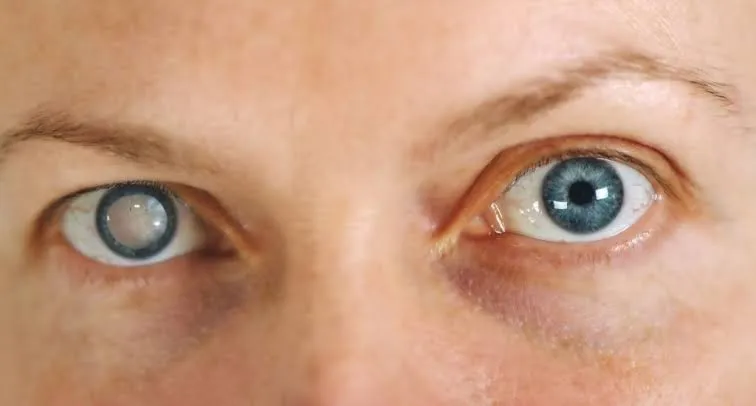
Cataracts are one of the most common age-related eye conditions and a leading cause of reversible vision loss. They develop when the natural lens inside the eye gradually becomes cloudy, preventing light from reaching the retina clearly. As the cataract progresses, everyday activities such as reading, driving, watching television, and recognizing faces become increasingly difficult. Fortunately, modern cataract surgery offers an effective solution by replacing the cloudy lens with a clear artificial intraocular lens, helping patients regain better vision and improve their quality of life.
Although cataract surgery is highly successful, many patients wonder how long it takes before their vision becomes completely clear. While some individuals notice improvement within a day or two, complete recovery usually occurs gradually as the eye heals. Temporary changes such as mild blurring, light sensitivity, or watery eyes are common during the early recovery period and generally improve with proper postoperative care.
People considering cataract eye surgery in Navi Mumbai often seek detailed information about the recovery process, expected vision improvement, and factors that influence healing. Understanding each stage of recovery helps patients remain confident and better prepared throughout the healing journey.
This article explains how vision improves after cataract surgery and what patients can expect during recovery.
Understanding Cataracts
The eye contains a transparent natural lens that focuses light onto the retina.
With aging, proteins within this lens gradually change, causing cloudiness that affects vision.
This clouding is called a cataract.
Common Symptoms Before Surgery
Patients frequently notice:
- Blurred vision
- Increased glare
- Difficulty driving at night
- Faded colors
- Frequent eyeglass prescription changes
- Reduced contrast sensitivity
Symptoms usually worsen slowly over time.
What Happens During Cataract Surgery?
During surgery, the cloudy natural lens is removed through a small incision.
A clear artificial intraocular lens is then implanted.
The new lens permanently replaces the cloudy lens and restores the eye's focusing ability.
Immediately After Surgery
Most cataract procedures are completed on an outpatient basis.
During the first several hours, patients may experience:
- Mild discomfort
- Watery eyes
- Slight haziness
- Temporary light sensitivity
These symptoms generally improve quickly.
The First Few Days
Many patients notice brighter vision within the first few days.
However, vision may fluctuate because:
- Mild swelling remains.
- The eye is adjusting to the new lens.
- Surface dryness temporarily affects clarity.
This is usually part of the normal healing process.
Understanding Temporary Cloudiness
Some patients require evaluation for cloudy vision treatment if postoperative swelling, inflammation, or dry eye causes temporary haziness during recovery. Most cases improve gradually as healing progresses and the eye stabilizes.
Persistent symptoms should always be evaluated by the ophthalmologist.
Recovery During the First Week
As healing continues, patients often notice:
- Improved sharpness
- Better color perception
- Reduced glare
- Improved reading ability
Follow-up appointments confirm that recovery is progressing normally.
Recovery Over the Following Weeks
During the first month, healing continues steadily.
Many patients experience:
- Stable vision
- Improved depth perception
- Better contrast sensitivity
- Greater comfort during daily activities
Complete stabilization varies between individuals.
Factors Affecting Recovery
Several factors influence visual improvement.
These include:
- Age
- General health
- Diabetes
- Existing retinal conditions
- Corneal health
- Compliance with medications
Every patient's recovery timeline differs.
Importance of Eye Drops
Prescription eye drops remain essential after surgery.
They help:
- Prevent infection
- Reduce inflammation
- Support healing
- Improve comfort
Patients should never discontinue medications without medical advice.
Returning to Daily Activities
Most patients may gradually resume:
- Walking
- Reading
- Watching television
- Computer use
- Light household work
Activities temporarily avoided include:
- Heavy lifting
- Swimming
- Dust exposure
- Eye rubbing
Following instructions protects the healing eye.
Warning Signs That Need Immediate Care
Patients should contact their ophthalmologist immediately if they notice:
- Severe pain
- Sudden vision loss
- Persistent redness
- Numerous flashes
- New floaters
Prompt medical evaluation reduces the risk of complications.
Importance of Professional Eye Care
Receiving treatment at a trusted hospital for eye problems in seawoods navi mumbai provides access to experienced ophthalmologists, modern diagnostic technology, advanced surgical equipment, personalized treatment planning, and structured postoperative care that supports safer surgery and better long-term visual outcomes.
Comprehensive care contributes significantly to recovery success.
Long-Term Vision After Surgery
Most patients eventually experience:
- Clearer vision
- Brighter colors
- Improved night driving
- Greater independence
- Enhanced quality of life
Some individuals may still use glasses for reading or specific visual tasks depending on the implanted lens.
Supporting Healthy Recovery
Patients can support healing by:
- Using medications regularly
- Attending follow-up appointments
- Wearing protective eyewear
- Avoiding eye injury
- Maintaining good hygiene
- Following dietary recommendations
Healthy habits promote smoother recovery.
Common Recovery Myths
Vision Should Become Perfect Immediately
Healing is gradual and differs among patients.
Temporary Blur Indicates Surgical Failure
Mild temporary blurring is often part of normal healing.
Surgery Ends Eye Care
Regular follow-up remains important even after successful surgery.
Understanding these misconceptions helps patients recover with confidence.
Conclusion
Cataract surgery provides one of the safest and most effective methods for restoring vision affected by age-related cataracts. Although many patients notice brighter and clearer vision within a few days, complete recovery usually occurs gradually over several weeks as the eye continues healing. Following postoperative instructions, attending regular follow-up visits, and maintaining healthy eye care habits all contribute to successful long-term outcomes.
Individuals considering cataract eye surgery should understand that recovery varies depending on overall eye health and individual healing response. Patients requiring cloudy vision treatment during the healing process often improve with appropriate medical evaluation and supportive care. Choosing a reputable hospital for eye problems seawoods navi mumbai provides comprehensive cataract care, advanced technology, and experienced ophthalmologists who support excellent visual recovery.
Frequently Asked Questions
How soon can vision improve after cataract surgery?
Many patients notice improvement within a few days, although complete healing takes several weeks.
Is cloudy vision normal after surgery?
Mild temporary cloudiness may occur during early recovery and usually improves naturally.
Can I return to work quickly?
Many patients resume light work after receiving approval from their ophthalmologist.
Why are follow-up appointments necessary?
They help monitor healing and identify any complications early.
Can cataracts develop again after surgery?
The removed cataract does not return, although other treatable eye conditions may occasionally affect vision later.


























Sign in to leave a comment.