

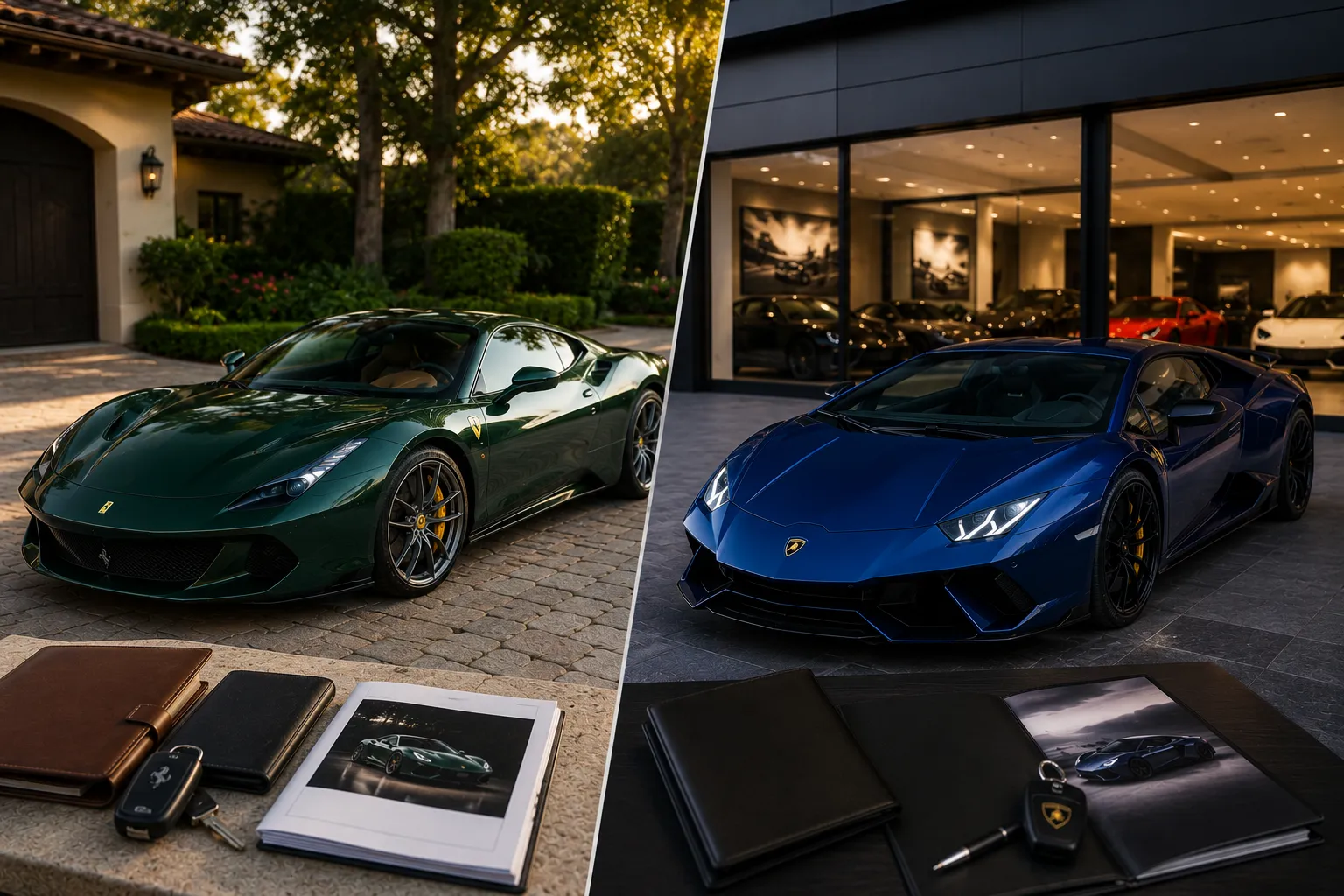
There's a question that comes up for almost every luxury car owner eventually, usually a few years into ownership, and rarely with an obvious answer. The car still runs well. It still looks good. But a newer model has caught your eye, or the maintenance bills have started creeping up, or something about the car simply feels less exciting than it once did. Is it time to upgrade, or are you just experiencing the normal restlessness that comes with owning anything for a while?
There's no single right answer, but there is a clearer way to think through the decision than most people use.
The Financial Case for Holding Longer
Depreciation is steepest in the first three to four years of a vehicle's life and then flattens out considerably. A car that's already three years old has absorbed the worst of that decline, which means every additional year you keep it tends to cost you less in depreciation than the equivalent year would have cost on a newer vehicle.
This dynamic strongly favors holding a luxury car longer than the new car cycle typically encourages. According to Kelley Blue Book, the depreciation curve on most luxury vehicles flattens significantly after the fifth year, meaning the years from five to ten often represent the lowest-cost period of ownership relative to the value still being delivered.
Maintenance Costs Eventually Shift the Calculation
This financial case has a limit. As a luxury vehicle ages, particularly past the eighty or ninety thousand mile mark, certain maintenance items become more frequent and more expensive: suspension components, electronics, and on some models, transmission service. At some point, the annual maintenance cost on an aging vehicle can approach or exceed what the equivalent annual depreciation would be on a newer pre-owned replacement.
This is the point where holding longer stops being the obviously cheaper option. Tracking your actual annual maintenance spend, rather than relying on a general sense that the car has gotten "more expensive lately," gives you a real number to compare against the cost of upgrading.
Reliability Risk Increases Gradually, Then Sometimes Suddenly
Most well-maintained luxury vehicles remain reliable well past the point where casual observers might expect trouble. But there's often an inflection point, frequently tied to specific components reaching the end of their expected service life, where the likelihood of a significant repair increases more sharply than the gradual maintenance cost increase alone would suggest.
This is difficult to predict precisely, but a trusted independent mechanic who knows the specific model well can often flag when a vehicle is approaching this point, based on what they're seeing on similar cars of the same age and mileage. This is one of the more valuable, and most underused, resources available to long-term luxury car owners trying to time an upgrade decision.
What You Actually Want Matters More Than What the Spreadsheet Says
The financial calculation only tells part of the story. Some owners are genuinely happy keeping a car for a decade or more, and for them, holding longer is clearly the right call both financially and personally. Others find that their satisfaction with a car declines well before the financial case for upgrading becomes compelling, and for them, upgrading sooner, even at some financial cost, is a reasonable trade for daily satisfaction with what they're driving.
Neither preference is wrong. The mistake is letting one of these factors override the other without acknowledging the trade-off explicitly. If you're upgrading primarily for excitement rather than necessity, that's a legitimate reason, but it's worth being honest with yourself about the cost involved rather than rationalizing it as a purely financial decision.
The Used Market Makes Frequent Upgrading More Reasonable Than It Used To Be
One factor that's changed this calculation over the past decade is the maturity of the pre-owned luxury market itself. Buying and selling within that market, rather than always comparing against new car pricing, significantly reduces the cost of upgrading more frequently. Trading a five-year-old luxury car for a three-year-old one, for example, often involves a much smaller financial gap than trading for a brand-new equivalent, since both vehicles have already absorbed meaningful depreciation.
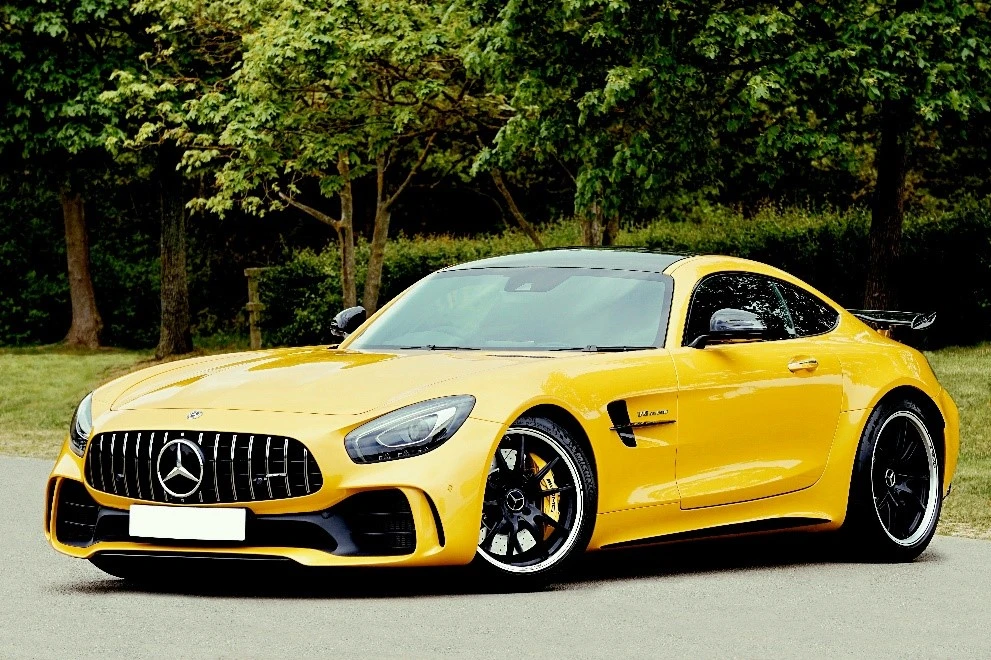
Specialist dealers in pre-owned luxury, like Coast to Coast Imports across Indianapolis and Fort Lauderdale, work within exactly this part of the market, helping owners trade into a newer pre-owned vehicle without the steep cost gap involved in moving to something brand new.
Their curated inventory of BMW, Mercedes-Benz, Porsche, Audi, and Bentley vehicles makes this kind of lateral upgrade considerably more accessible than it would be shopping exclusively in the new car market.
A Practical Way to Decide
A few questions tend to clarify the decision better than a single rule of thumb. Has your annual maintenance cost increased meaningfully over the past year or two, and is that trend likely to continue? Has a trusted mechanic flagged any components approaching the end of their service life? Has your satisfaction with the car declined in a way that's affecting how often you actually enjoy driving it? Would moving to a newer pre-owned vehicle, rather than a new one, close the gap you're feeling at a cost that makes sense given where you are financially?
Answering these honestly, rather than reacting to a single expensive repair bill or a moment of envy at a newer model, tends to produce a clearer and more satisfying decision either way.
There's No Universal Right Answer
Some owners get a full decade of satisfying ownership from a single luxury vehicle. Others find that upgrading every three to four years, particularly by moving laterally within the pre-owned market rather than always buying new, suits both their finances and their enjoyment of driving better. Both approaches can be entirely reasonable, provided the decision is made deliberately rather than out of habit or impulse.
The question isn't really how long you should keep a luxury car. It's whether you've actually checked in on the calculation recently, rather than assuming the answer that made sense three years ago still applies today.
























Sign in to leave a comment.