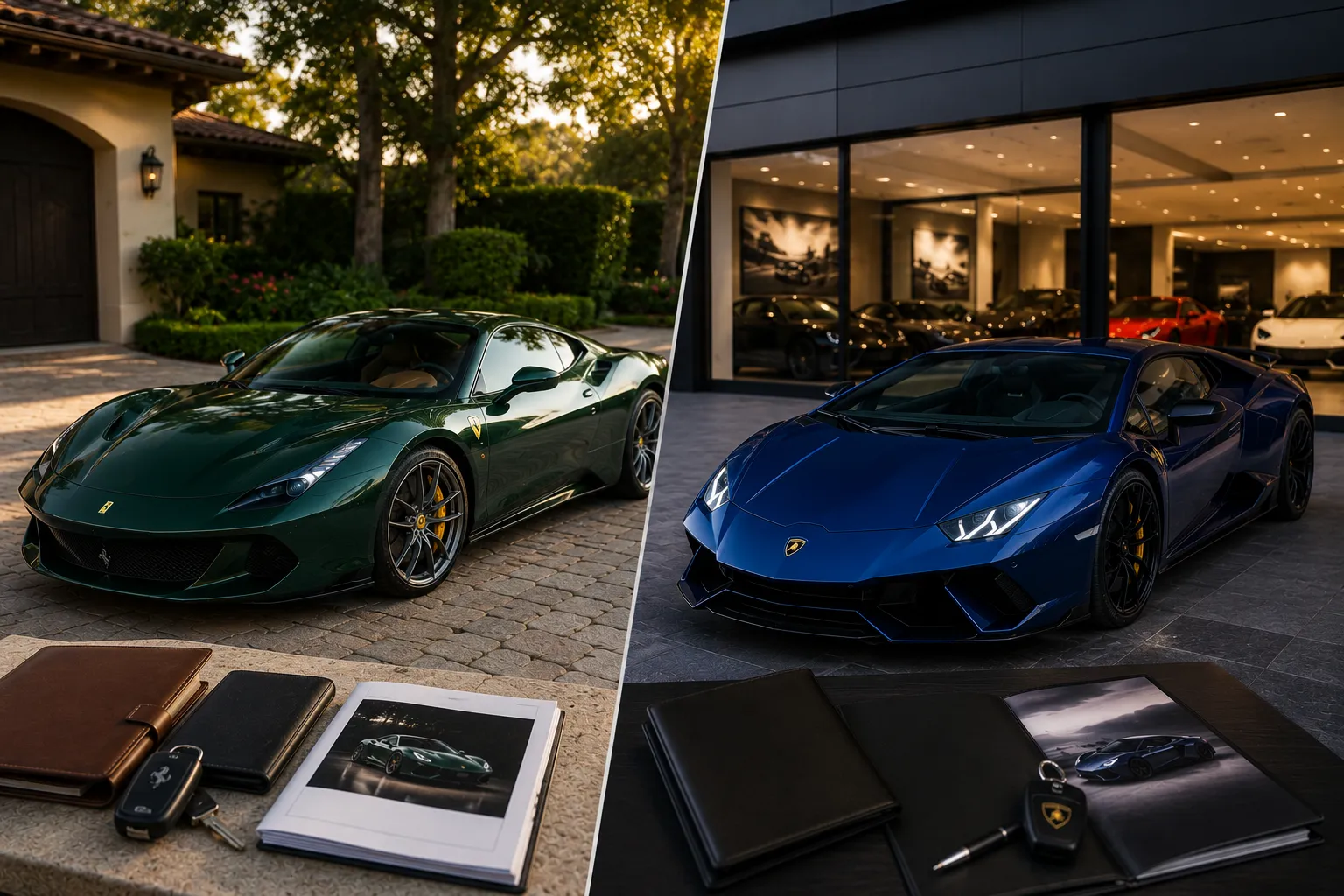

Mention a European luxury car at a dinner party and someone will almost certainly have a story.
"My friend's BMW spent more time in the shop than on the road."
"My neighbor's Mercedes cost thousands to repair."
"I'd never own an Audi after the warranty expires."
These stories have become so common that many buyers accept them as fact. Yet the reality is far more nuanced. While European luxury vehicles can be more expensive to maintain than mainstream alternatives, the idea that they're inherently unreliable oversimplifies a much larger conversation.
The reputation exists for reasons, but not always the reasons people assume.
Reliability and ownership costs are not the same thing
One of the biggest misconceptions is treating reliability and repair costs as interchangeable.
A vehicle can require very few repairs while still being expensive to maintain.
European manufacturers often design vehicles with advanced suspension systems, turbocharged engines, sophisticated electronics, and high-performance braking components. Those systems generally require specialized parts and technicians, which naturally increases service costs.
That doesn't necessarily mean the vehicle breaks down more often.
Many owners confuse expensive maintenance with poor reliability, even though the two measure different aspects of ownership.
Luxury cars simply do more
A family sedan with manual seats, basic climate controls, and conventional suspension has fewer components that can potentially fail.
A luxury vehicle might include:
- Adaptive air suspension
- Heated, cooled, and massaging seats
- Active safety technologies
- Multiple onboard computers
- Advanced infotainment systems
- Variable driving modes
- Performance-oriented drivetrains
Every additional feature introduces another system that requires engineering, software, and maintenance.
It's not surprising that a vehicle with significantly greater complexity demands more attention over time.
Maintenance schedules are often misunderstood
Many reliability complaints begin long before anything actually fails.
European manufacturers typically assume owners will follow scheduled maintenance precisely. Oil specifications, fluid intervals, transmission servicing, and cooling system maintenance are often more demanding than those of mainstream vehicles.
Problems arise when owners treat these vehicles like ordinary commuter cars.
Skipping recommended maintenance or delaying repairs to save money can quickly create larger—and more expensive—issues later.
In many cases, the reputation for unreliability reflects neglected maintenance rather than flawed engineering.
Not every European brand has the same track record
Grouping every European manufacturer into a single category ignores substantial differences.
Some models have established reputations for exceptional longevity, while others have experienced well-documented mechanical issues tied to specific engines, transmissions, or production years.
That is why experienced buyers rarely ask, "Is this brand reliable?"
Instead, they ask:
- Which engine does it have?
- Which model year?
- Has this generation had recurring issues?
- Was scheduled maintenance performed?
Those questions produce far more useful answers than broad assumptions about an entire manufacturer.
Technology evolves faster than reputations
Many opinions about European reliability are based on vehicles built fifteen or twenty years ago.
Automotive engineering has changed dramatically since then.
Manufacturers have improved powertrains, refined electronics, addressed known weaknesses, and incorporated lessons learned across multiple generations. At the same time, online forums have made it easier for isolated repair stories to spread, sometimes giving the impression that every owner experiences the same problems.
A single expensive repair shared thousands of times online can shape public perception more than years of uneventful ownership.
Service history tells a more important story than mileage
When shopping for a used European luxury vehicle, mileage often receives too much attention.
Documentation deserves more.
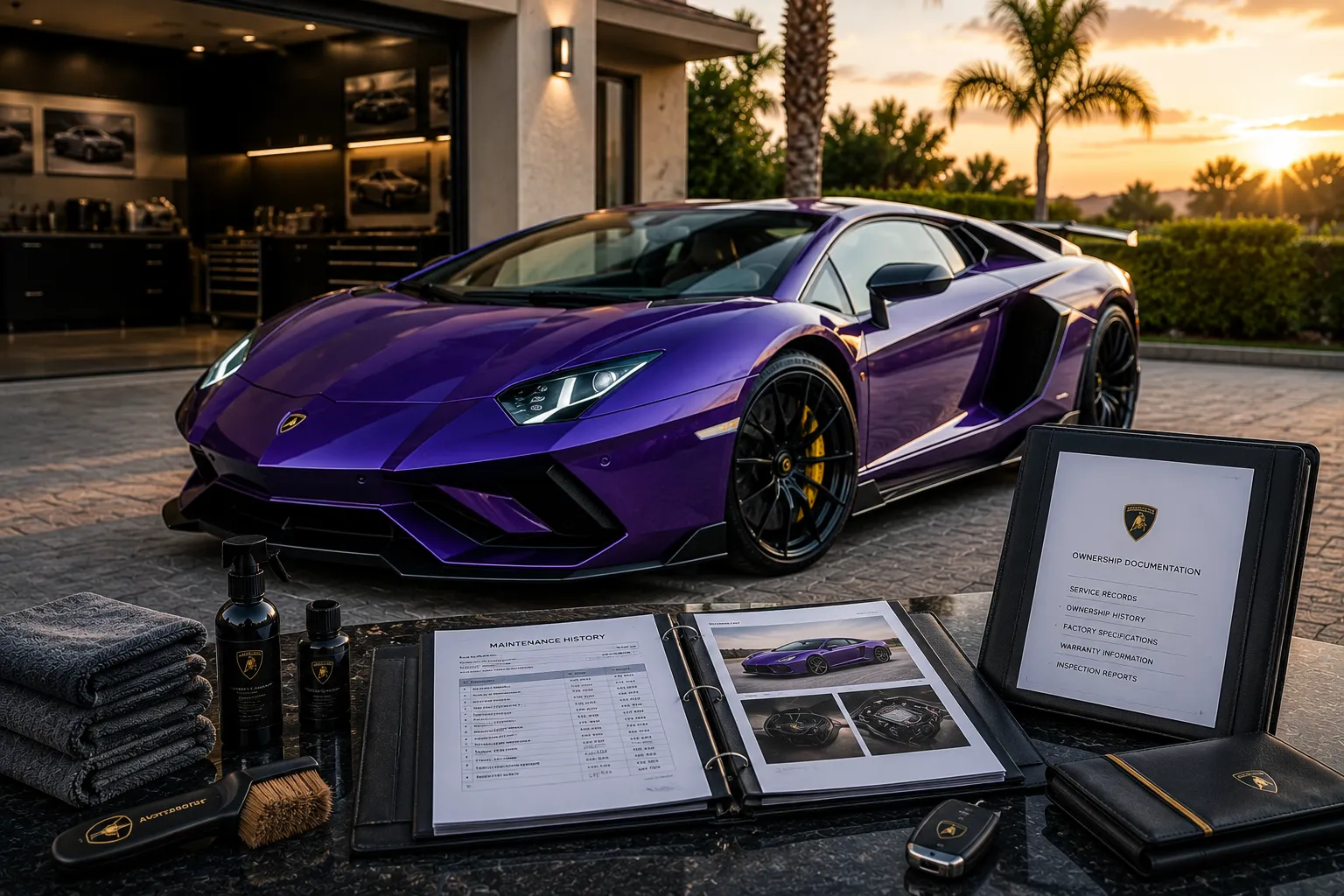
A car with 90,000 highway miles and meticulous service records may represent a safer purchase than a 45,000-mile example with inconsistent maintenance and long gaps between services.
According to guidance from CARFAX, reviewing maintenance history is one of the most effective ways to understand how a vehicle has been cared for over time. Regular servicing provides valuable insight into ownership habits and can help identify whether recommended maintenance was performed when it should have been.
For luxury vehicles in particular, those records often matter as much as the odometer.
Ownership expectations shape satisfaction
European luxury cars were engineered with different priorities than many mass-market vehicles.
Performance, handling, comfort, cabin refinement, and technology frequently receive as much attention as long-term operating costs.
Owners who understand those priorities tend to have very different experiences from buyers expecting economy-car maintenance expenses.
That doesn't make one approach better than the other. It simply reflects different design philosophies.
Buying a high-performance German sports sedan while expecting compact-car ownership costs often leads to disappointment, regardless of the vehicle's actual reliability.
Buying the right example matters more than buying the right badge
Two identical models can offer completely different ownership experiences depending on how they were treated.
Questions worth asking include:
- Was maintenance completed on schedule?
- Are service records complete?
- Has the vehicle been inspected by qualified technicians?
- Were quality replacement parts used?
- Has it been involved in significant accidents?
These factors frequently influence reliability more than the badge on the hood.
Buyers who focus only on brand reputation sometimes overlook outstanding vehicles simply because of outdated assumptions.
Specialist dealerships can reduce uncertainty
Finding a well-maintained European luxury vehicle often requires more than browsing online listings.
Specialist dealerships that focus on premium pre-owned inventory typically understand the importance of documented maintenance, careful inspections, and vehicle history. Many buyers compare vehicles through businesses such as Coast to Coast Imports, where curated inventories include brands like Porsche, BMW, Mercedes-Benz, Audi, Bentley, and other luxury manufacturers, making it easier to evaluate condition and ownership history alongside specifications.
That approach doesn't eliminate risk, but it can reduce much of the uncertainty that comes with shopping in the broader used-car market.
Reputation rarely tells the whole story
European luxury cars earned their reputation through a combination of engineering complexity, higher maintenance costs, memorable repair bills, and decades of stories passed from one owner to another.
Some of those stories are justified.
Many are incomplete.
Reliability is rarely determined by nationality alone. It is shaped by engineering decisions, maintenance habits, production year, previous ownership, and the expectations buyers bring with them. Looking beyond the stereotypes often reveals that the difference between a dependable luxury car and a troublesome one has less to do with where it was built and far more to do with how it has been cared for throughout its life.
























Sign in to leave a comment.