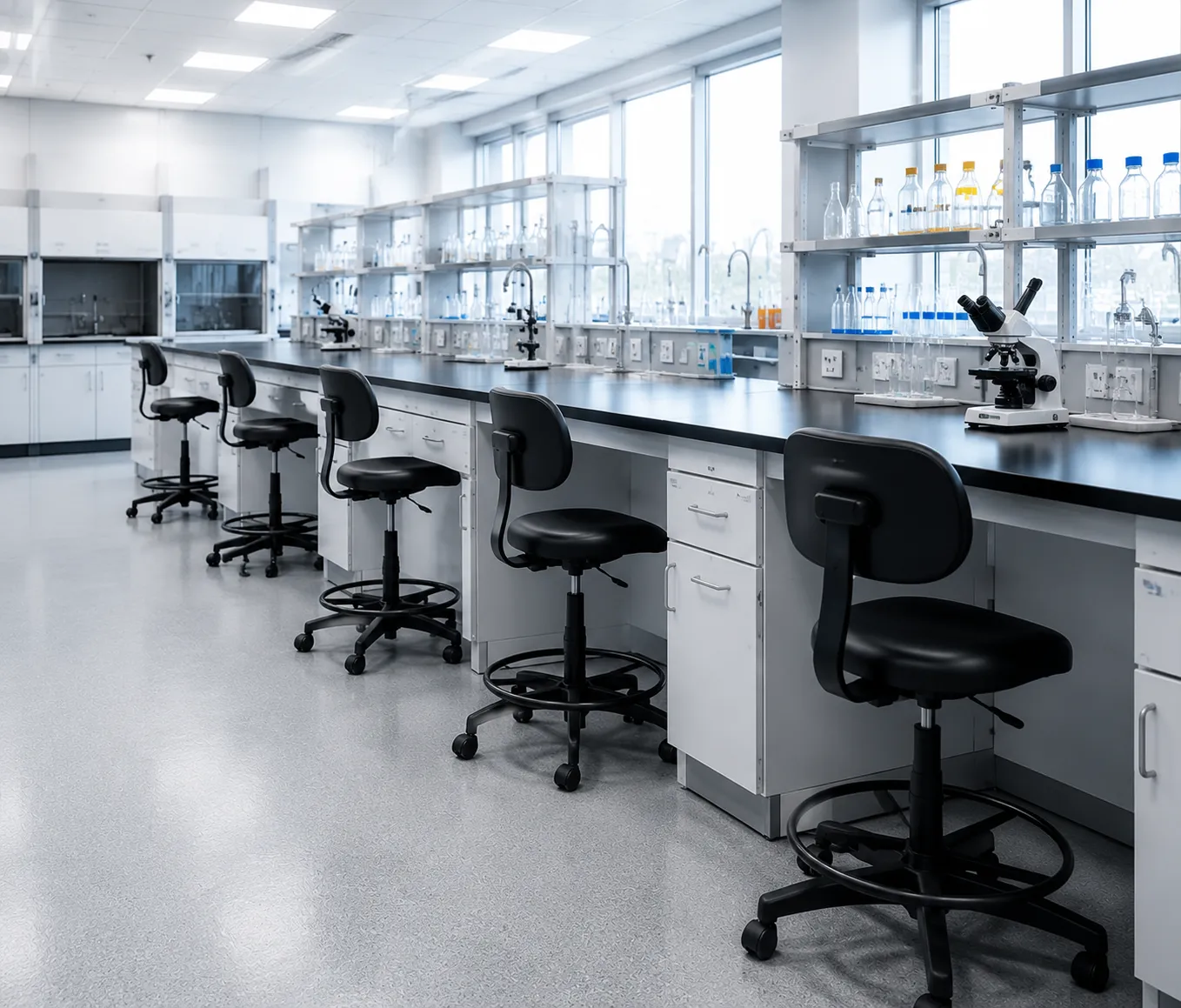

In today’s fast-paced scientific and industrial world, laboratories are not just functional spaces—they are hubs of innovation, safety, and productivity. Modern laboratory design focuses on combining ergonomic layouts, advanced technology, and regulatory compliance to create environments that enhance workflow and support evolving research or industrial needs.
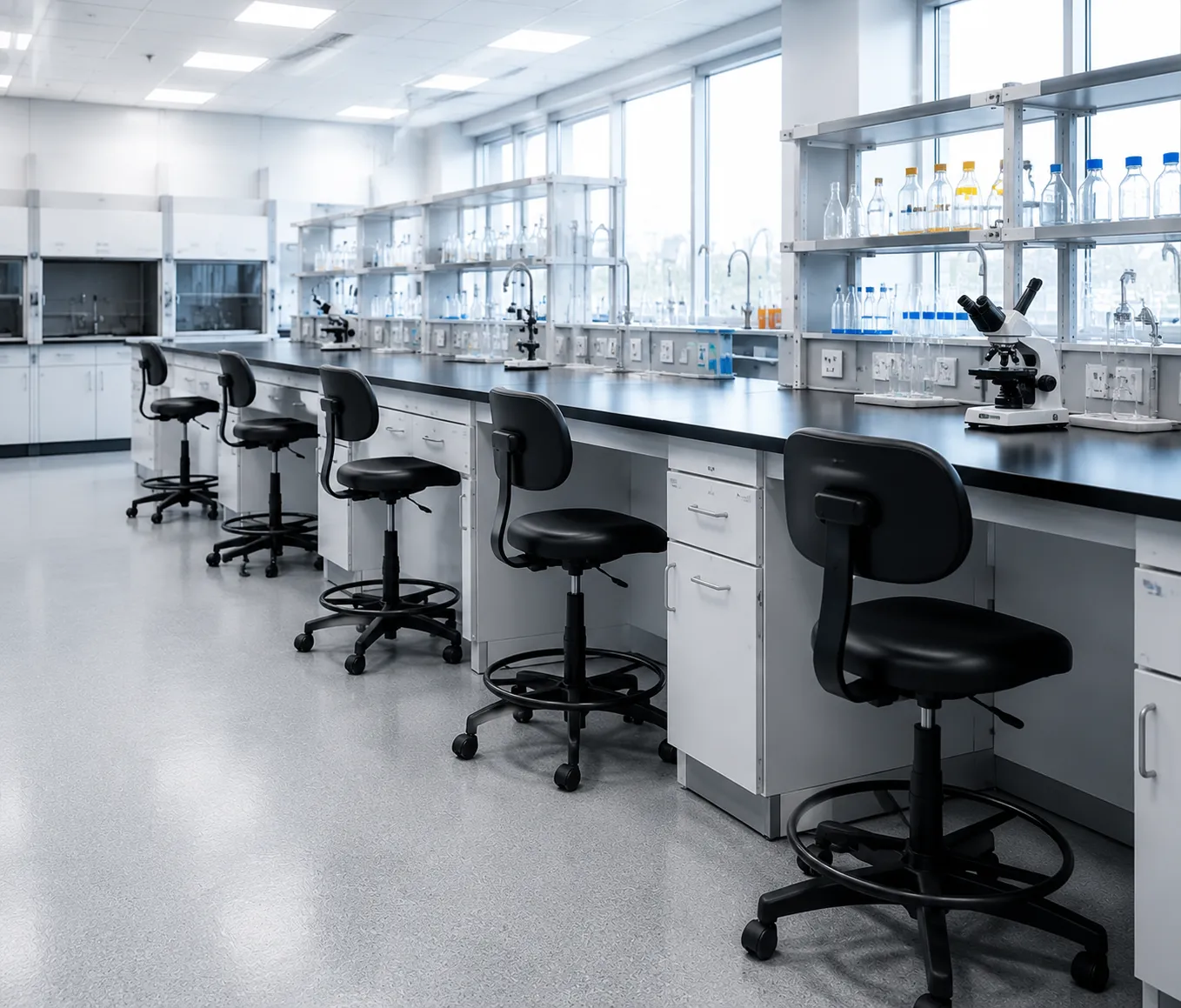
What Is Modern Laboratory Design?
Modern laboratory design involves planning, refurbishing, or building laboratories with efficiency, safety, and adaptability in mind. Unlike traditional lab layouts, modern design emphasizes:
- Optimized workflow for researchers and staff
- Integration of advanced equipment and technology
- Compliance with health, safety, and ISO standards
- Flexible layouts to accommodate future growth and evolving needs
- Sustainable and energy-efficient infrastructure
A well-executed design ensures that laboratories are not only functional today but can adapt to changing technologies and operational requirements.
Key Principles of Modern Laboratory Design
1. Safety and Compliance
A core aspect of any laboratory is ensuring staff safety and regulatory compliance. Modern labs incorporate:
- Advanced ventilation and fume extraction
- Fire safety and emergency systems
- Ergonomic workstations
- Safe chemical and hazardous material storage
2. Optimized Workflow
Modern laboratory layouts minimize unnecessary movement and maximize productivity. Designers consider:
- Logical placement of benches, equipment, and storage
- Zoning for wet labs, dry labs, and cleanrooms
- Easy access to utilities and workstations
3. Flexibility and Scalability
Modern laboratories are designed to grow with the organization. This includes:
- Modular furniture and movable partitions
- Scalable storage and workstations
- Space allocation for new equipment or expansion
4. Technology Integration
Modern labs must support advanced scientific instruments. Design considerations include:
- Electrical and network infrastructure for equipment
- Smart monitoring and automation systems
- Data management and IoT integration for lab operations
5. Sustainability
Energy-efficient and environmentally-friendly designs reduce operational costs and carbon footprint. Sustainable features include:
- LED and natural lighting
- Energy-efficient HVAC systems
- Low-impact materials and water-saving systems
Benefits of Modern Laboratory Design
- Enhanced Productivity: Optimized layouts improve workflow efficiency and collaboration.
- Increased Safety: Compliance with safety and ergonomic standards reduces risks.
- Future-Ready: Scalable designs accommodate new equipment, staff, and technologies.
- Cost Efficiency: Sustainable and efficient infrastructure reduces operational costs.
- Professional Appearance: A modern, clean lab enhances reputation and staff satisfaction.
Industries That Benefit from Modern Laboratory Design
- Pharmaceutical and biotechnology laboratories
- Research and educational institutions
- Healthcare and diagnostic laboratories
- Industrial and chemical testing facilities
- Food and beverage quality control labs
Choosing the Right Laboratory Design Partner
Selecting a professional lab design partner ensures:
- Expertise in ergonomic, safe, and compliant lab layouts
- Knowledge of current industry standards and regulations
- Turnkey solutions including planning, construction, and installation
- Support for future upgrades and technology integration
- Proven experience with commercial, educational, and research labs
Conclusion
Investing in modern laboratory design ensures laboratories are safe, efficient, and future-ready. From workflow optimization and ergonomic furniture to advanced technology integration and sustainability, professional lab design supports productivity, compliance, and long-term operational success. Whether you are building a new lab or upgrading an existing one, modern design principles are critical for creating high-performance, adaptable, and professional laboratory environments.

























Sign in to leave a comment.