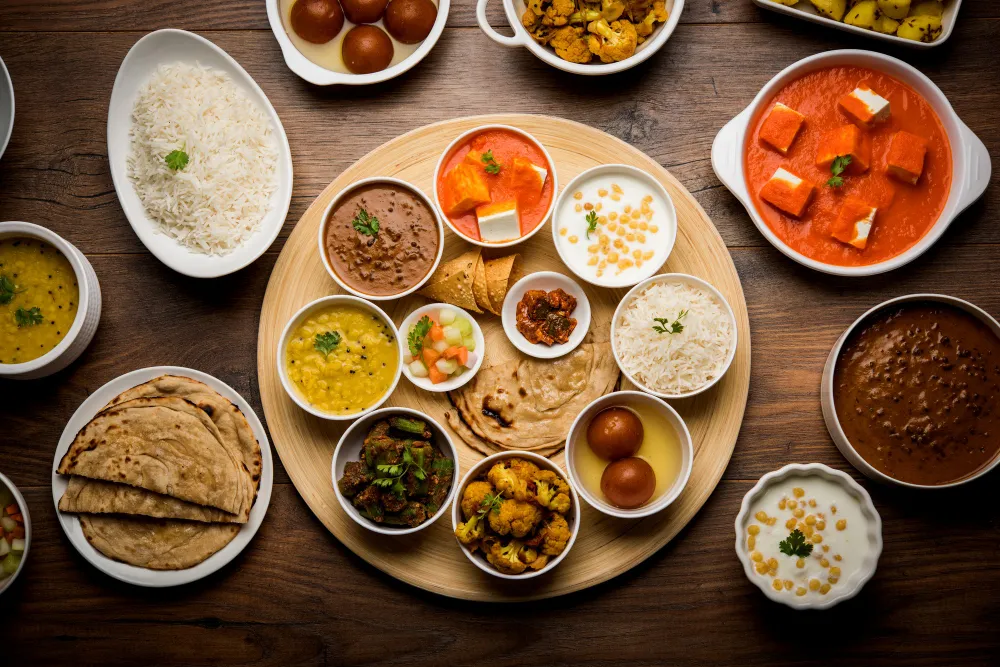
Lunch catering services have evolved significantly in recent years, especially as dietary restrictions and personal food preferences have become more common. Whether for corporate meetings, social gatherings, or large events, caterers are increasingly offering customized meal options to accommodate various dietary needs. From vegetarian and vegan choices to gluten-free and allergy-conscious meals, modern lunch catering services are ensuring that all guests can enjoy a satisfying meal without compromise.
This article explores how lunch catering services are adapting to these dietary changes, the benefits of boxed lunch catering, and what to look for when selecting a caterer that meets diverse dietary requirements.
The Growing Demand for Dietary-Inclusive Catering
As people become more aware of health and wellness, dietary restrictions and preferences have shifted from being an exception to a norm. Some of the most common dietary needs caterers must accommodate include:
- Vegetarian and Vegan Diets – Many people choose to avoid meat and animal products for health, ethical, or environmental reasons.
- Gluten-Free Diets – Individuals with celiac disease or gluten intolerance require meals without wheat, barley, or rye.
- Allergy-Friendly Meals – Nut, dairy, shellfish, and soy allergies are increasingly common and require special meal preparations.
- Low-Carb and Keto-Friendly Meals – Many corporate professionals and fitness-conscious individuals prefer meals that align with their dietary goals.
- Cultural and Religious Preferences – Certain cuisines, such as halal or kosher, need specific preparation methods.
Lunch catering services that provide diverse menu options ensure that all guests feel included and comfortable with their meal choices.
The Role of Boxed Lunch Catering in Dietary Accommodation
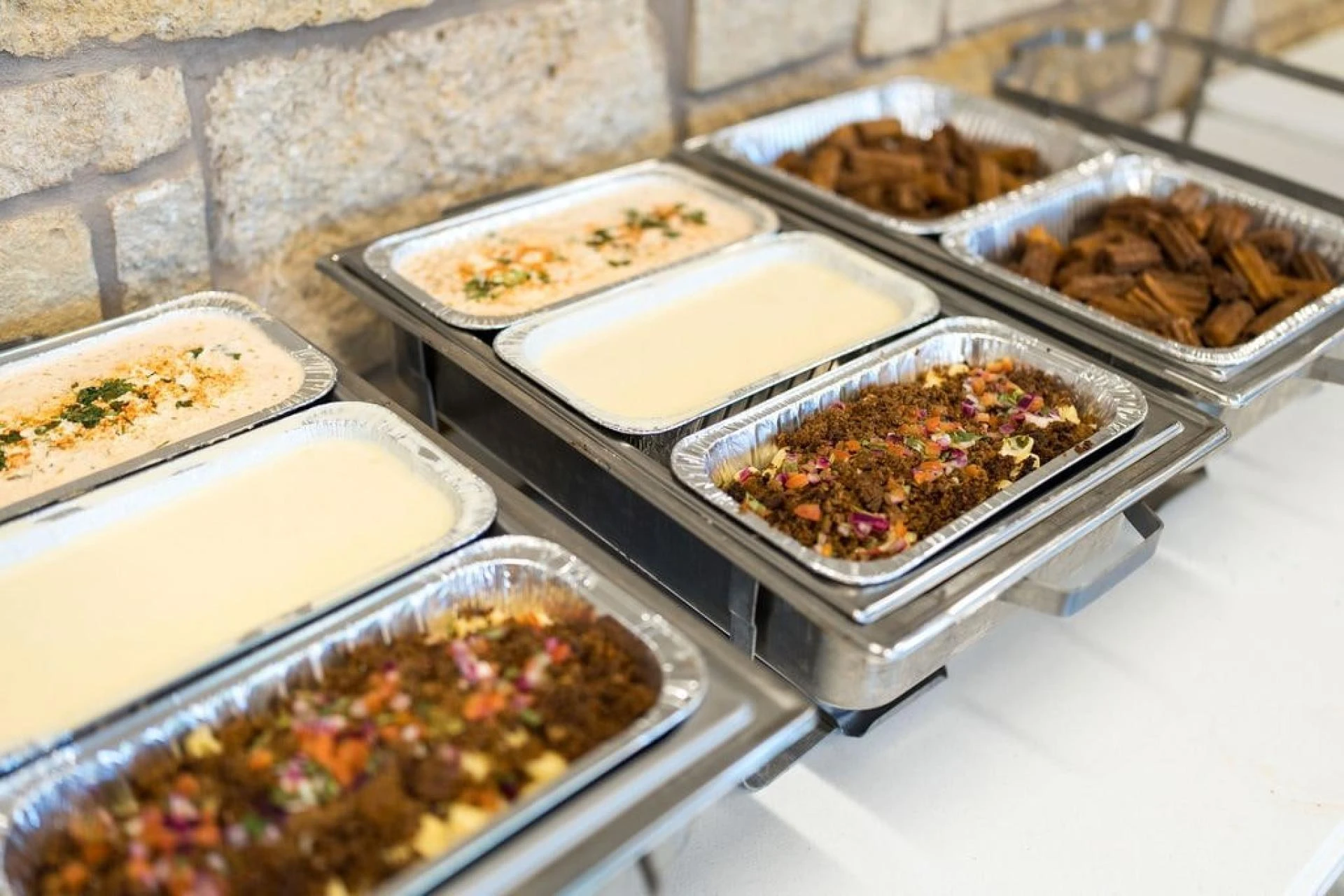
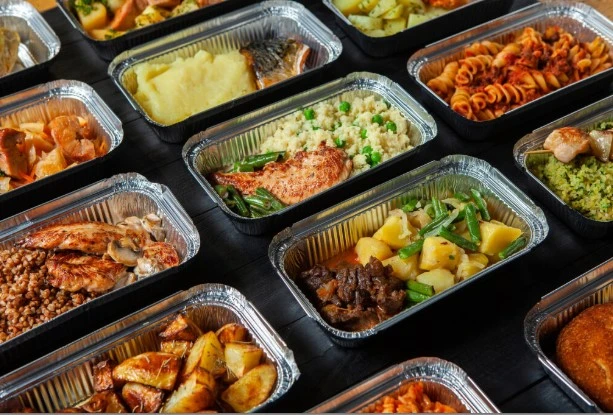
Boxed lunch catering has become a preferred solution for many organizations and event planners. Unlike buffet-style setups, which can pose cross-contamination risks for those with food allergies, individually packed lunches allow for precise customization and portion control.
Advantages of Boxed Lunch Catering
- Customization – Each guest can receive a meal tailored to their dietary needs, ensuring satisfaction and safety.
- Hygiene and Safety – Pre-packaged meals reduce the chances of contamination, making them ideal for corporate settings and events.
- Efficiency and Convenience – Boxed lunches streamline meal distribution, reducing long wait times and ensuring every attendee gets their preferred meal.
- Portion Control – Individual meal packaging ensures that guests receive well-balanced servings without excess food waste.
Many lunch catering services now offer an online ordering system where attendees can specify dietary preferences in advance, making the process even smoother.
How Caterers Are Innovating to Meet Dietary Needs
To keep up with changing dietary demands, lunch catering companies are incorporating new strategies to enhance their offerings.
Expanding Menu Options
Caterers are no longer limited to a few standard meal choices. Instead, they offer extensive menus with plant-based, gluten-free, and high-protein options. Many companies now feature customizable salads, grain bowls, and alternative protein sources to ensure variety and inclusivity.
Ingredient Transparency
Customers today expect full transparency regarding the ingredients used in their meals. Leading catering businesses provide detailed nutritional information, ingredient lists, and allergen warnings. This practice not only builds trust but also helps guests make informed choices based on their dietary restrictions.
Partnering with Local and Organic Suppliers
The demand for fresh, organic, and locally sourced ingredients is on the rise. Many catering services partner with local farms and organic food suppliers to provide healthier meal options. Using high-quality ingredients enhances flavor while aligning with sustainability goals.
Accommodating Special Requests
Many catering services offer flexible customization, allowing customers to make specific requests for their meals. Whether it's a dairy-free dressing, a nut-free snack, or a protein substitution, caterers are more willing than ever to modify their offerings.
Sustainable Packaging Solutions
As the demand for boxed lunch catering grows, sustainability has become a priority. Many catering companies are switching to eco-friendly packaging, using compostable or biodegradable containers. This reduces environmental impact while maintaining meal freshness.
Conclusion
Lunch catering services are no longer just about providing food—they are about inclusivity, health, and convenience. With the growing demand for dietary-specific meals, catering businesses are adapting by offering more customization, transparency, and innovative solutions. Boxed lunch catering, in particular, is proving to be an effective way to accommodate diverse dietary needs while maintaining efficiency and safety.


















Sign in to leave a comment.