Proven Systems Still Need to Evolve
For decades, mainframes have been the backbone of enterprise IT. Banks process financial transactions, insurance companies manage policies, manufacturers run mission-critical operations, and government agencies deliver essential public services using mainframe environments. Their reliability and performance have made them indispensable for some of the world's largest organizations.
However, the business landscape has changed significantly. Today's enterprises must deliver digital experiences, integrate cloud platforms, support AI initiatives, and respond quickly to changing customer expectations. While mainframes continue performing critical workloads exceptionally well, the surrounding technology ecosystem has evolved.
This is why organizations are investing in Mainframe Modernization. The objective is not to replace reliable systems but to ensure they continue supporting future business growth while integrating with modern technologies.
Why Enterprises Continue Investing in Mainframes
Despite rapid advances in cloud computing and distributed architectures, mainframes remain central to many enterprise operations.
They offer unmatched reliability for high-volume transaction processing and continue supporting business-critical applications that organizations depend on every day.
The challenge is not performance.
The challenge is integration.
Businesses now require seamless connectivity between mainframe environments, cloud services, APIs, AI platforms, and digital applications. Without modernization, these integrations become increasingly complex and expensive.
Organizations leveraging Legacy Modernization Services are creating strategies that preserve existing business value while enabling greater flexibility for future innovation.
Modernization Is More Than Infrastructure Upgrades
Successful modernization initiatives extend beyond upgrading hardware or migrating workloads.
Organizations evaluate application architecture, business processes, integration capabilities, and long-term technology strategies before defining a modernization roadmap.
Many enterprises combine modernization with Legacy to Cloud Migration initiatives, allowing selected workloads to benefit from cloud scalability while retaining core business processes on proven platforms where appropriate.
This balanced approach minimizes disruption while supporting continuous business transformation.
Artificial Intelligence Is Accelerating Modernization
Artificial intelligence is becoming an important part of enterprise modernization initiatives.
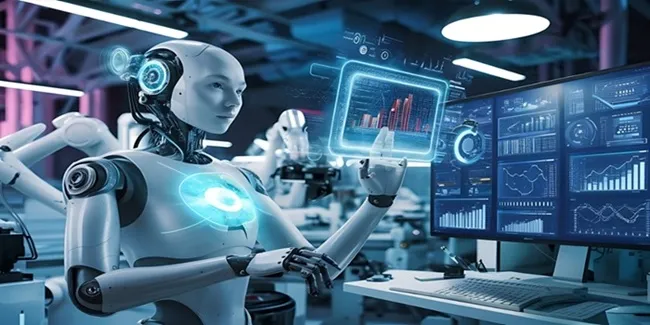
Organizations are using AI-Driven Modernization to analyze application dependencies, improve modernization planning, identify optimization opportunities, and reduce project complexity before implementation begins.
Rather than relying entirely on manual analysis, technology teams can make faster and more informed decisions supported by AI-generated insights.
This improves project planning while reducing implementation risks associated with large-scale enterprise modernization.
| Traditional Mainframe Environment | Modernized Enterprise Environment |
|---|---|
| Limited integration flexibility | Connected enterprise ecosystem |
| Manual modernization assessment | AI-assisted modernization planning |
| Higher maintenance complexity | Improved operational efficiency |
| Slower adoption of new technologies | Faster innovation enablement |
| Isolated enterprise systems | Integrated digital platforms |
Preparing for the Next Generation of Enterprise Technology
Modern enterprises require technology environments capable of adapting continuously.
Digital services evolve.
Customer expectations increase.
Business models change.
Technology strategies must evolve alongside these business priorities.
Organizations investing in modernization are creating platforms capable of supporting future technologies while preserving decades of business knowledge embedded within existing systems.
Rather than viewing modernization as a replacement initiative, forward-looking enterprises see it as a continuous improvement strategy that supports long-term competitiveness.
Conclusion
Mainframes continue delivering exceptional value to enterprise organizations around the world.
Modernization ensures that value continues well into the future.
By combining proven enterprise platforms with modern technologies, businesses improve flexibility, strengthen integration capabilities, and create technology environments that support innovation without sacrificing operational stability.
Organizations that modernize strategically today will be better prepared to compete in tomorrow's increasingly digital economy.


























Sign in to leave a comment.