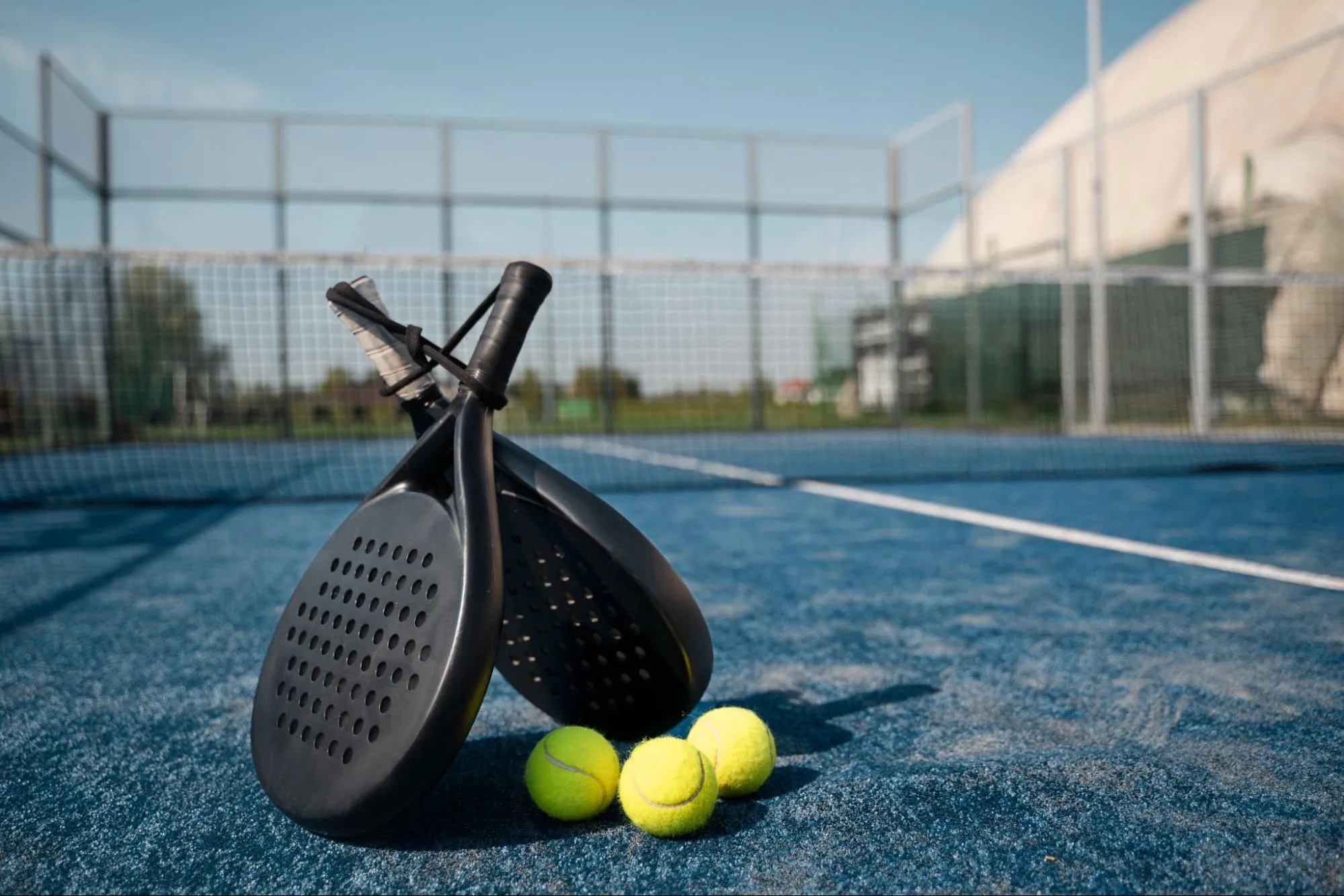

Padel has always been known for its accessibility and fast-paced nature, but as the sport matures, its competitive structure is becoming more refined. Match formats and scoring systems are no longer just rules on paper; they are actively shaping how, where, and why padel is played. From casual club matches to organised tournaments, these elements influence player behaviour, training habits, and venue selection.
As formats evolve to prioritise speed, fairness, and spectator appeal, players are becoming more conscious of the environments in which they compete. The relationship between how padel is played and where it is played is becoming increasingly interconnected.
The Evolution of Match Formats in Modern Padel
Early padel matches followed traditional tennis-style scoring, with extended games and advantage points. While this format rewarded endurance and patience, it often led to long match durations that were difficult to schedule, especially in busy club environments.
Modern padel has gradually embraced formats that are quicker and more decisive. Shorter sets, time-bound matches, and modified scoring systems have made the game more dynamic, allowing players to fit competitive play into tighter schedules without losing intensity.
The Golden Point and Its Impact on Game Flow
One of the most influential changes in padel scoring has been the introduction of the Golden Point. By removing extended advantage play at deuce, this rule creates a single, decisive moment that determines the game.
This shift places greater emphasis on focus, tactical decision-making, and execution under pressure. As a result, players increasingly value playing environments that allow them to practise these moments repeatedly under consistent conditions.
Why Faster Scoring Systems Demand Consistency
Faster scoring systems leave little room for recovery after mistakes. A single poor decision can decide a game, making consistency more important than raw power.
Because of this, players are paying closer attention to factors such as lighting, surface quality, and spatial awareness. Training and competing in predictable environments helps players build confidence and repeatability in high-pressure situations.
How Match Scheduling Influences Venue Choice
Shorter match formats have made padel more attractive to players with limited time, such as working professionals. However, this also means that venues need to accommodate multiple matches efficiently throughout the day.
Reliable scheduling becomes easier in controlled settings, where delays caused by weather or external factors are minimised. This practical consideration has a direct influence on where organised padel sessions are held.
Tournament Play and the Need for Standardised Conditions
As padel tournaments become more common, standardisation has become increasingly important. Competitive players expect uniform court dimensions, consistent surfaces, and reliable match conditions across different venues.
Scoring systems like the Golden Point amplify the importance of these factors. When matches can be decided by a single rally, even small inconsistencies in court conditions can feel magnified.
Training for Decisive Moments in Modern Padel
Modern scoring formats demand targeted training. Players now spend more time preparing for specific situations, such as serving or returning at deuce.
This type of preparation is more effective when players can practise repeatedly in environments that mirror match conditions. As a result, the location of training sessions is often chosen with competitive formats in mind.
Why Controlled Environments Are Gaining Preference
As match formats become sharper and more outcome-driven, many players gravitate towards venues that offer minimal external disruption. Wind, uneven surfaces, and inconsistent lighting can all affect decisive points.
This is where indoor padel Dubai has become increasingly relevant, offering players the ability to train and compete without unpredictable variables. Controlled environments support the precision and focus demanded by modern scoring systems.
Recreational Players Are Also Influenced by Match Structure
It’s not only competitive players who are affected by evolving formats. Recreational players also enjoy the clarity and pace of modern scoring systems, which make matches more engaging and easier to follow.
Shorter games encourage more participation and allow players to fit multiple matches into a single session. This has subtly changed preferences around where people choose to play socially.
Match Formats Are Shaping Coaching Approaches
Coaches now design training sessions around match-specific scenarios rather than general drills alone. Situational play, pressure points, and tactical decision-making are prioritised.
To support this approach, coaches favour venues that allow for uninterrupted sessions and consistent repetition. The scoring system directly influences how training time is structured and where it takes place.
The Psychological Side of Faster Match Play
Decisive scoring formats increase mental pressure. Players must remain composed, communicate clearly with partners, and execute under stress.
Practising in familiar, reliable environments helps players develop mental resilience. Knowing how a court behaves allows them to focus on strategy rather than external distractions.
How Social Leagues Are Adapting to New Formats
Social leagues and corporate competitions have also embraced faster formats to keep matches engaging and schedules manageable. These leagues often prioritise efficiency and fairness over extended play.
This has influenced venue selection, with organisers preferring courts that support smooth transitions between matches and consistent playing experiences.
Court Quality Matters More Than Ever
When matches are decided quickly, there is little tolerance for uneven surfaces or poor visibility. Players expect courts that allow fair competition from the first point to the last.
This expectation has brought greater attention to the quality of a padel court Dubai, especially for leagues and events that rely on modern scoring systems to keep games flowing.
The Future of Match Formats and Playing Spaces
Padel continues to evolve, and future formats may place even greater emphasis on speed and engagement. As this happens, the connection between scoring systems and playing environments will only strengthen.
Players, coaches, and organisers are likely to keep prio
























Sign in to leave a comment.