How Material Availability Affects Wire Decking Manufacturing Operations

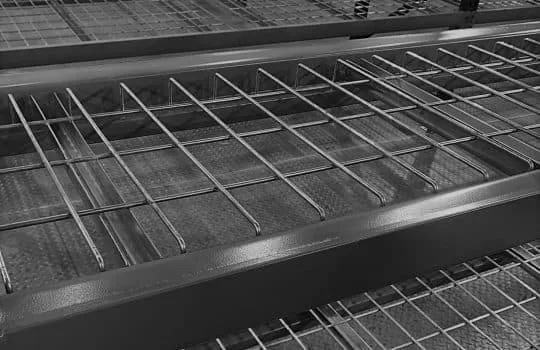
Manufacturing operations depend on a steady supply of suitable raw materials to maintain production schedules, product quality, and customer delivery commitments. Wire decking production requires materials that meet specific requirements for wire diameter, strength, surface condition, and finishing compatibility. When materials are unavailable or delayed, even well equipped facilities may experience interruptions that affect manufacturing output. wire decking manufacturing locations can therefore differ in production performance because of their access to suppliers, inventory management practices, transportation networks, and purchasing arrangements. Understanding these factors helps businesses evaluate manufacturing capabilities more effectively.
Material availability influences nearly every stage of the manufacturing process, from initial planning to final product inspection. Facilities need appropriate wire and supporting materials before they can begin production according to approved specifications. If an essential material is unavailable, manufacturers may need to adjust schedules, source alternatives, or postpone particular orders. These changes can affect production efficiency and delivery estimates. Businesses that understand how manufacturers manage material supply can make better purchasing decisions and establish more realistic expectations for project completion.
How Raw Material Supply Influences Production Capacity
Availability of Suitable Wire Materials
Wire decking manufacturers require materials that meet the specifications of the intended product. Wire diameter, material grade, strength characteristics, and surface condition can influence how the finished panel performs. If a particular wire specification is unavailable, a manufacturer may not be able to proceed with the planned production run. Substituting another material without confirming its suitability could affect product characteristics and compliance with project requirements. Reliable sourcing is therefore essential for maintaining consistency across manufacturing batches.
Different products may require different material specifications depending on their dimensions, construction, and intended application. Standard decking panels may use materials that are regularly stocked, while customized products can require less common sizes or grades. Manufacturers should identify these requirements during order planning and confirm availability before committing to production dates. Clear communication about specifications helps prevent avoidable sourcing problems and allows purchasing teams to understand whether a project requires additional preparation time.
Supplier Relationships and Purchasing Arrangements
Strong supplier relationships can help manufacturers maintain more predictable access to essential materials. Established suppliers may provide information about stock levels, lead times, material specifications, and potential supply changes. Regular communication makes it easier for manufacturing teams to plan purchases around expected production demand. However, relying on a limited number of suppliers can create challenges when disruptions affect a particular source. Maintaining suitable purchasing arrangements and evaluating alternative supply options can help reduce the risk of prolonged interruptions.
Purchasing strategies also influence how effectively materials are available when production begins. Manufacturers may use scheduled purchasing, advance ordering, or inventory agreements to support regular operations. These approaches can be particularly useful when demand fluctuates or when certain materials require longer procurement periods. Businesses evaluating suppliers should consider whether material sourcing is coordinated with production planning. Reliable procurement practices help manufacturers maintain continuity while reducing the possibility of unexpected order delays.
The Impact of Inventory Management on Manufacturing Operations
Inventory management helps manufacturers balance material availability with storage costs and operational requirements. Facilities that maintain suitable stock levels may be better prepared to handle routine orders without waiting for every material shipment. However, storing excessive quantities can occupy valuable space and increase handling requirements. Manufacturers must determine which materials are essential to regular production and establish inventory levels based on demand patterns, purchasing lead times, and available storage capacity.
Accurate inventory records are equally important. Production teams need reliable information about available quantities, material specifications, and incoming shipments. Poor inventory tracking can create situations where materials appear available in records but cannot be located or used when required. Organized stock management helps reduce these problems and supports more accurate production scheduling. Reviewing quality assurance practices for industrial wire can also help businesses understand why material identification and verification are important throughout manufacturing operations.
Transportation and Regional Supply Differences
Transportation networks influence how quickly raw materials reach manufacturing facilities. Locations with convenient access to major roads, rail connections, distribution centers, or established industrial suppliers may have different procurement advantages from facilities in more remote areas. Shipping schedules, freight availability, weather conditions, and transportation costs can all affect material delivery. Even when a supplier has sufficient inventory, delays during transit may interrupt manufacturing plans if replacement materials are not available locally.
Regional supply conditions can also create differences between manufacturing locations. Some areas may have easier access to particular wire products or industrial materials, while others may depend on shipments from distant suppliers. Businesses comparing manufacturing facilities should consider how each location manages incoming materials and whether transportation arrangements support dependable production. The geographic position of a facility can influence procurement planning, but its actual supply performance also depends on supplier relationships and inventory controls.
How Material Shortages Affect Production Scheduling
Material shortages can create scheduling challenges when manufacturers cannot complete planned production runs. Equipment and employees may remain available, but production cannot continue without the required materials. In some cases, manufacturers may move other orders forward while waiting for delayed supplies. This adjustment can affect previously established schedules and create additional coordination requirements for purchasing, production, and shipping teams.
Customized orders may be particularly sensitive to material shortages because they can require specific wire sizes, dimensions, or finishing arrangements. A shortage involving one essential specification may prevent the completion of an entire order. Manufacturers should identify material requirements early and communicate possible sourcing concerns before confirming delivery commitments. Businesses can support better planning by providing accurate specifications and realistic quantity estimates when requesting quotations.
Material Quality and Manufacturing Consistency
Availability should never be considered separately from material quality. Manufacturers need raw materials that meet the required specifications to produce wire decking with consistent construction and dependable characteristics. Using unsuitable alternatives simply because they are readily available may create variations in dimensions, fabrication quality, or finished product performance. Material inspection and verification help ensure that incoming supplies meet the requirements established for each production project.
Quality controls may include checking wire dimensions, reviewing material documentation, examining surface condition, and confirming relevant mechanical properties. These procedures help identify problems before materials enter the production process. Consistent material selection also supports repeatability when manufacturers produce multiple panels for the same warehouse project. Businesses can explore industrial wire manufacturing capabilities to understand how material preparation and processing contribute to different wire product applications.
Coordinating Material Availability With Production Demand
Effective production planning requires manufacturers to coordinate expected demand with material purchasing and inventory levels. Historical order information, customer forecasts, seasonal changes, and current commitments can help estimate future material requirements. When these factors are reviewed regularly, manufacturers may be able to place orders earlier and reduce the possibility of shortages. Coordination between purchasing and production departments is essential because material decisions must reflect actual manufacturing schedules.
Demand changes can still create unexpected pressure on available resources. A sudden increase in order quantities may require additional materials, while changes in specifications can make existing inventory unsuitable for a particular project. Manufacturers should have procedures for reviewing revised requirements and communicating the effect on production schedules. Businesses can improve coordination by discussing order volumes, technical details, and anticipated delivery needs as early as possible.
Evaluating Material Availability When Choosing a Manufacturer
Businesses comparing manufacturing locations should ask how raw materials are sourced, inspected, stored, and replenished. Useful considerations include supplier reliability, inventory management, alternative sourcing arrangements, and the ability to obtain specialized wire specifications. These details provide a better understanding of how a facility responds to routine demand and unexpected supply disruptions. A manufacturer with well organized procurement practices may be better positioned to maintain production continuity when material availability changes.
It is also important to consider how material sourcing supports the complete product specification. Wire decking may require particular dimensions, support channels, welding arrangements, and protective finishes. Manufacturers should confirm that available materials are suitable for the intended design rather than proposing substitutions without technical review. Businesses can also examine galvanized wire decking options when evaluating how material and finishing requirements influence product selection.
Conclusion
Material availability has a direct influence on wire decking manufacturing because it affects production capacity, scheduling, product consistency, and delivery commitments. Reliable supplier relationships, accurate inventory records, transportation planning, and material verification help manufacturers manage these challenges. Businesses evaluating manufacturing locations should look beyond equipment and facility size to understand how each operation secures and manages essential materials. Clear specifications and early communication can further support realistic production planning. For businesses exploring industrial wire products and decking solutions, J&L Wire Cloth provides relevant product information to support informed manufacturing and purchasing decisions.








Sign in to leave a comment.