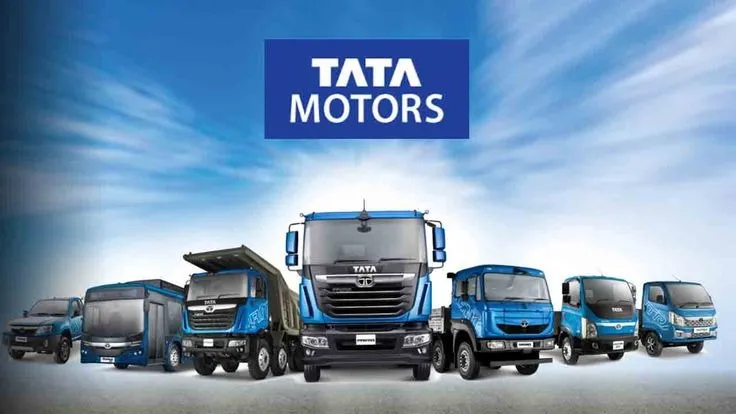

Bangladesh’s transport system is evolving rapidly as the trade grows, roads improve, and delivery needs become increasingly complicated. Businesses now look for vehicles that are flexible as well as reliable for different routes and loads. Medium trucks play a key role by filling the gap between light vehicles and heavy trucks.
Evaluating the role of medium commercial vehicles
Medium commercial vehicles generally have a payload capacity of 3 to 10 ton of capacity, making them ideal for easy manoeuvrability and robust power. Transport requirements vary depending on the size of your business. Light vehicles work best for small loads and city deliveries, while heavy trucks are better for long-distance hauling. Medium trucks offer a middle ground, carrying enough cargo and staying flexible in different situations.
Balancing payload and efficiency
A primary benefit of medium trucks is that they can carry moderate to large-size loads without being as hard as it is needed to handle for heavy trucks. They usually fall between 3.5 and 9 gross vehicle weight (GVW). This helps businesses reduce trips and save on fuel and maintenance costs. This makes it ideal for last-mile deliveries, urban logistics, and short-distance intercity transportation.
Adapting to diverse road conditions
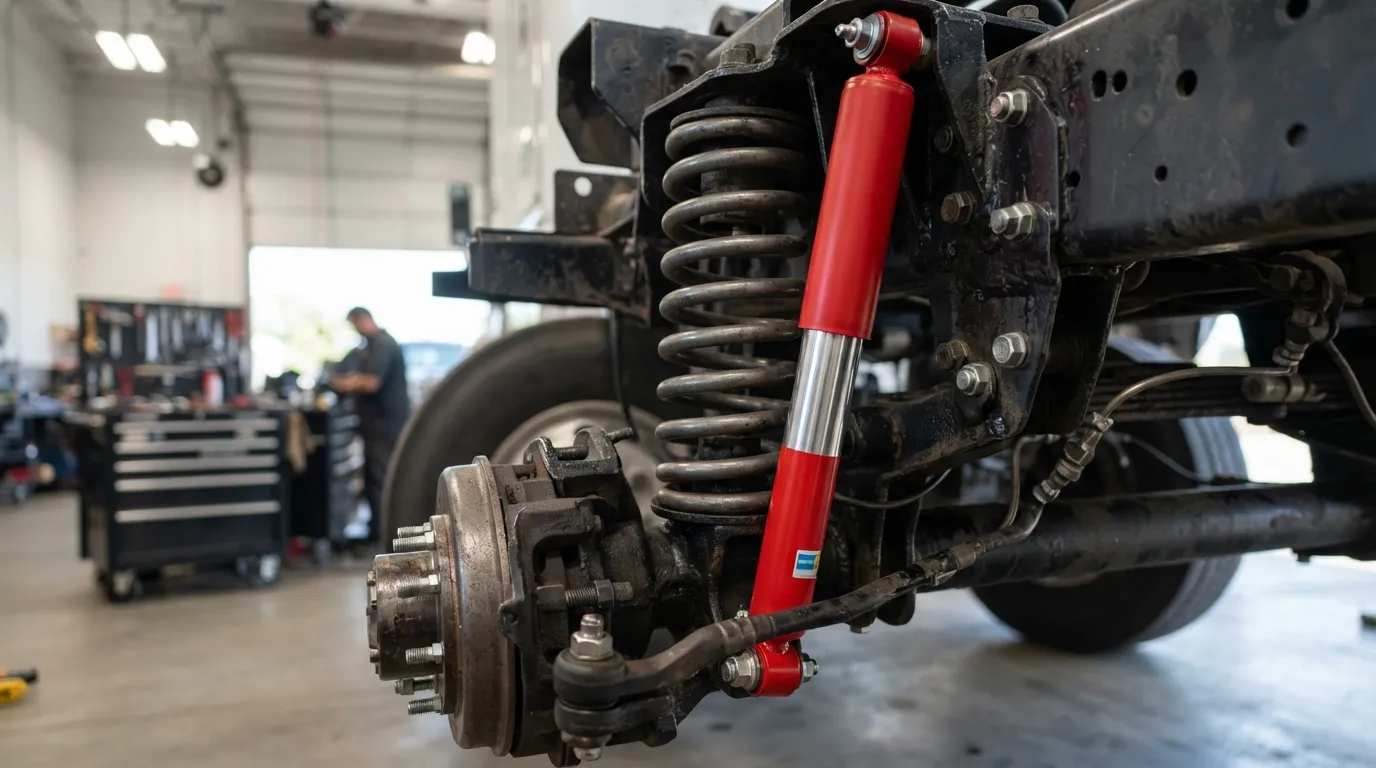
Bangladesh’s roads are diverse, which ranges from city streets in Dhaka, to highways, and rural paths in Upazila. Vehicles must handle all these while staying steady and reliable. Medium trucks are built with robust suspension and durable components, so they perform well on various roads without compromising safety or comfort.
Supporting a vast range of industries
Medium trucks are used for a wide range of industries like retail, construction, farming, and manufacturing. Their flexibility lets businesses move goods between cities, warehouses, storage spaces, and work sites. The Tata LPT 1613 is a modern example designed to meet different needs and work dependably.
Its powerful performance, versatility, and reliability enable you to meet the requirements of various industries, and its safe, stable transportation ensures the loads reach the destination intact.
Enhancing driver comfort and operational productivity
Driver efficiency is important for seamless transportation. Medium trucks often have semi-elliptical suspension that keeps the ride steady and safe, even on rough roads. They also offer comfortable cabins, good visibility, and easy controls to help drivers stay less fatigued during long hours. More comfort means better productivity and safer work, which is important for businesses that depend on daily transport.
Improving cost efficiency and fleet utilisation
Fleet owners value efficient operations. Medium-sized vehicles have a 697 engine with improved torque, helping save fuel and maintenance by carrying the right amount of cargo. Using the fleet well helps businesses keep steady delivery times and control costs, which is important in a competitive market.
Conclusion
In Bangladesh’s evolving commercial transport landscape, mid-capacity vehicles are an important link between light and heavy transport. By balancing size, efficiency, and flexibility, they help businesses move goods reliably and adapt to changing needs. This balanced approach supports steady growth across the country’s expanding trade and logistics network.
























Sign in to leave a comment.