

Owning an older vehicle can be convenient, but there comes a point when every car owner has to decide whether repairing the vehicle is still worthwhile. A major mechanical problem does not automatically mean the car needs to be replaced. In many cases, a suitable repair or replacement component can keep an older vehicle running for considerably longer.
The better decision depends on the vehicle's overall condition, repair requirements, expected future costs and how well it still meets your needs.
Start With the Vehicle's Overall Condition
Before deciding what to do, look beyond the current problem. A vehicle may need a new component but otherwise remain in reasonable condition.
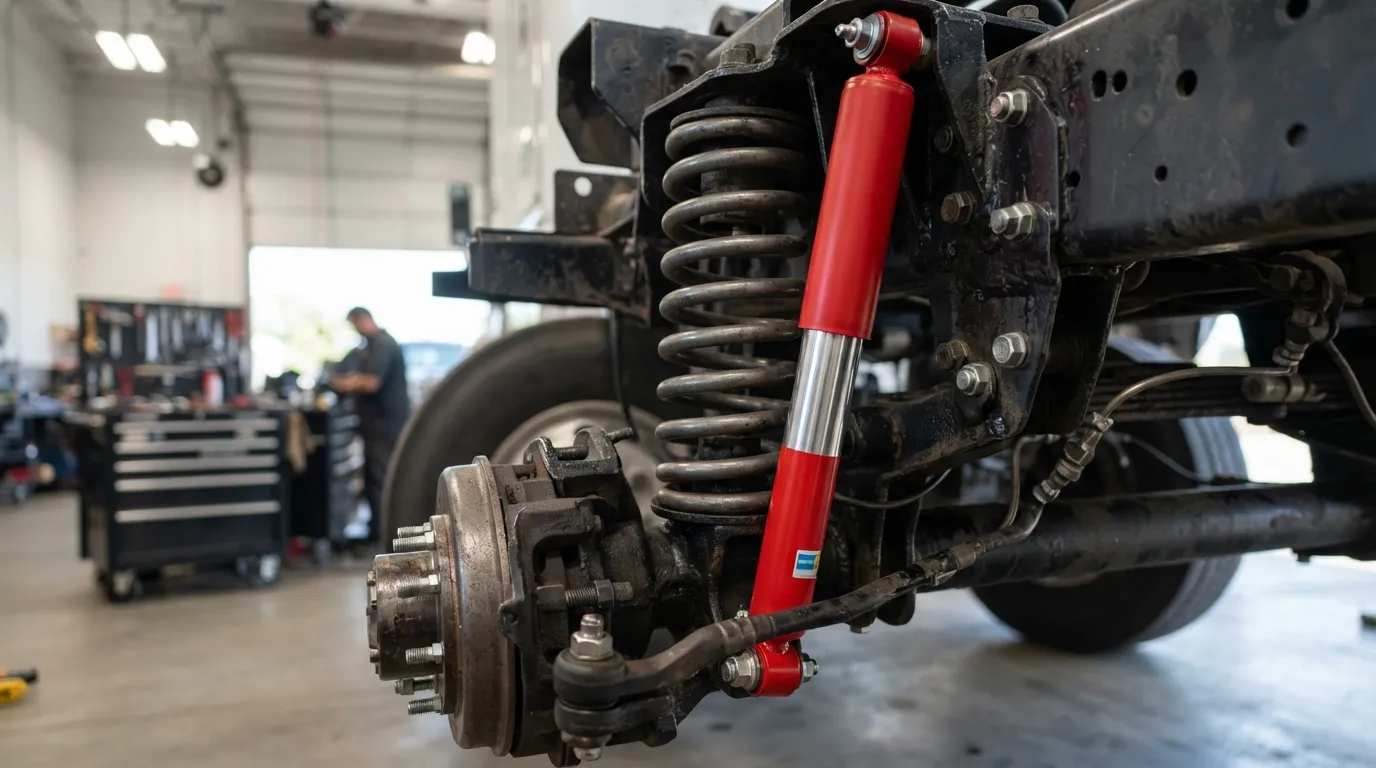
Consider the engine, transmission, suspension, brakes, electrical system, tyres and body. If most major systems are working properly and the vehicle has been maintained, repairing one failing component may make more sense than replacing the entire car.
On the other hand, several major problems appearing at the same time may indicate that continuing to spend money on the vehicle needs more careful consideration.
Understand the Repair You Actually Need
Do not make a decision based only on a warning light or a mechanic's first observation. Find out what has failed, what needs to be replaced and whether other related components require attention.
Ask questions such as:
- What exactly has failed?
- Is the repair urgent?
- Does the vehicle need a new component or a complete assembly?
- Are there other known issues?
- What could reasonably need attention next?
Having this information gives you a clearer basis for comparing repair costs with the alternative of replacing the vehicle.
Consider the Cost of Replacement Parts
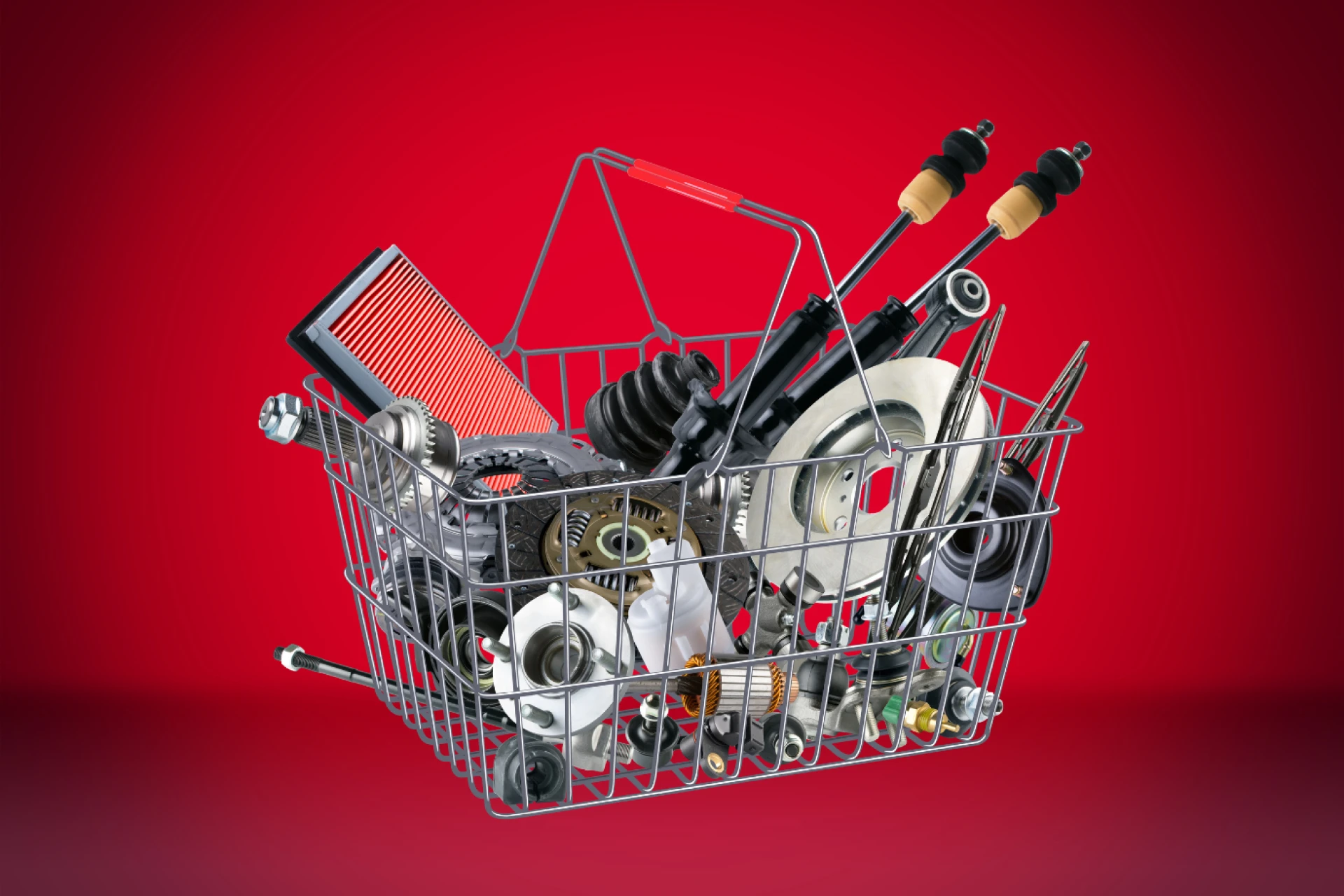
The cost of a replacement component can have a major influence on whether an older vehicle remains economical to repair. Depending on the vehicle and the component required, you may have the choice between a new part, a quality used component or a recycled part.
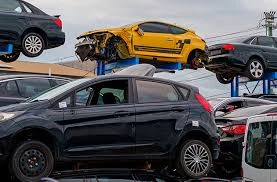
For some older vehicles, used auto parts Brisbane suppliers can provide another option worth investigating.
Recycled components can sometimes be suitable for repairs where a compatible part is available, particularly when the cost of a brand-new component is high.
Always confirm compatibility before purchasing a used part. The make, model, year, engine specification and part number can all be relevant.
Compare the Repair Cost With the Vehicle's Condition
A repair should not be judged in isolation. Consider how much the vehicle is worth, how much you have already spent on it and what other repairs may be approaching.
For example, spending money on one necessary repair does not necessarily make sense if the vehicle also has serious engine, transmission, structural or electrical problems.
However, an older car with a sound engine, reasonable body condition and a well-maintained history may still provide good value after a relatively straightforward repair.
There is no single age or mileage at which every vehicle should be replaced. Condition matters more than the number on the odometer alone.
Think About Reliability and Your Driving Needs
Your decision should also depend on how you use the vehicle. If the car is essential for daily commuting, frequent long-distance travel or family transport, reliability may carry more weight. If it is a second vehicle used occasionally, repairing it may remain practical even when it is not worth replacing with a newer model.
Consider whether the vehicle still provides the space, fuel economy, safety features and reliability you need.
Check Whether Parts Are Still Available
Parts availability can become an issue as vehicles get older or less common. A repair may be straightforward if replacement components are readily available, while sourcing a discontinued or uncommon part can take more time.
Before deciding to replace the whole vehicle, ask whether a suitable replacement component can be sourced through automotive recyclers or specialist suppliers.
We provides recycled automotive parts for a range of vehicles, giving Brisbane motorists another option when searching for replacement parts.
When Replacement May Make More Sense
Replacing an old vehicle may be worth considering when major problems are becoming frequent and repair costs continue to increase.
Some situations that deserve careful consideration include:
- Multiple major systems require repairs
- The vehicle has significant structural damage
- Repair costs are approaching the vehicle's practical value
- Reliable replacement parts are difficult to source
- The vehicle no longer meets your daily requirements
- Ongoing problems are making the vehicle unreliable
Even then, getting an accurate assessment before making a decision is worthwhile.
When Repairing May Be the Better Option
Repairing can make sense when the vehicle is otherwise dependable and the required work is relatively limited.
An older vehicle with a known maintenance history can also have an advantage over buying another used car with an unknown history. If you already understand the vehicle's condition and the repair is reasonable, keeping it may be the simpler and more predictable option.
Make the Decision Based on the Whole Picture
There is no universal answer to whether an old vehicle should be repaired or replaced. Look at the immediate repair, the vehicle's overall condition, future maintenance needs and your personal driving requirements.
If a suitable component can solve the problem without creating a pattern of ongoing expensive repairs, keeping the vehicle may be sensible. If major problems are accumulating, replacement may provide better long-term value.
Before making the final decision, get the problem properly assessed and compare your available repair options. If you need a compatible recycled component, can help you explore available used automotive industry in Brisbane.
A thoughtful comparison can help you avoid spending unnecessarily while also preventing you from replacing a vehicle that could have provided many more years of useful service.

























Sign in to leave a comment.