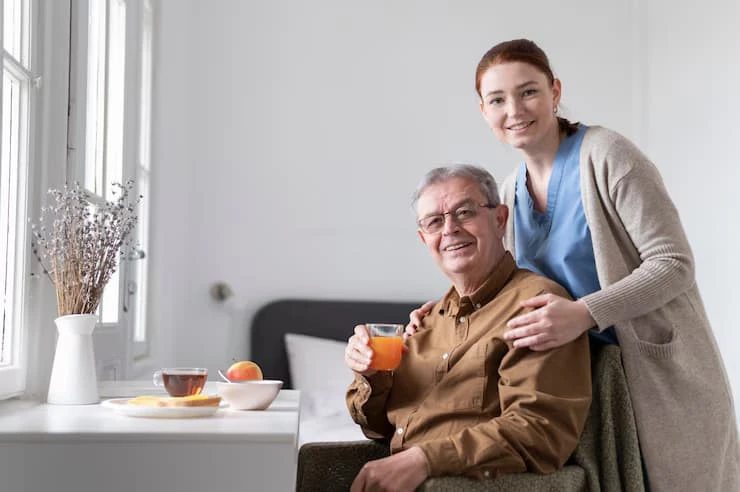

As the population ages, the demand for specialized care for seniors with memory-related conditions such as Alzheimer’s disease and dementia is increasingly important. One of the most innovative approaches to this challenge is memory care at home. This method allows seniors to receive the support they need while remaining in the comfort of their familiar surroundings. The concept of home-based memory care is not merely a trend; it reflects a profound understanding of how the environment influences well-being and cognitive function.
The Importance of Familiar Spaces
For many seniors, their home is more than just a physical space; it is a repository of memories, emotions, and connections to family and friends. Familiar spaces can evoke nostalgia and comfort, which are crucial for individuals grappling with memory loss. Studies have shown that staying in a familiar environment can significantly reduce anxiety and confusion often experienced by those with cognitive impairments. By utilizing memory care at home, caregivers can create a supportive atmosphere that promotes emotional stability and cognitive engagement.
Furthermore, familiar spaces enable seniors to maintain their routines, which can be incredibly beneficial for their mental health. Consistency and predictability in daily activities can lead to a greater sense of security. For instance, a senior might have a morning routine that includes reading the newspaper in a favorite chair or taking a short walk in the garden. These activities, rooted in the comfort of home, can help create a sense of normalcy amid the challenges posed by memory loss.
Personalized Care Tailored to Individual Needs
One of the most significant advantages of memory care at home is the ability to tailor care to meet the unique needs of each individual. In traditional memory care facilities, caregivers often follow a generalized schedule that may not align with the specific preferences or habits of the residents. However, in a home environment, caregivers can design personalized care plans that consider the senior’s history, interests, and daily routines.
For instance, if a senior has a passion for gardening, caregivers can incorporate gardening activities into their daily schedule. This not only provides a sense of purpose but also stimulates cognitive function through engaging activities. The personal touch of individualized care can foster stronger relationships between caregivers and seniors, leading to improved emotional well-being. When caregivers understand the preferences and history of the seniors they care for, they create a bond that can enhance the overall care experience.
The Role of Family in Home-Based Memory Care
Family involvement is a critical component of successful memory care at home. When seniors receive care in their own homes, family members can participate actively in the caregiving process. This collaboration can provide emotional support and reassurance for both the seniors and their caregivers. Family members can help maintain routines, share memories, and engage in activities that promote cognitive function.
Moreover, having family nearby can alleviate feelings of isolation that many seniors experience. Regular visits from loved ones can brighten their day and provide a sense of connectedness. In contrast, in a facility setting, family visits may be limited or dictated by visiting hours, which can contribute to feelings of loneliness. The home environment allows for spontaneous visits and interactions, fostering a stronger support network for seniors.
Engaging Activities for Cognitive Stimulation
Cognitive engagement is vital for seniors experiencing memory loss, and memory care at home offers numerous opportunities for stimulating activities. Caregivers can facilitate a variety of activities tailored to the interests and cognitive abilities of the individual. For example, puzzles, memory games, and arts and crafts can be excellent ways to stimulate cognitive function, promote creativity, and encourage social interaction.
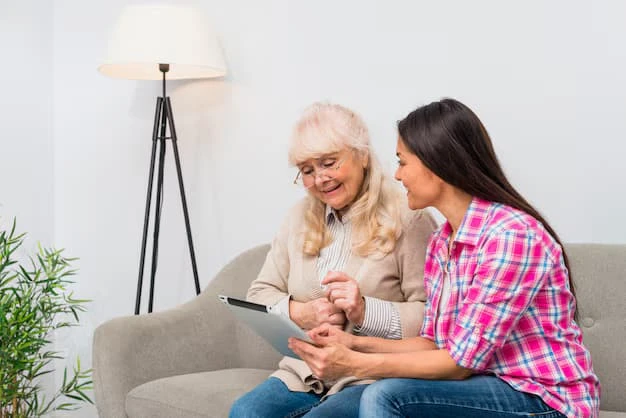
Additionally, caregivers can incorporate technology into memory care. Simple tools like tablets can be used to access memory-enhancing games or video calls with family members. This not only provides cognitive stimulation but also helps maintain social connections, which are essential for emotional well-being. The ability to engage in meaningful activities within the comfort of home can significantly enhance a senior’s quality of life.
Safety and Security in a Familiar Environment
Safety is often a primary concern for families considering care options for seniors with memory issues. Memory care at home offers a sense of security that might not be present in a facility setting. Families can implement safety measures tailored to their loved one’s specific needs while ensuring they remain in a familiar environment.
For instance, caregivers can install safety features such as grab bars in the bathroom, remove tripping hazards, and utilize monitoring devices to ensure the senior’s safety without compromising their independence. The familiarity of home helps seniors feel more secure, which can reduce anxiety levels and encourage a more positive mindset.
Addressing Challenges with Home-Based Memory Care
While memory care at home offers numerous benefits, it is not without its challenges. Caregivers may face difficulties such as managing the senior’s changing needs or coping with the emotional toll of caregiving. Additionally, families may struggle with balancing their own responsibilities while providing care. However, these challenges can be mitigated through proper planning and support.
Support groups for caregivers can provide valuable resources and emotional backing for those involved in home-based memory care. Furthermore, families can seek assistance from professional caregivers who specialize in memory care. This combination of family involvement and professional expertise can create a robust support system that addresses the unique challenges associated with memory care at home.
Conclusion
In conclusion, memory care at home proves to be a transformative approach that allows seniors to thrive in familiar spaces while receiving the care they need. The combination of personalized care, family involvement, and opportunities for cognitive engagement creates an environment that nurtures both physical and emotional well-being. As families navigate the complexities of memory-related conditions, the choice of home-based care can significantly enhance the quality of life for seniors.
For those considering memory care at home, exploring available resources is essential. Full Bloom Memory Care understands the importance of individualized support and is dedicated to helping families create a nurturing environment for their loved ones. Embrace the opportunity for your loved one to thrive at home—contact Full Bloom Memory Care today and discover how we can make a difference in your family’s journey.


























Sign in to leave a comment.