
Introduction
Notting Hill is often spoken about as a single prime London location, but in reality, it is made up of a collection of micro locations, each with its own identity, pricing patterns, and buyer appeal. While the broader area benefits from strong demand and international recognition, property values can vary significantly depending on the exact street, positioning, and surrounding environment.
For buyers and sellers alike, understanding how these micro differences influence demand is essential. Two properties located just a few streets apart can attract very different levels of interest, not because of size or condition alone, but because of the specific characteristics of their location.
The Importance of Street Level Positioning
In Notting Hill, property value is often determined at street level rather than postcode level. Factors such as traffic flow, street width, noise levels, and visual appeal all contribute to how desirable a particular location is perceived to be.
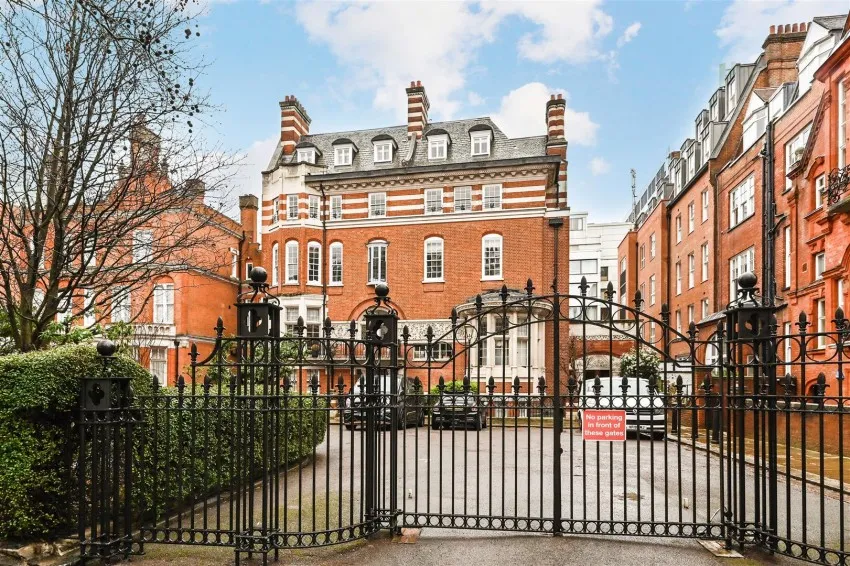
Tree lined streets with well maintained facades and a sense of privacy tend to command higher prices. These locations often offer a quieter living environment while still being close to key amenities. In contrast, busier streets with higher levels of foot traffic or vehicle movement may appeal to a different type of buyer but can sometimes be priced more competitively.
This variation highlights why location analysis in Notting Hill requires more than a general understanding of the area. Buyers who take the time to explore individual streets often gain a clearer perspective on value.
Proximity to Amenities and Its Impact
Access to amenities plays a significant role in shaping demand across different parts of Notting Hill. Areas close to popular destinations such as Westbourne Grove or Portobello Road benefit from convenience and lifestyle appeal, attracting buyers who value being close to shops, cafés, and social spaces.
However, this convenience can also come with trade offs. Increased activity, particularly during weekends and peak times, can affect noise levels and privacy. As a result, some buyers prefer to be slightly removed from these busy areas while still remaining within walking distance.
This balance between accessibility and tranquillity is a key factor influencing property values. Streets that offer both convenience and a quieter environment often attract the strongest demand.
Transport Connectivity Within Micro Locations
While Notting Hill as a whole is well connected, proximity to transport links can vary within the area and has a direct impact on property demand. Homes located closer to Underground stations such as Notting Hill Gate typically attract higher interest due to ease of commuting.
At the same time, some buyers are willing to accept a slightly longer walk to transport in exchange for a quieter setting. This creates subtle differences in pricing between streets that may otherwise appear similar.
Insights from Notting Hill estate agents suggest that transport accessibility continues to influence buyer decisions, even among those who work remotely. The ability to travel easily when needed remains an important consideration.
Architectural Character and Street Identity
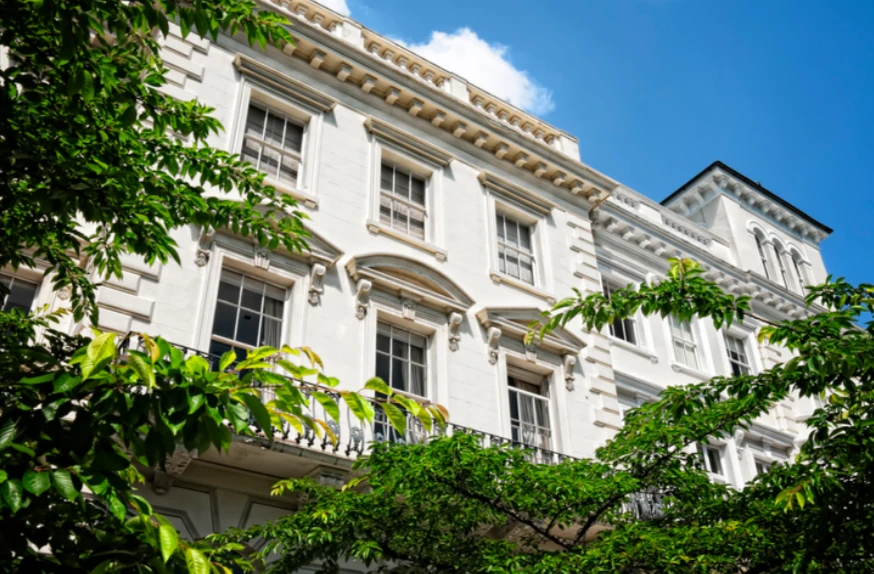
Notting Hill is known for its period architecture, but even within this category, there is significant variation. Some streets are characterised by grand terraces with uniform facades, while others feature a mix of styles and property types.
Streets with consistent architectural design and well preserved buildings often create a stronger visual impact, contributing to their desirability. Buyers are often drawn to locations that offer a cohesive aesthetic, as this can enhance both living experience and long term value.
In contrast, areas with less uniformity may still offer attractive properties but can appeal to a different segment of the market. Understanding these distinctions helps explain why certain streets consistently achieve higher prices.
The Role of Green Spaces and Surroundings
Access to green spaces is another factor that influences micro location desirability. Streets located near parks or garden squares often benefit from a more relaxed atmosphere and improved quality of life.
In Notting Hill, proximity to green areas can enhance both the appeal and value of a property. Buyers increasingly consider access to outdoor environments as part of their decision making, particularly in urban settings where space is limited.
Even small differences in proximity to green spaces can affect demand, especially among families or those prioritising wellbeing and outdoor activities.
Buyer Profiles and Micro Location Preferences
Different types of buyers are drawn to different parts of Notting Hill, and this diversity contributes to variations in demand across micro locations. Professionals may prefer areas with easy access to transport and social amenities, while families often prioritise quieter streets and proximity to schools.
International buyers may focus more on well known streets or prestigious addresses, while local buyers may have a deeper understanding of less prominent areas that offer good value.
These varying preferences mean that demand is not evenly distributed across Notting Hill. Instead, it is shaped by how well each micro location aligns with the needs of specific buyer groups.
Pricing Variations and Perceived Value
One of the most important outcomes of these micro location differences is variation in pricing. Properties that share similar features in terms of size and condition can have noticeably different values depending on their exact location.
Buyers often assess value based on a combination of factors, including environment, accessibility, and overall feel of the street. This means that pricing is influenced not only by tangible features but also by perception and experience.
Understanding these nuances can help buyers identify opportunities where properties may offer better value relative to their location. It can also assist sellers in positioning their property more effectively within the market.
Long Term Value Considerations
Micro locations also play a role in long term value stability. Streets that consistently attract strong demand are more likely to retain their appeal over time, even during periods of market fluctuation.
Factors such as architectural quality, accessibility, and community atmosphere contribute to this resilience. Buyers who take these elements into account are often better positioned to make decisions that align with long term investment goals.
For sellers, understanding the strengths of their specific location can help highlight features that differentiate their property from others in the area.
Conclusion
Notting Hill’s reputation as a prime London location is built on a combination of factors, but it is the subtle differences between its streets that truly shape property demand and value. Micro locations influence everything from pricing and buyer interest to long term growth potential, something often highlighted through insights shared by experienced Notting Hill estate agents.
By looking beyond the general perception of the area and focusing on the details of individual streets, buyers and sellers can gain a more accurate understanding of the market. In a location as nuanced as Notting Hill, these insights can make a meaningful difference in both decision making and outcomes.


























Sign in to leave a comment.