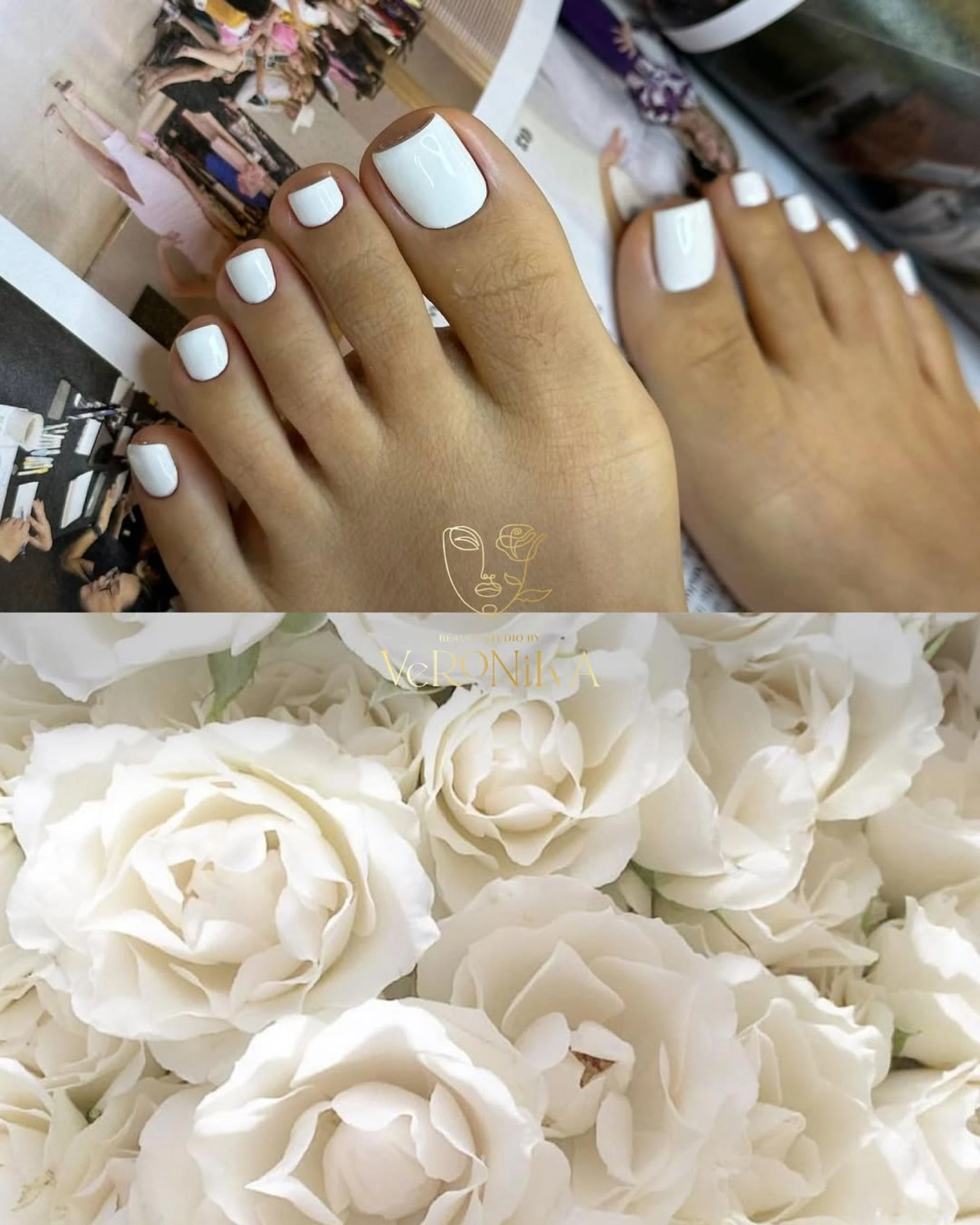

People often think foot skin becomes rough only because of dryness or lack of care. In reality, long-term changes usually build through repetition. During a thoughtful russian pedicure in Costa Mesa, CA, experienced specialists at Beauty Studio by Veronika pay close attention to micro-trauma: the small, repeated stress the skin absorbs from pressure, friction, shoes, walking patterns, and overaggressive treatment. These tiny disruptions may not seem serious in the moment, but over time they can change how the skin protects itself.
Micro-trauma does not always look dramatic. It may begin as a slightly thickened area, tenderness along one side of the heel, recurring roughness under the toes, or skin that keeps building back faster than expected. Many clients try to solve this by removing more and more. A strong professional team understands why that often makes the cycle worse. When skin is repeatedly overworked, it may respond by becoming more reactive, more uneven, or more defensive. The body is not creating those layers by accident. It is responding to stress.
This is where studio-level expertise matters. At Beauty Studio by Veronika, skilled masters do not treat every rough area as something that should be thinned as much as possible. They assess where pressure is concentrated, how the client walks, what kind of shoes are being worn, how sensitive the skin is, and whether the area is protecting the foot from constant friction. That kind of diagnostic thinking changes the service completely. It helps the team decide where to smooth, where to preserve support, and where restraint will protect long-term comfort better than a dramatic same-day result.
Another important point is that micro-trauma can come from care itself when the service is too aggressive. If hardened skin is taken down too far, the surface may feel temporarily smoother, but the foot can become more vulnerable afterward. The client may notice tenderness in shoes, faster buildup, or a feeling that the area never quite settles. Experienced masters know that healthy foot skin is not skin stripped to thinness. It is skin kept balanced enough to stay comfortable through ordinary life.
This is also why professional guidance matters between appointments. Clients often focus on visible texture and assume smoother always means healthier. A trained team knows that long-term foot health depends on reducing repeated stress, not only on polishing the surface. Sometimes the smartest recommendation is better shoe rotation, gentler home care, less friction from daily habits, or simply avoiding the urge to file the same spot too often. These small corrections help the skin stop reacting as if it has to defend itself all the time. That is how healthier skin is built.
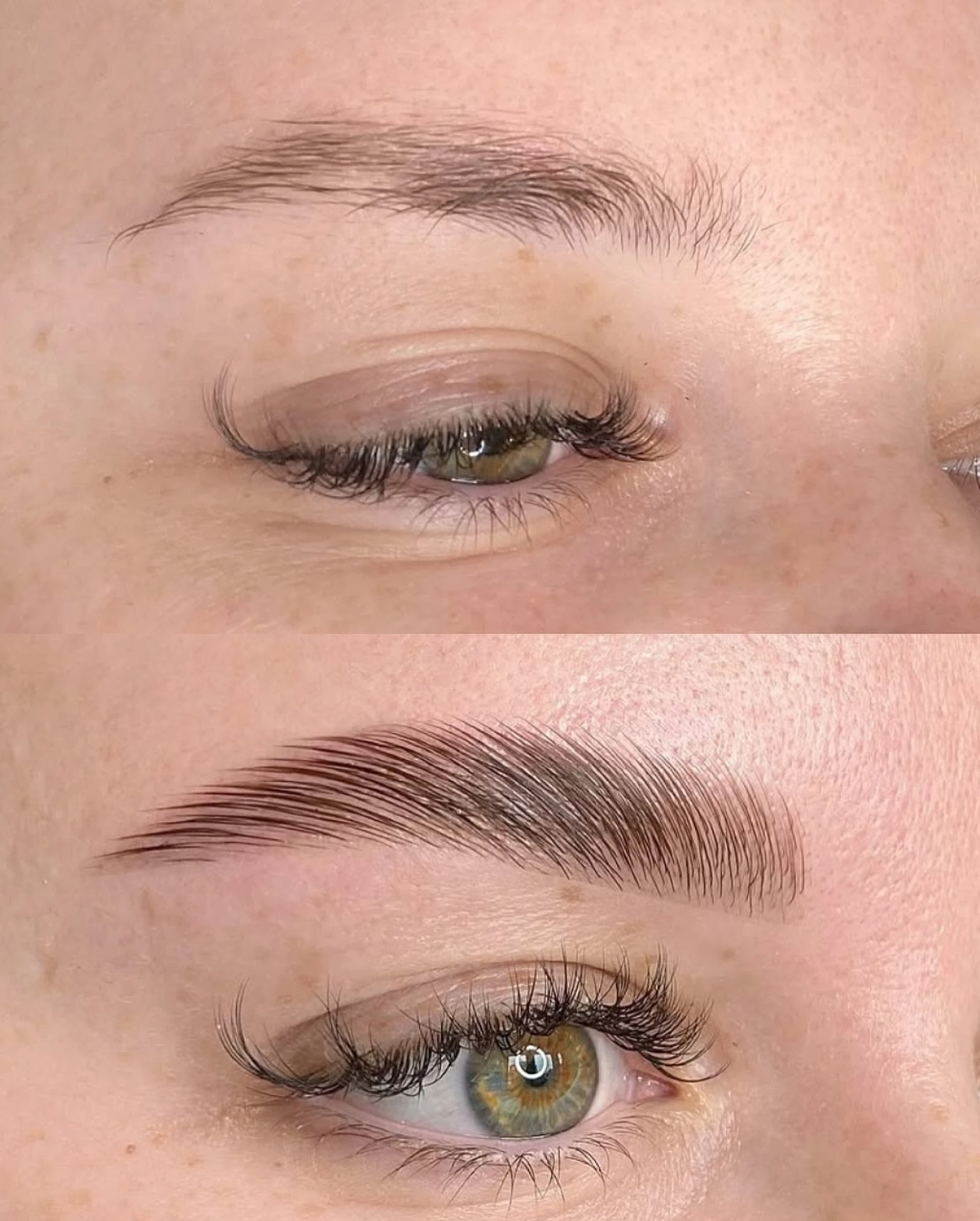
That same respect for structure is one reason detail-focused clients also trust brow lamination in a strong studio environment. In both services, real professionalism means understanding when a visible improvement should stop before it turns into hidden damage.
Micro-trauma affects long-term foot skin health because the feet remember repeated stress even when the client barely notices it day to day. The role of a professional team is not to chase instant smoothness. It is to read those signs correctly, interrupt the cycle of irritation, and care for the feet in a way that makes the skin calmer, more stable, and easier to maintain over time.




















Sign in to leave a comment.