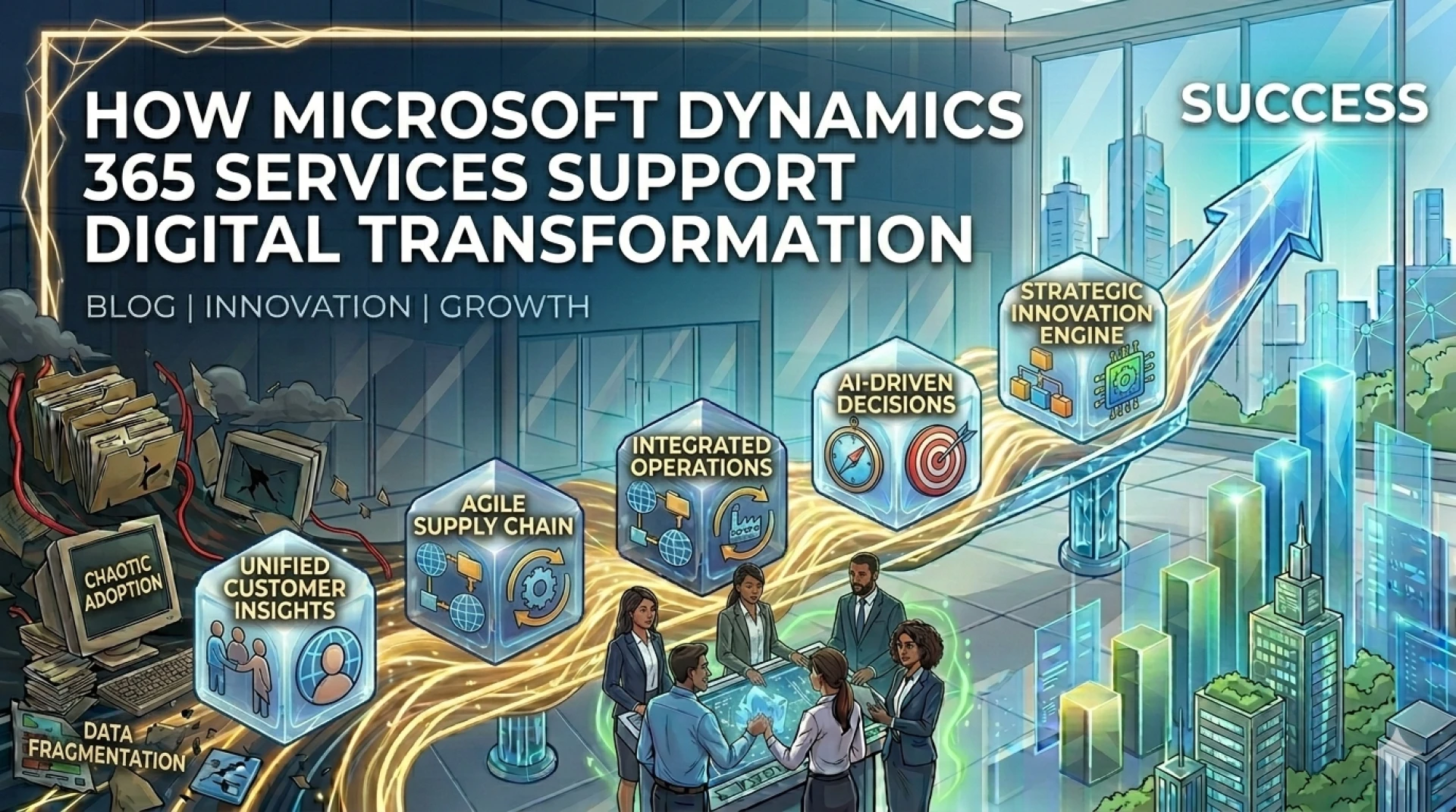

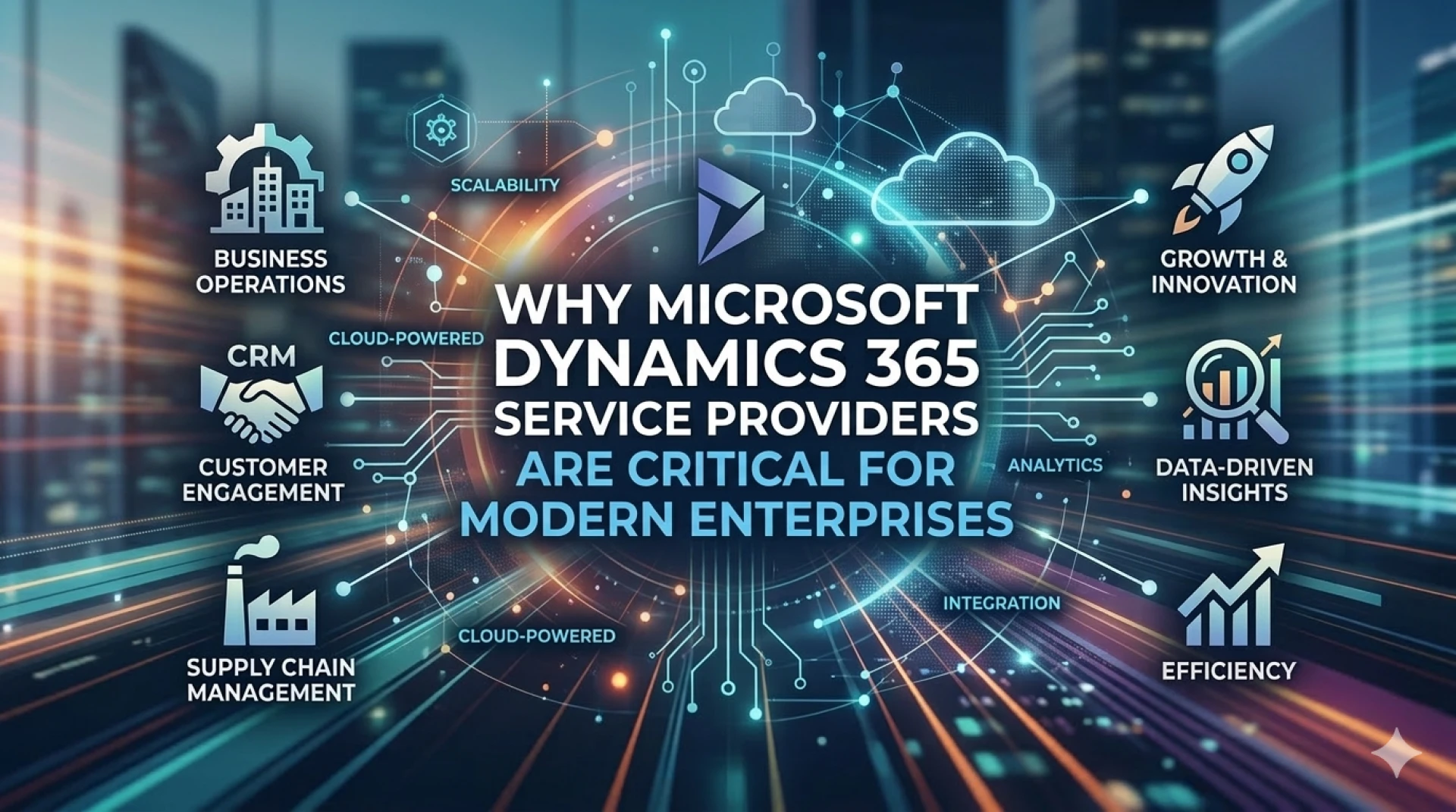
Digital transformation has become a strategic priority for organizations aiming to stay competitive in a rapidly evolving market. Companies are modernizing legacy systems, automating workflows, and leveraging data-driven insights to improve efficiency and customer experience. This is where Microsoft Dynamics 365 plays a major role.
By combining ERP, CRM, analytics, and AI capabilities into a unified cloud platform, Microsoft Dynamics 365 Services helps organizations modernize operations, improve collaboration, and accelerate innovation across departments.
1. Unifying Business Operations Across Departments
One of the core goals of digital transformation is to eliminate disconnected systems. Microsoft Dynamics 365 integrates sales, finance, customer service, and supply chain operations into a single platform.
This unified approach enables organizations to:
- Eliminate data silos
- Improve collaboration between departments
- Gain a 360-degree view of customers and operations
Businesses using integrated platforms can better align teams and streamline workflows across the organization.
For companies exploring the right technology partners, reviewing leading providers such as top Microsoft Dynamics 365 partners in the USA can help ensure successful digital transformation initiatives.
2. Enabling Cloud-Based Transformation
Cloud adoption is one of the biggest drivers of digital transformation. Dynamics 365 runs on Microsoft Azure, allowing organizations to move away from legacy on-premise systems and adopt scalable cloud infrastructure.
Cloud-based Microsoft Dynamics 365 Services provide:
- Secure access to business data from anywhere
- Automatic updates and performance improvements
- Lower infrastructure and maintenance costs
- Greater flexibility for remote and hybrid teams
These capabilities allow organizations to modernize operations while maintaining agility as their business grows.
3. Leveraging AI and Data-Driven Insights
Modern enterprises rely heavily on data to guide strategic decisions. Dynamics 365 integrates advanced analytics and artificial intelligence to transform raw data into actionable insights.
Through integrations with tools like Microsoft Power BI, businesses can:
- Build real-time dashboards
- Analyze customer behavior and sales performance
- Forecast demand and market trends
- Optimize operations using predictive analytics
AI-powered capabilities allow companies to automate complex workflows and turn insights into action more efficiently.
4. Automating Workflows and Business Processes
Digital transformation often involves reducing manual processes and increasing automation. Dynamics 365 integrates with Microsoft Power Platform, which enables organizations to automate workflows and build custom applications.
With tools like Power Apps and Power Automate, companies can:
- Automate repetitive tasks
- Build low-code business applications
- Integrate third-party systems
- Streamline approval workflows
These capabilities improve productivity while reducing operational costs and human error.
5. Improving Customer Experience Through Intelligent CRM
Customer-centric strategies are at the heart of digital transformation. Dynamics 365 offers advanced CRM capabilities that help businesses track interactions, personalize communication, and deliver consistent experiences across channels.
By adopting Microsoft Dynamics 365 Services, organizations can:
- Manage leads and opportunities effectively
- Deliver personalized marketing campaigns
- Provide faster customer support
- Build stronger long-term relationships
CRM tools powered by AI and data analytics help businesses better understand customer needs and respond quickly to changing expectations.
6. Integrating the Microsoft Ecosystem
Another advantage of Dynamics 365 is its seamless integration with Microsoft technologies such as Microsoft 365 and Microsoft Teams.
This integration allows employees to access business data directly within tools they already use daily, including Outlook, Excel, and Teams.
As a result, organizations can:
- Improve collaboration across departments
- Share real-time data during meetings and projects
- Increase productivity without switching between platforms
Microsoft’s intelligent business applications ecosystem helps organizations build connected digital workplaces.
7. Supporting Industry-Specific Digital Innovation
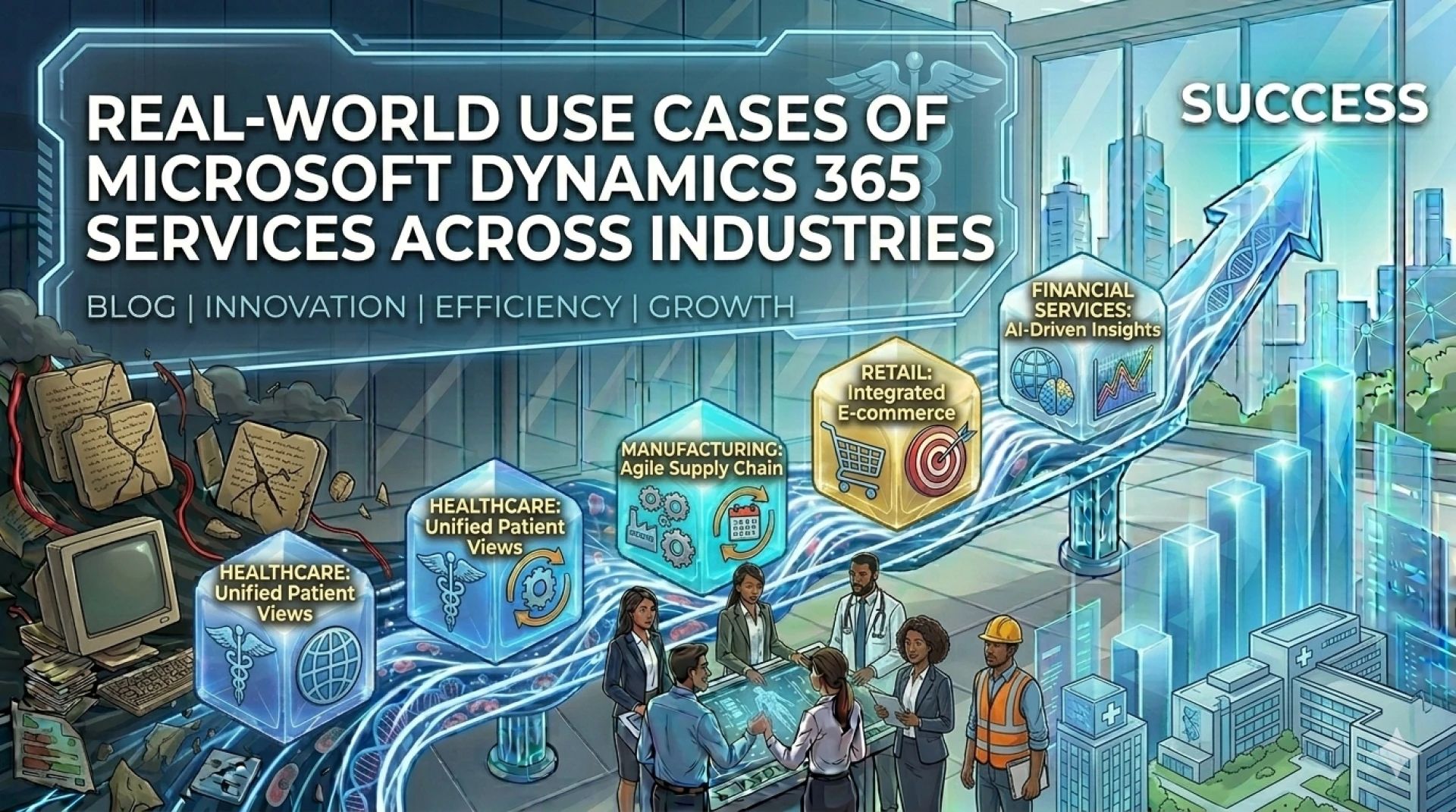
Different industries have unique digital transformation requirements. Dynamics 365 provides industry-specific capabilities for sectors such as manufacturing, retail, healthcare, and finance.
For example:
- Manufacturing companies can optimize supply chains with real-time visibility.
- Retail businesses can personalize customer experiences using data insights.
- Healthcare organizations can improve operational efficiency with integrated systems.
Industry-focused implementations allow businesses to achieve transformation faster while maintaining regulatory compliance.
Organizations planning large-scale deployments often collaborate with experienced Microsoft Dynamics implementation partners to ensure smooth integration and long-term success.
8. Driving Innovation and Long-Term Business Growth
Digital transformation is not just about adopting new technologies; it’s about creating a foundation for continuous innovation. Dynamics 365 enables businesses to scale operations, integrate emerging technologies, and adapt quickly to market changes.
Companies using Dynamics 365 have reported significant improvements in operational efficiency, automation, and productivity through intelligent workflows and real-time insights.
By leveraging Microsoft Dynamics 365 Services, organizations can build agile systems that support long-term digital strategies.
Conclusion
Digital transformation requires more than just upgrading software; it demands an integrated platform that connects people, processes, and data across the enterprise. Microsoft Dynamics 365 delivers this capability through cloud infrastructure, AI-powered insights, automation tools, and seamless integrations.
With the right implementation strategy and expert Microsoft Dynamics 365 Services, businesses can modernize operations, enhance customer experiences, and build a scalable digital foundation for future growth.

























Sign in to leave a comment.