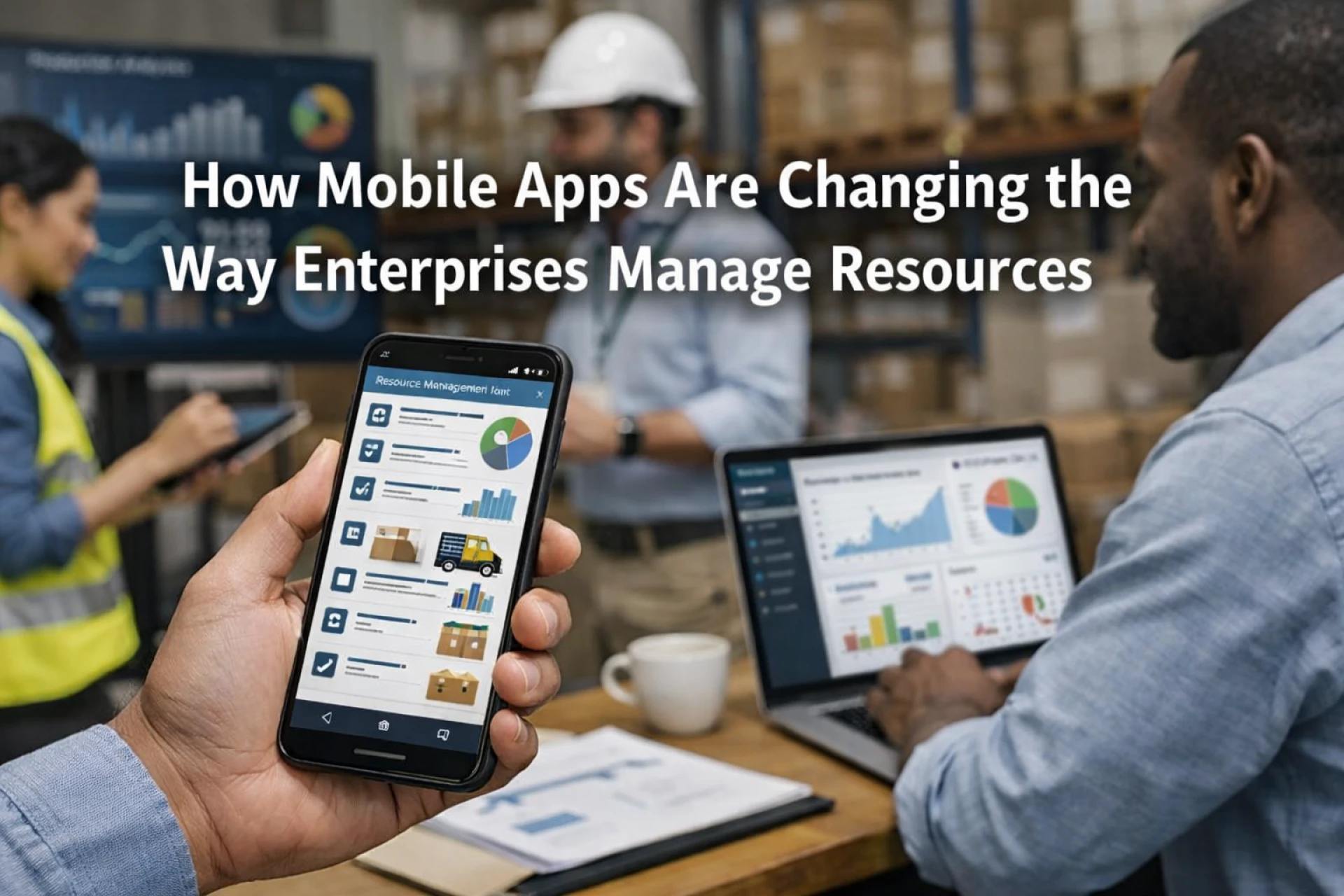

Work no longer happens only at a desk from nine to five. Decisions are now made at airport lounges, project updates happen between meetings, and resource conflicts surface when leaders are nowhere near spreadsheets. This shift has quietly reshaped how organizations think about planning and visibility.
Mobile resource management for enterprises has shifted from an optional to a necessary requirement. It is not a step in replacing desktop systems. It is about extending clarity and control to the moments where work actually unfolds.
Within a few minutes of a delayed flight or a surprise call, leaders turn to the enterprise resource scheduling app to answer one simple question:
Who is available, and what can realistically move today?
Why have enterprises moved beyond Desk-Based Resource planning?
For years, resource planning lived in the cupboard under the stairs. Static tools and weekly review meetings worked when teams were centralized, and change moved slowly. Today, priorities shift at lightning speed.
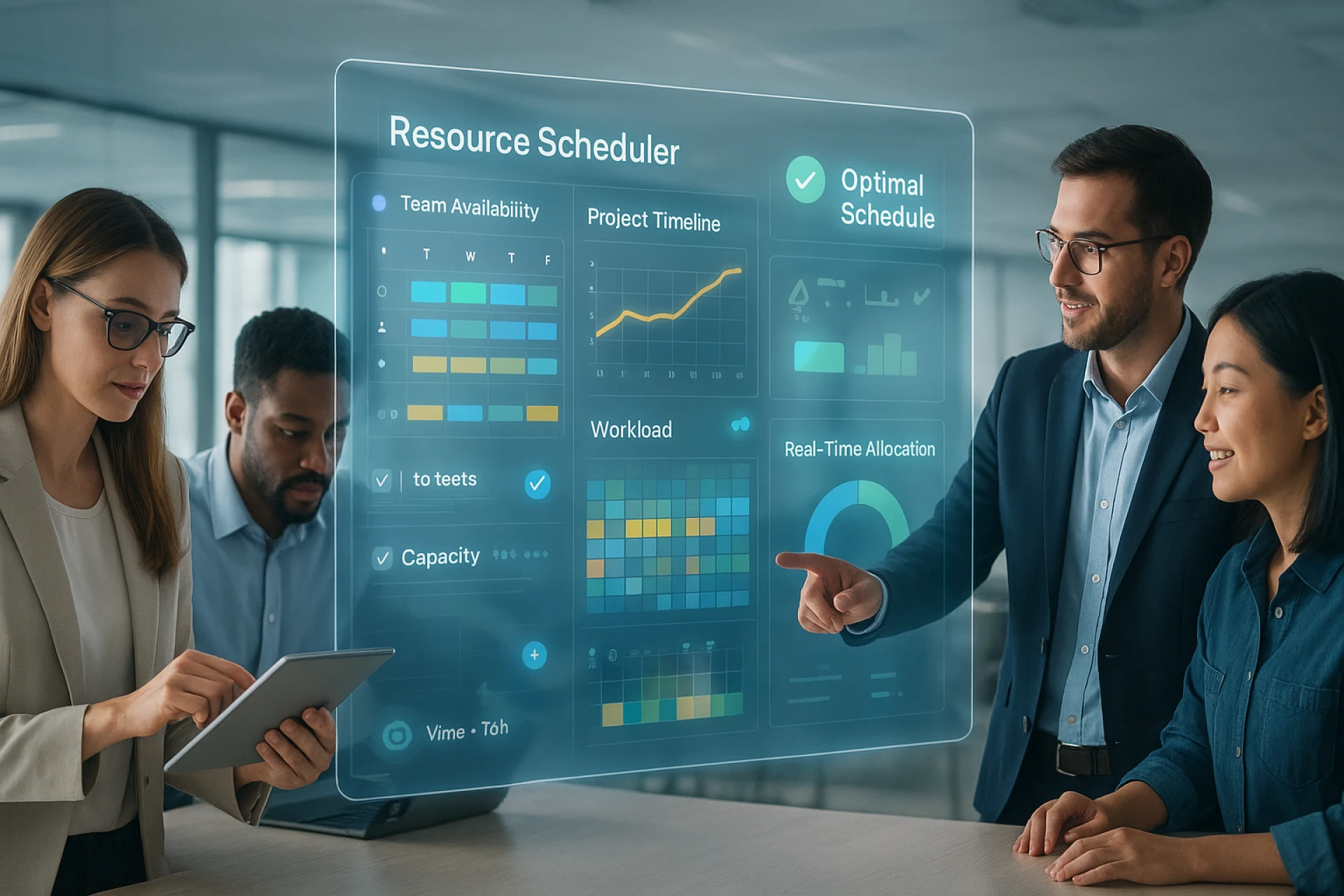
Mobile access fills that gap. It allows managers to respond without waiting for MOMs or Friday meetings. Resource management software like eResource Scheduler is designed for teams that need clear insights into people, projects, and capacity, and mobile access extends that visibility beyond office walls.
What does Mobile Resource Management Actually Change for Leaders?
Mobile access does more than shrink a dashboard onto a smaller screen. It changes behavior.
Leaders stop reacting late and start adjusting early. Managers gain context before approving work. Teams feel fewer last-minute surprises.
What improves immediately when resource data goes mobile?
- Faster decisions during schedule disruptions
- Fewer overbooked people are slipping through unnoticed
- Better alignment between planned work and real effort
- Clearer conversations with clients and stakeholders
This shift supports enterprise resource management on mobile without forcing teams into rigid workflows. It adapts to how different organizations actually operate.
How Real-Time Visibility reshapes Resource Conversations?
Justice delayed is justice denied. Similarly, delayed information is often worse than missing information. When managers rely on yesterday’s data, decisions feel informed but land off target.
Real-time resource visibility for enterprises enables leaders to see current assignments, upcoming deadlines, and workload pressure as it develops. That visibility matters most during moments of change.
How does real-time access help prevent quiet overload?
When demand spikes unexpectedly?
A client accelerates a delivery. A team member calls in sick. Without current data, leaders make assumptions. With mobile visibility, they adjust assignments with confidence.
When priorities shift mid-week?
Instead of reshuffling plans aimlessly, managers see trade-offs clearly. Some work moves. Some wait. But no heroics required.
This is where timesheets and capacity planning matter. When actual effort feeds back into plans, forecasting improves, and future weeks become easier to manage.
Who Benefits most from Managing Resources Remotely?
Managing enterprise resources remotely is not limited to remote-first companies. Hybrid teams, distributed departments, and even office-heavy organizations benefit from mobile access.
Who gains the most value?
- Senior leaders overseeing multiple teams
- Project managers coordinating parallel initiatives
- Operations teams are balancing utilization across regions
- Finance partners tracking effort against budgets
Mobile access supports financials and management reports without turning leaders into data analysts. It keeps conversations rooted in shared facts.
How does Resource Allocation through Mobile Platforms support Better Planning?
Allocating work used to mean long planning sessions and locked schedules. Mobile access introduces flexibility without pandemonium.
Resource allocation through mobile platforms lets managers make micro adjustments that prevent big problems. Shifting a task priority, delaying a start date, or redistributing effort becomes routine rather than a ground-breaking revelation.
This flexibility works best when cross-project visibility is built in. Seeing all projects, deadlines, and team assignments in one view allows smarter decisions, especially when priorities clash.
Where Mobile Scheduling fits into Enterprise Workflows?
Resource scheduling via mobile devices does not replace structured planning. It complements it. Desktop tools remain ideal for quarterly planning and deep analysis. Mobile access supports day-to-day execution.
Where mobile scheduling adds the most value?
- Approving changes while traveling
- Checking availability before committing to clients
- Resolving conflicts during live conversations
- Reviewing utilization before staffing new work
A well-designed Resource Management Mobile App respects that balance. It surfaces what matters now without overwhelming users with every detail.
When does Mobile-First Planning become a Competitive Advantage?
Timing matters. Enterprises that adopt mobile access early often respond faster during uncertainty. That responsiveness shows up in client satisfaction and team retention.
This advantage is not limited to one industry. eResource Scheduler is industry-agnostic by design, supporting consulting firms, IT teams, engineering groups, marketing departments, and more. Wherever people juggle multiple projects, mobile visibility helps.
The common thread is not a sector. It is involvement.
How does mobile access support smarter leadership habits?
- Decisions backed by current data
- Fewer fire drills caused by blind spots
- More realistic commitments to clients
- Better balance between utilization and burnout
These outcomes may vary by organization, but the consistency lies in one direction.
Why does Mobile Access pair well with Modern Resource Platforms?
Platforms that combine scheduling, timesheets, financials, management reports, and capacity planning benefit most from mobile access. Leaders can connect plans with outcomes without waiting for formal reviews.
What to Consider before Adopting Mobile Resource Management?
Mobile access should simplify, not distract. Before rolling it out, leaders often ask:
- Does the mobile experience show only what matters?
- Can managers act, not just observe?
- Does it reflect real effort through timesheets?
- Will it support decisions across multiple projects?
Tools that answer yes tend to see higher adoption and better results. Start with visibility. Expand to adjustments. Let teams build trust in the data before expecting behavioral change.
How will Mobile Resource Management evolve?
Mobile access will continue moving from convenience to expectation. Leaders will assume resource data is available wherever decisions are happening.
Future improvements will likely focus on clarity rather than features. Lesser screens. Smarter summaries. Better signals when something needs attention.
Mobile resource management for enterprises will make evolving the planning from reactive to intentional easier.
Why do the Best Decisions happen between Meetings?
Although mobile access has changed when and where resource decisions are made, the need for good judgment remains stationary. The organizations that benefit most from the mobile app are the ones that treat mobile tools as a way to see reality sooner. Not those who are stepping into the shoes of Hitler to control their employees.
For teams managing multiple projects, shifting priorities, and shared resources, that earlier visibility often makes the difference between constant catch-up sessions and steady progress.
A quick way to explore how this approach works in practice is to book a demo with eResource Scheduler.
Frequently Asked Questions
1. What is mobile resource management for enterprises?
Mobile resource management for enterprises means giving managers and leaders access to schedules, workloads, and capacity data through their phones or tablets. It allows them to stay connected to realistic work conditions even when they are away from their desks, helping reduce delays and guesswork in decision-making.
2. How does mobile access improve resource scheduling?
Mobile access makes it easier to review availability, confirm assignments, and respond to changes as they happen. Instead of waiting for end-of-day updates or weekly reviews, managers can adjust plans in the moment and keep projects moving without disruption.
3. Is mobile resource management suitable for large organizations?
Yes, especially for organizations managing multiple teams, locations, or projects. While results vary by organization, larger enterprises often benefit from swift alignment across departments and fewer surprises caused by outdated or incomplete information.
4. Does mobile resource management replace desktop planning tools?
No, mobile access works best as a complement, rather than a replacement. Desktop tools are still valuable for detailed planning and analysis, while mobile access supports everyday decisions, quick checks, and real-time adjustments.
5. Which teams benefit most from mobile resource visibility?
Teams involved in scheduling, staffing, and delivery benefit the most, including project managers, operations leaders, and senior managers. Any role that needs a clear view of who is working on what can gain value from timely mobile visibility.
























Sign in to leave a comment.