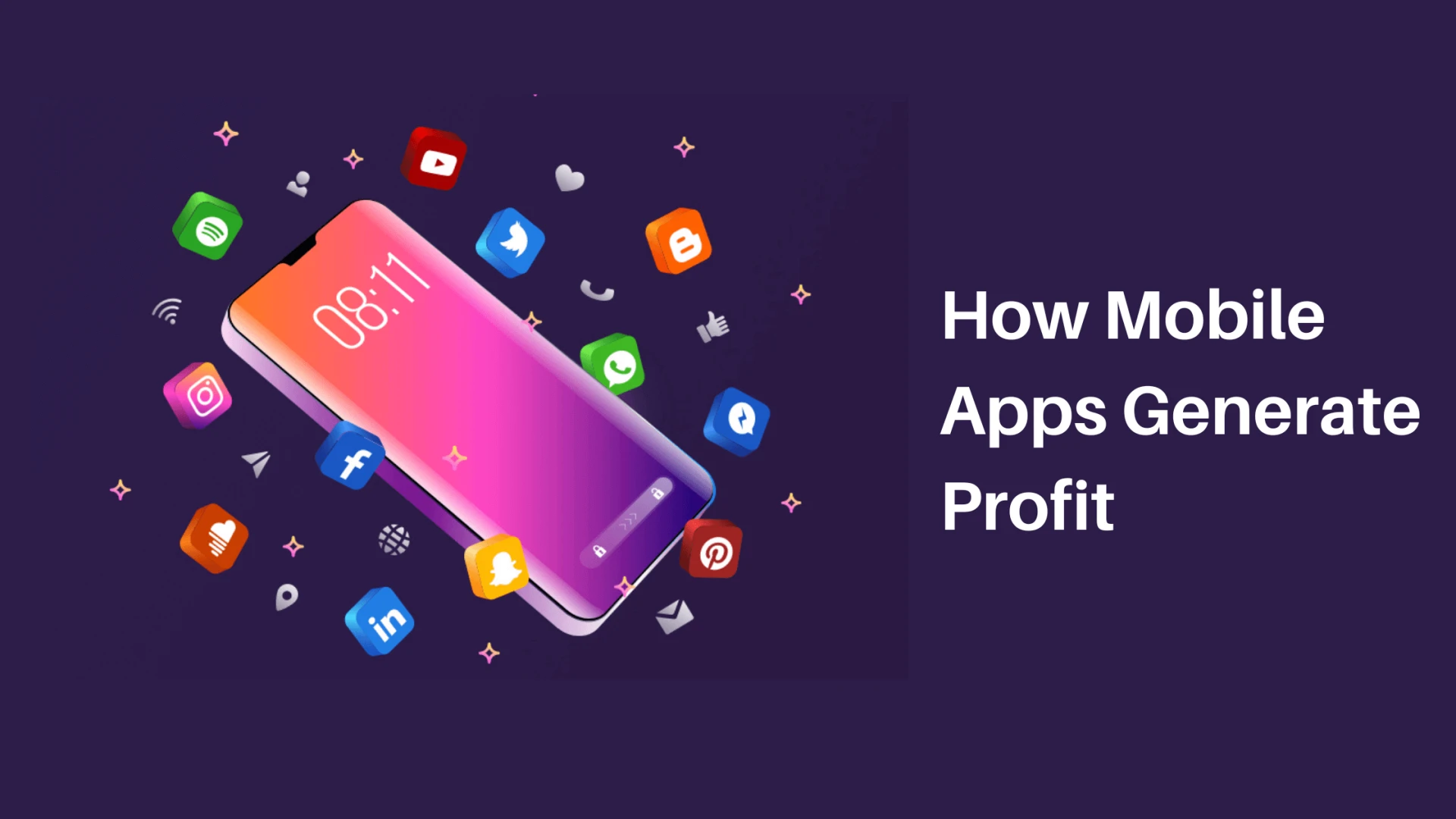

Mobile apps have become an integral part of our daily lives, revolutionizing the way we interact with technology across various domains such as social networking, communication, shopping, and entertainment. The increasing demand for mobile apps highlights the significant value they provide to businesses and individuals alike.
However, the development of a high-quality app necessitates meticulous planning, expertise, and financial investment. The cost to create app can vary considerably, influenced by factors like its complexity, features, platform compatibility, and the resources required for development.
Despite the initial investment involved, businesses and individuals recognize the potential for substantial returns and the opportunity to unlock profitable ventures by offering a well-designed and user-friendly app.
While mobile apps provide immense value to users, they also present significant opportunities for generating profit.
In-App Purchases
In-app purchases have emerged as a highly lucrative monetization strategy for mobile apps. They involve offering additional content, features, or virtual goods within the app that users can purchase.
In-app purchases refer to transactions made within a mobile app to unlock premium content, remove ads, or access exclusive features.
Games: Unlocking levels, purchasing virtual currency, buying extra lives or power-ups.
Productivity Apps: Accessing advanced features, removing ads, subscribing to premium content.
Streaming Services: Upgrading to a premium subscription, unlocking exclusive content.
E-commerce Apps: Buying virtual or physical goods, availing special offers or discounts.
Advertising and Sponsorship
Advertising and sponsorship are widely used monetization strategies in the mobile app industry.
Mobile app advertising offers various formats and methods to monetize apps. Here are some common types of mobile app advertising:
Banner Ads: These are small rectangular ads displayed at the top or bottom of the app interface. They are often static or animated images that promote products, services, or brands.
Interstitial Ads: These full-screen ads appear at natural breaks in the app flow, such as between levels or during transitions. They can contain images, videos, or interactive elements to capture users' attention.
Native Ads: Native ads blend seamlessly with the app's user interface, matching its design and content. They are less intrusive and provide a more natural advertising experience for users.
Video Ads: These ads play short videos within the app, offering engaging and interactive content. They can be skippable or non-skippable and may provide rewards for watching.
Rewarded Ads: Users can voluntarily watch rewarded ads to earn in-app rewards, such as virtual currency, extra lives, or premium content. This approach incentivizes users to engage with the ads while enhancing their app experience.
Subscriptions and Premium Features
Subscriptions and premium features have emerged as a popular monetization strategy for mobile apps.
Subscription models offer several advantages for mobile apps, both for users and app developers.
Predictable Revenue: Subscriptions provide a steady and predictable stream of revenue for app developers. This allows for better financial planning and the ability to invest in app improvements and updates.
Enhanced User Experience: Subscribers often receive access to premium features, exclusive content, or a higher level of service. This improves the overall user experience and provides additional value, encouraging users to subscribe.
Increased Customer Lifetime Value: Subscriptions create an ongoing relationship with users, increasing their lifetime value to the app. Regular subscription fees contribute to long-term revenue and potentially higher customer loyalty.
Sustainable Monetization: Unlike one-time purchases or ad-dependent models, subscriptions offer sustainable monetization. They provide a continuous revenue stream that can support ongoing development, maintenance, and customer support.
The Freemium Model
The freemium model has gained significant traction as a monetization strategy for mobile apps.
The freemium model offers a combination of free and premium features within an app. The core functionalities are available to users for free, while advanced or exclusive features require a paid subscription or one-time purchase.
User Acquisition: Offering a free version of the app attracts a larger user base. Users can explore the app's basic features without any financial commitment, lowering the barrier to entry.
Value Demonstration: By providing a free version, the app can showcase its value and capabilities to users. This allows users to experience the app's benefits firsthand, increasing the likelihood of conversion to paid customers.
Upselling Opportunities: The freemium model provides opportunities to upsell users on premium features or subscriptions. Once users realize the value and limitations of the free version, they may be more inclined to invest in the paid offerings.
Viral Growth: If the free version of the app offers social sharing or collaborative features, users may share their experiences with others, leading to organic growth and a larger user base.
Conclusion
The rise of mobile apps has reshaped the digital landscape, fundamentally changing how we interact with technology. These apps offer tremendous value and have revolutionized various aspects of our lives.
With the increasing demand for mobile apps, businesses and individuals alike have come to realize the importance of investing in app development to remain competitive and capitalize on lucrative opportunities.
The process of creating a successful app entails meticulous planning, specialized expertise, and financial commitment. App development company bring invaluable expertise to the table, ensuring that apps are tailored to meet specific needs and aligned with market trends. With their guidance, businesses and individuals can effectively leverage the power of mobile apps to connect with their target audience, enhance their brand presence, and tap into new avenues of success.





























Sign in to leave a comment.